Carels Buttler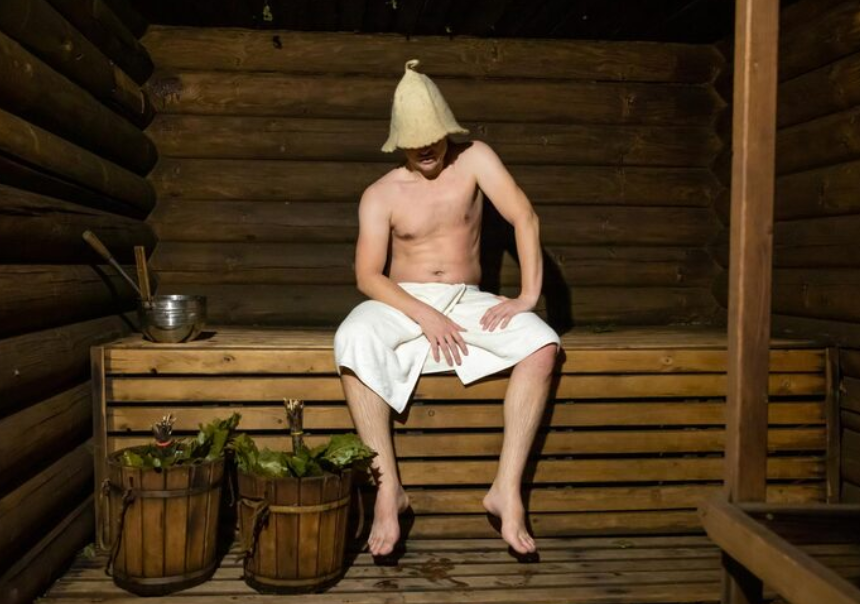
The idea of sweating in a hot room to feel better is older than almost any wellness trend you could name, and nearly every corner of the world has its own version. From Finnish forests to Turkish bathhouses, the sauna and its cousins have carried the same simple promise across cultures for thousands of years. Here is a tour of how different places have used heat, and how the tradition found a home in New England.
Finland: The Heart of Sauna Culture
No country is tied to the sauna like Finland. The word itself is Finnish, and the practice goes back thousands of years. For Finns, the sauna has been a place to wash, warm up, heal, and gather, woven so deeply into daily life that there are said to be more saunas than cars in the country.
The Finnish tradition centers on loyly, the steam that rises when water hits hot rocks. A session often ends with a plunge into a cold lake or a roll in the snow, the hot and cold pairing that has spread far beyond Finland. Above all, the sauna is treated as a calm, almost sacred space, a place to slow down and be present.
Russia & the Banya
Russia has its own strong tradition in the banya. Like the Finnish sauna, the banya is a hot steam room, but it comes with its own customs. The most famous is the venik, a bundle of leafy birch or oak branches used to gently swat the skin, which is said to boost circulation and open the pores.
The banya is a social institution as much as a bath. People gather there to talk, relax, and cycle between the heat and a cold pool, much as they do in Finland. It has held its place in Russian life for centuries.
Turkey & the Hammam
The Turkish hammam takes a different path. Rooted in bathing cultures that stretch back to Roman times, the hammam is built around warm, humid rooms and a ritual of washing and scrubbing. Guests move through rooms of rising heat, then receive a firm scrub and a foam wash from an attendant.
The hammam is less about intense dry heat and more about steam, cleansing, and care. It has long been a center of social life across Turkey and the wider region, a place to gather and be looked after.
Japan & the Bathing Tradition
Japan built its heat culture around water more than air. The onsen, fed by natural hot springs, and the sento, the neighborhood public bath, are pillars of Japanese life. Soaking in hot water is the main event, a daily ritual of rest and cleanliness rather than a sweat session.
Japan also has steam bath traditions, and in recent years the sauna itself has surged in popularity there, with a devoted following that has given the practice a fresh spin. The throughline is the same, which is heat as a path to calm and renewal.
The Baltic & Nordic Neighbors
Finland gets the spotlight, but its neighbors hold sauna traditions history just as old. Estonia, Latvia, and Lithuania all have deep smoke sauna customs, and the smoke saunas of southern Estonia are recognized for their cultural importance. In these traditions, the sauna is tied to healing, folk ritual, and the rhythm of rural life.
Sweden and Norway carry their own bastu and badstue customs, often paired with a plunge into cold water or snow, just as in Finland. Across the whole northern region, the pattern repeats. A hot room, a cold shock, and a gathering of family and neighbors, practiced through long winters for generations. The sauna was never one country’s alone. It grew up across the cold north, with each culture adding its own turn on the same warm idea.
Indigenous Sweat Lodges
Long before saunas arrived from Europe, many Indigenous peoples of North America practiced their own forms of ceremonial sweating. The sweat lodge is a sacred spiritual tradition, held for purification, prayer, and healing, and it is treated with deep respect within the cultures that carry it.
It is worth drawing a clear line here. The sweat lodge is a religious ceremony, not a recreational amenity, and it stands apart from the sauna as a wellness practice. It deserves mention in any honest history of heat, alongside the respect its meaning demands.
The Tradition Comes to New England
Heat traditions crossed the ocean with the people who held them. Nordic immigrants brought the sauna to North America, and it took strong root in cold-climate regions, the Upper Midwest most of all. Over time, the practice spread outward, including into the Greater New England area, where the climate and the growing interest in recovery made it a natural fit.
Today the sauna is finding new life in New England through the mobile model, which brings the tradition to people rather than the other way around. In Connecticut, The Toasty Gnome carries the old idea forward with a handcrafted wood-fired sauna and optional cold plunge delivered across the Plainville area. It is a modern take on a practice that Finns would recognize, right down to the steam and the cold plunge that follows.
One Old Idea, Many Forms
For all their differences, these traditions share a core. Heat brings people together, calms the mind, and gives the body a reset, across languages, centuries, and continents. The tools change, the customs vary, but the promise holds steady. That shared thread is part of why the sauna keeps finding new homes. An idea that has comforted people through so many winters and cultures does not fade, it simply travels.
From a Finnish lakeside to a Connecticut backyard, the sauna and its many cousins keep offering the same thing they always have, which is a warm place to slow down and feel human again.