Muhammad Mehmood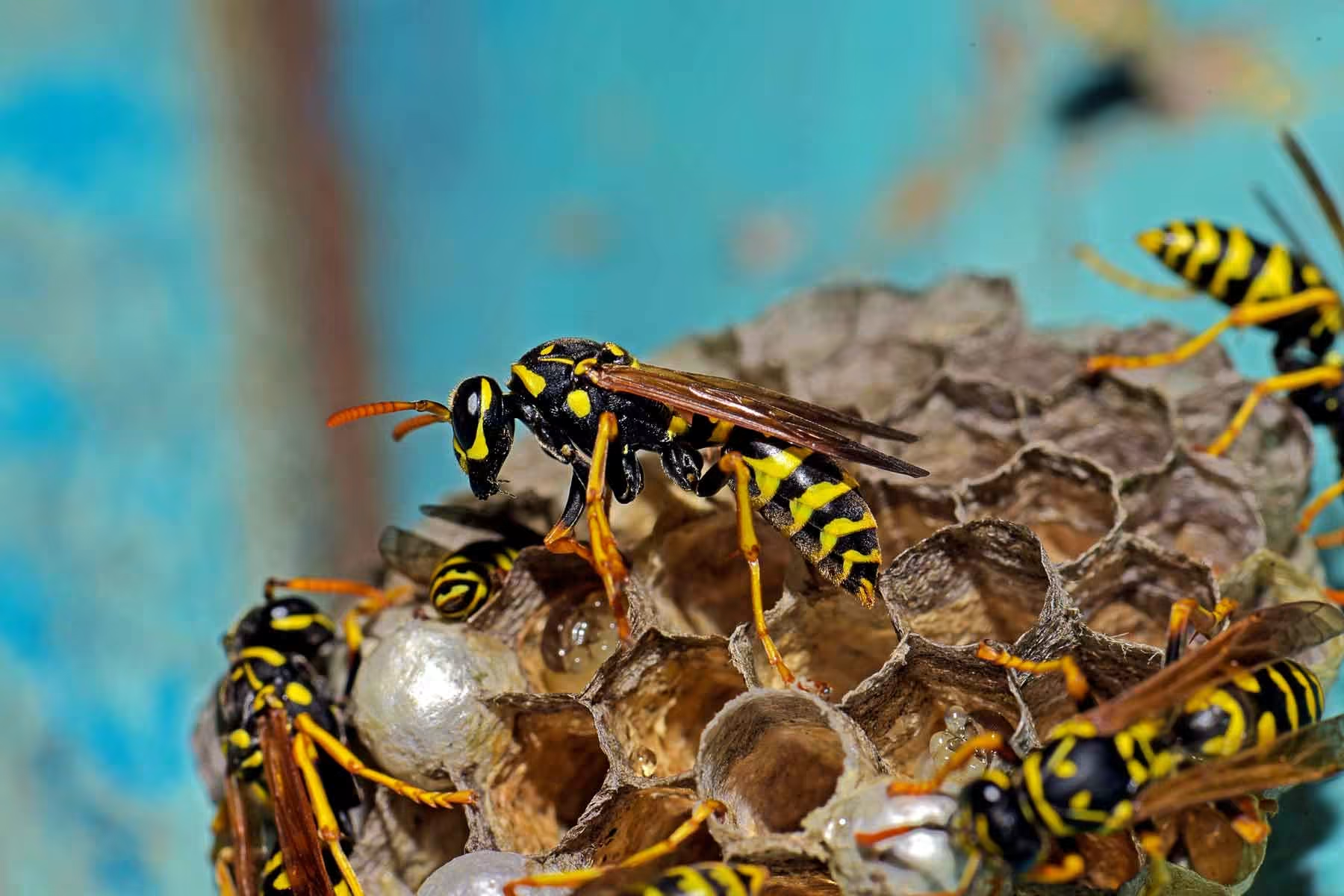
Hornets are among the most aggressive stinging insects homeowners encounter. Unlike many other wasps, they become highly defensive when their nests are disturbed, making do-it-yourself removal a risky decision. If you suspect a nest on your property, learning when to contact a hornet exterminator can help you understand the safest removal methods, recognize warning signs, and avoid unnecessary exposure to painful stings.
Hornet infestations are more than a seasonal nuisance. Large colonies often establish nests near rooflines, sheds, trees, garages, and wall voids. As colonies grow throughout the warmer months, the likelihood of accidental encounters increases. Understanding hornet behavior and proper control techniques is the first step toward protecting your family, pets, and property.
Understanding Hornets and Why They Are a Serious Concern
Hornets belong to the wasp family and play an important role in nature by feeding on insects that damage plants. However, they become a problem when they build nests close to homes or areas with frequent human activity.
Unlike honeybees, hornets can sting multiple times without losing their stinger. They also release alarm pheromones that signal nearby hornets to defend the colony. This means a single disturbed hornet can quickly lead to multiple attacking insects.
Common places where hornets build nests include:
- Roof eaves
- Tree branches
- Attics
- Wall cavities
- Decks and porches
- Outdoor storage buildings
Identifying these locations early allows homeowners to respond before colonies reach their peak size.
How a Professional Hornet Exterminator Handles an Infestation
Professional extermination is about much more than spraying insecticide. Effective hornet removal requires inspection, species identification, risk assessment, and complete nest elimination.
A typical process includes:
- Inspect the property to locate all active nests.
- Identify the hornet species and nesting behavior.
- Evaluate risks to occupants and surrounding structures.
- Apply specialized treatments during periods of lower hornet activity.
- Remove or neutralize the nest when appropriate.
- Recommend preventive measures to reduce future infestations.
This systematic approach minimizes risks while improving long-term effectiveness.
Why Timing Matters
Hornets are generally less active during the early morning or late evening when temperatures are cooler. Experienced professionals often schedule treatments during these periods because most workers are inside the nest, increasing treatment success while reducing the chance of aggressive swarming.
Step-by-Step Guide to Responding to a Hornet Nest
If you discover a hornet nest, following the right steps can significantly reduce danger.
Stay Calm and Keep Your Distance
Avoid throwing objects, spraying water, or attempting to knock down the nest. Even minor disturbances may trigger defensive behavior.
Restrict Access
Keep children, pets, and visitors away from the area. If the nest is near a walkway or entrance, temporarily use an alternate route whenever possible.
Observe from a Safe Location
Watch the flight path of the hornets from a distance. This information helps determine the nest’s primary entrance and activity level without putting yourself at risk.
Avoid DIY Removal of Large Nests
Small, newly formed nests may appear manageable, but mature colonies can contain hundreds of hornets. Household sprays often fail to reach the center of larger nests, leaving surviving insects highly agitated.
Arrange Professional Inspection
An inspection determines whether the nest is active, how extensive the infestation is, and which removal method is safest for the situation.
Common Mistakes Homeowners Make
Many hornet-related injuries occur because people underestimate how defensive these insects can become.
One common mistake is attempting removal during the middle of the day. This is when many hornets are actively flying, increasing the chance of multiple encounters.
Another mistake involves using inadequate protective clothing. Ordinary jackets, gloves, or hoodies do not provide reliable protection against repeated stings.
Some homeowners also seal visible nest openings before treatment. While this may seem logical, trapped hornets often search for alternative exits, sometimes finding their way into living spaces.
Ignoring early signs is another frequent problem. A small nest discovered in spring can become a large colony by late summer, making removal significantly more difficult.
Finally, many people assume that once a visible nest disappears, the problem has ended. In reality, hidden nests inside walls or attics may remain active if they were never properly treated.
Expert Recommendations for Preventing Future Hornet Problems
Although no property is completely immune to hornets, several preventive measures reduce the likelihood of nesting.
Regular property inspections are one of the most effective strategies. Checking rooflines, fences, sheds, and trees every few weeks during spring can help detect new nests before they become established.
Maintaining the landscape also makes a difference. Trim overgrown vegetation near buildings and remove abandoned structures that provide sheltered nesting locations.
Properly seal cracks around soffits, vents, siding, and utility penetrations. Small openings may allow hornets to establish concealed nests inside wall voids.
Keep outdoor trash containers tightly closed, especially during late summer when hornets actively search for food sources.
If outdoor meals are common, promptly clean spilled beverages and food residue that may attract foraging insects.
Real-World Example
Consider a homeowner who notices a few large flying insects entering a gap beneath the roof overhang every afternoon. Instead of investigating up close, the homeowner monitors activity from a safe distance and contacts a professional. During inspection, a hidden nest containing several hundred hornets is discovered inside the wall cavity. Because the infestation is identified before anyone attempts repairs, the nest is removed safely without exposing family members to aggressive swarming.
Situations like this demonstrate why observation and professional assessment often produce safer outcomes than immediate DIY action.
Conclusion
Hornets are valuable insects in natural ecosystems, but nests located near homes require careful attention due to the risk of aggressive defensive behavior. Understanding how hornets build colonies, recognizing early warning signs, and avoiding common removal mistakes can greatly improve safety. When a nest poses a threat to people or pets, professional assessment and proper treatment offer the most reliable path to eliminating the infestation while reducing the chance of future problems. Taking prompt, informed action helps keep your property safe throughout the active hornet season.