Muhammad Mehmood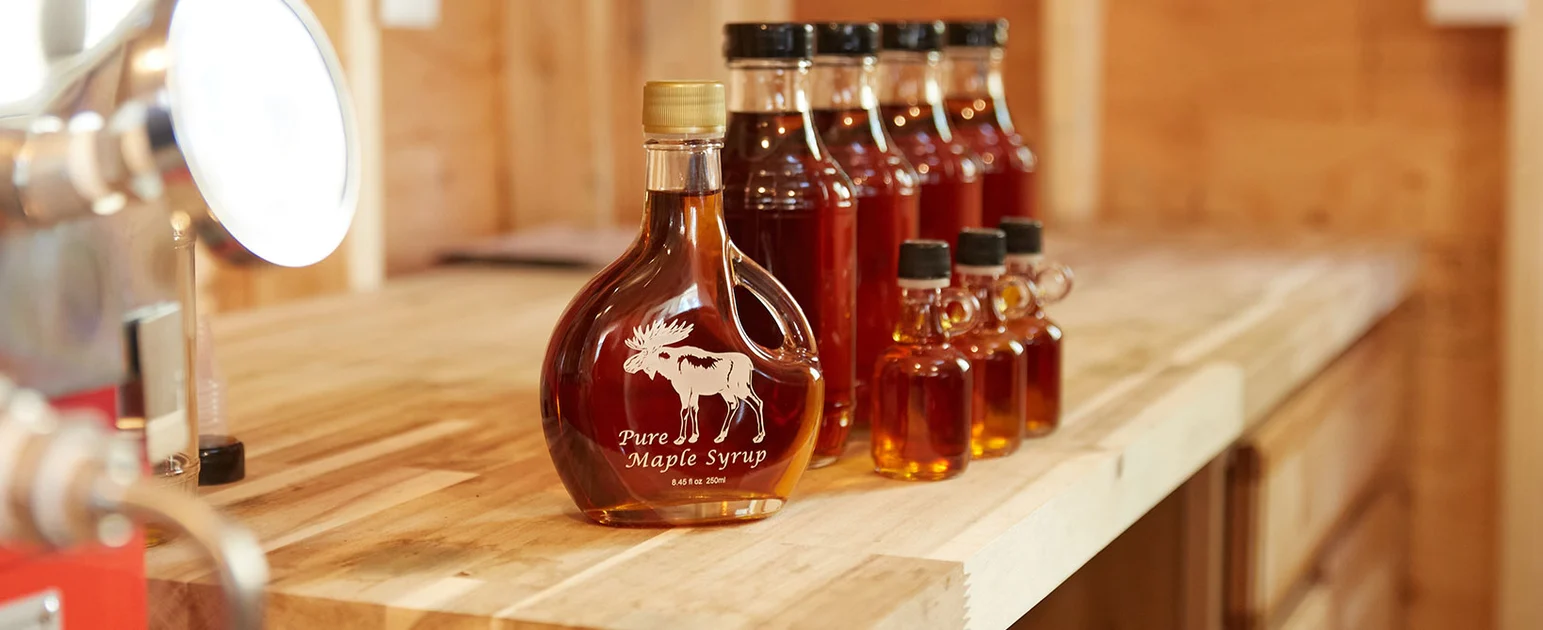
When shopping for natural sweeteners, it is easy to become overwhelmed by labels that promise quality and authenticity. Many products claim to be natural, yet they often contain added sugars, artificial flavors, or blended syrups. Understanding what makes pure maple syrup different helps consumers make informed choices while enjoying a genuinely natural product.
Pure maple syrup has been valued for generations because it comes directly from the sap of maple trees with minimal processing. Unlike heavily refined sweeteners, it retains naturally occurring minerals and a rich flavor that cannot be replicated by artificial alternatives. Whether you are preparing breakfast, baking desserts, or creating savory dishes, knowing how to select and use authentic maple syrup makes a noticeable difference.
This guide explains what pure maple syrup is, how it is produced, practical ways to use it, common mistakes to avoid, and expert recommendations for getting the best results in your kitchen.
What Is Pure Maple Syrup?
Pure maple syrup is made by collecting sap from maple trees, primarily sugar maples, during late winter and early spring. The sap is then boiled until enough water evaporates, leaving behind the naturally sweet syrup.
It contains no artificial colors, preservatives, or added sweeteners when labeled as pure. Because approximately 40 gallons of sap are needed to produce one gallon of syrup, every bottle represents a significant amount of time, care, and natural resources.
The syrup develops its distinctive flavor from the tree species, weather conditions during harvest, and the careful boiling process. These natural factors create subtle differences from one harvest season to another.
Understanding Maple Syrup Grades
Modern maple syrup grading focuses on color and flavor rather than quality. Every grade represents excellent quality but serves different culinary purposes.
- Golden Color, Delicate Taste: Ideal for pancakes, yogurt, and fresh fruit.
- Amber Color, Rich Taste: A versatile option for everyday cooking and baking.
- Dark Color, Robust Taste: Excellent for marinades, barbecue sauces, and recipes where maple flavor should stand out.
- Very Dark Color, Strong Taste: Often preferred by experienced cooks for bold recipes.
Choosing the right grade depends on personal preference rather than product quality.
A Step-by-Step Guide to Choosing and Using Pure Maple Syrup
Selecting authentic maple syrup becomes easier when you know what to look for.
Step 1: Read the Ingredient List
The ingredient list should contain only one ingredient: pure maple syrup. If corn syrup, cane sugar, flavorings, or preservatives appear, it is not pure maple syrup.
Step 2: Examine the Color
Color provides clues about flavor intensity. Lighter syrups tend to taste milder, while darker varieties deliver a stronger maple flavor.
Step 3: Store It Properly
Unopened bottles can remain in a cool pantry. Once opened, refrigerate the syrup to maintain freshness and reduce the risk of mold growth.
Step 4: Use It Beyond Breakfast
Many people think maple syrup belongs only on pancakes, but it works well in numerous recipes.
For example:
- Glaze roasted carrots or sweet potatoes.
- Sweeten homemade salad dressings.
- Add depth to oatmeal.
- Replace refined sugar in muffins.
- Mix into coffee or tea.
- Balance acidity in tomato-based sauces.
These applications demonstrate its versatility across both sweet and savory dishes.
Step 5: Adjust Measurements When Baking
When replacing granulated sugar with maple syrup, recipes often require slightly less liquid because syrup contributes additional moisture. Small adjustments help maintain the intended texture.
Common Mistakes When Buying or Using Maple Syrup
Many consumers unintentionally purchase imitation syrup because packaging can be misleading.
One common mistake is assuming every bottle labeled “maple-flavored” contains real maple syrup. In reality, many products use corn syrup combined with artificial flavoring.
Another mistake involves storing opened syrup at room temperature. While unopened bottles store well in the pantry, opened containers should remain refrigerated.
Some home cooks also use the same maple syrup for every recipe. Delicate syrup works beautifully with breakfast foods, while darker syrup creates more balanced marinades and baked goods.
Overheating maple syrup is another issue. Although it tolerates cooking, prolonged high heat may reduce some of its subtle flavor characteristics. Adding it toward the end of cooking often preserves its distinctive taste.
Finally, consumers sometimes judge syrup quality solely by color. Darker syrup is not lower quality. It simply offers a stronger flavor profile suited for different recipes.
Practical Tips from Experienced Cooks
Professional chefs and experienced home cooks often rely on a few simple practices that improve results.
Choose recipes where maple flavor complements existing ingredients instead of overpowering them. Roasted vegetables, nuts, cinnamon, apples, and pecans naturally pair well with maple syrup.
Use maple syrup to balance acidic ingredients. A small amount can mellow the sharpness of mustard, vinegar, or citrus in homemade dressings without making them overly sweet.
Measure syrup using lightly oiled measuring cups. The syrup slides out easily, reducing waste and making cleanup much faster.
Experiment gradually when replacing sugar. Every recipe reacts differently, so testing small batches helps achieve the preferred sweetness and texture.
For meal preparation, consider portioning maple syrup into small containers. This approach prevents repeated exposure to air and moisture each time the main bottle is opened.
If purchasing locally produced maple syrup, expect natural variations between harvest seasons. Slight differences in flavor are normal and often appreciated by people who regularly enjoy authentic maple products.
Another practical tip involves pairing maple syrup with whole foods rather than processed snacks. Fresh fruit, Greek yogurt, oatmeal, and roasted vegetables all benefit from a modest drizzle without overwhelming their natural flavors.
Conclusion
Pure maple syrup offers far more than simple sweetness. Its natural production process, distinctive flavor, and versatility make it a valuable ingredient for everyday cooking and baking. Understanding how it is produced, selecting authentic products, storing it correctly, and using the appropriate grade for each recipe allows you to enjoy its full potential.
Rather than viewing maple syrup as only a pancake topping, consider incorporating it into dressings, marinades, baked goods, and savory meals. With thoughtful use and careful selection, pure maple syrup becomes a flavorful, naturally sourced ingredient that enhances a wide variety of dishes while maintaining its authentic character.

 Awais Tufail
 Tyres Flow