Muhammad Mehmood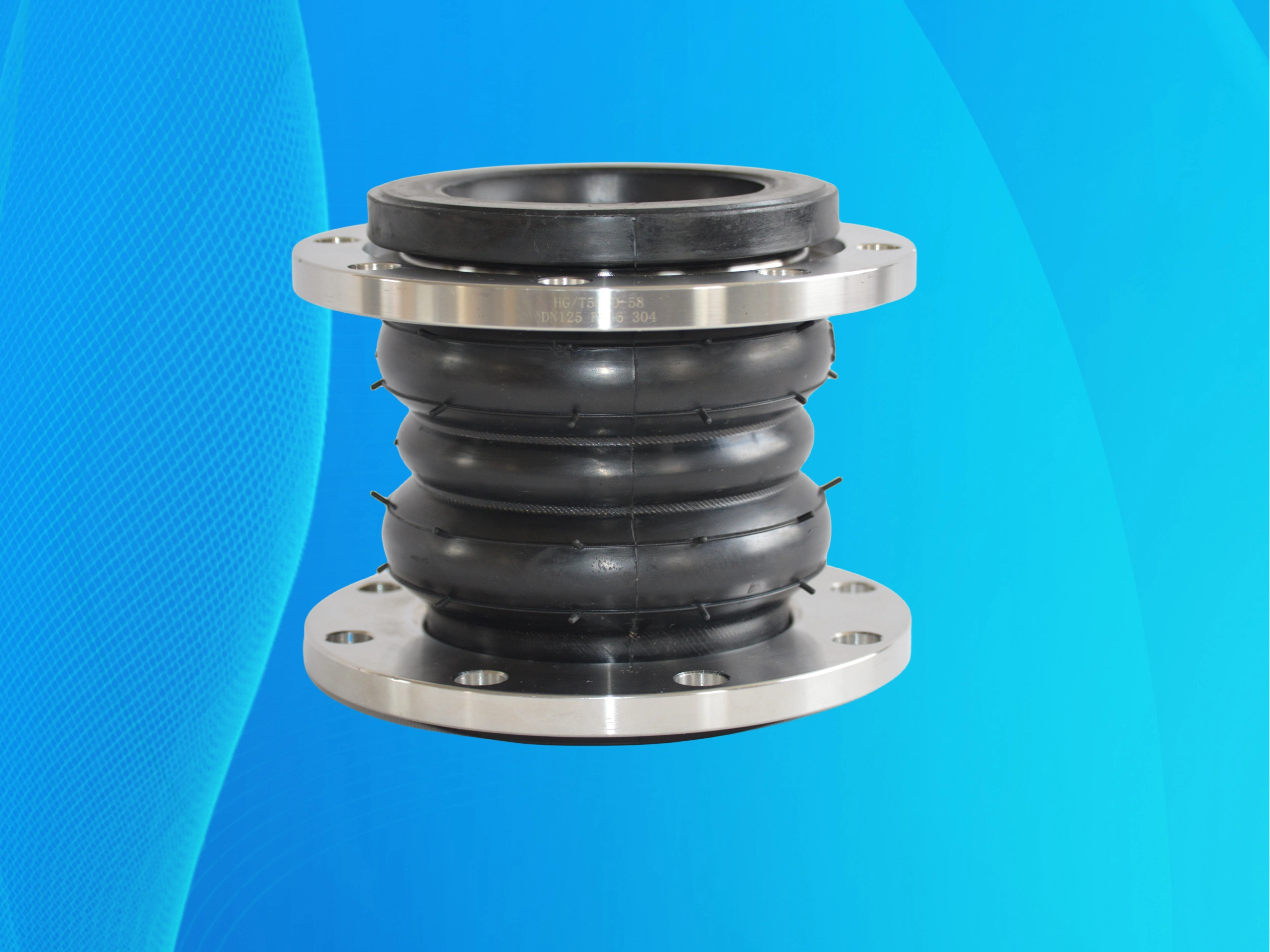
Industrial piping systems, bridges, power plants, and manufacturing facilities rely on expansion joints to absorb movement, reduce vibration, and protect equipment from thermal stress. Choosing the right expansion joint manufacturers is an important step because the quality of these components directly affects system reliability, maintenance costs, and operational safety. Understanding what differentiates one manufacturer from another helps engineers, procurement teams, and facility managers make informed decisions.
Expansion joints are often overlooked until problems arise. Premature failures, leaks, or excessive wear usually result from poor material selection, incorrect design, or manufacturing inconsistencies rather than the component itself. Investing time in evaluating manufacturers before placing an order can significantly reduce downtime and improve the lifespan of critical infrastructure.
Selecting a manufacturer should involve more than comparing prices. Experience, engineering capabilities, quality assurance, customization options, and after-sales support all contribute to long-term performance. This guide explains what to look for and how to identify manufacturers that consistently deliver dependable products.
Understanding the Role of Expansion Joint Manufacturers
Expansion joints are flexible connectors designed to accommodate thermal expansion, contraction, vibration, pressure fluctuations, and structural movement. Manufacturers produce different types to meet the demands of various industries, including:
- Metal expansion joints
- Fabric expansion joints
- Rubber expansion joints
- PTFE expansion joints
- Universal and custom-designed assemblies
Each type serves a unique purpose depending on operating temperature, pressure, chemical exposure, and movement requirements.
Experienced manufacturers do much more than fabricate products. They typically provide engineering consultation, design verification, material recommendations, prototype development, testing, and technical support throughout the project lifecycle.
For example, a power generation facility operating at high temperatures requires expansion joints made from heat-resistant alloys capable of handling continuous thermal cycling. Meanwhile, a wastewater treatment plant may prioritize corrosion-resistant materials that withstand aggressive chemicals.
A Step-by-Step Guide to Selecting the Right Manufacturer
Choosing the right supplier becomes easier when following a structured evaluation process.
Define Your Application Requirements
Begin by documenting all operating conditions, including:
- Maximum operating temperature
- Pressure ratings
- Required movement range
- Pipe diameter
- Media being transported
- Environmental conditions
- Installation constraints
Providing detailed specifications allows manufacturers to recommend the most suitable solution instead of relying on assumptions.
Evaluate Engineering Expertise
Reliable manufacturers employ engineers who understand real-world operating conditions. They analyze movement calculations, stress distribution, fatigue life, and installation challenges before recommending a design.
Ask whether they provide design validation or performance calculations. Engineering support often prevents costly mistakes during installation.
Review Manufacturing Quality
Consistent manufacturing processes produce more reliable expansion joints.
Look for manufacturers that maintain strict quality control throughout production, including:
- Material traceability
- Dimensional inspections
- Weld quality verification
- Pressure testing
- Leak testing
- Final product inspections
A manufacturer with comprehensive quality procedures is more likely to deliver consistent results across multiple orders.
Assess Customization Capabilities
Many industrial applications require customized solutions rather than standard catalog products.
An experienced manufacturer should accommodate requirements such as:
- Non-standard dimensions
- Special alloys
- Protective liners
- External covers
- High-cycle fatigue designs
- Extreme pressure ratings
Customization demonstrates technical capability and manufacturing flexibility.
Consider Technical Support
Support should continue after production.
Manufacturers that assist with installation guidance, maintenance recommendations, and troubleshooting often become valuable long-term partners rather than simple suppliers.
Factors That Separate Industry-Leading Manufacturers
Material Selection Expertise
Different environments demand different materials.
For instance:
- Stainless steel performs well in many industrial environments.
- Inconel alloys handle elevated temperatures.
- Rubber compounds absorb vibration effectively.
- PTFE resists aggressive chemicals.
A knowledgeable manufacturer recommends materials based on operating conditions instead of offering a one-size-fits-all solution.
Testing and Validation
Performance testing provides confidence before installation.
Common testing procedures include pressure testing, cycle testing, dimensional verification, and non-destructive examinations. These evaluations help verify that products meet project requirements before shipment.
Industry Experience
Manufacturers serving industries such as petrochemicals, power generation, marine applications, pharmaceutical production, and water treatment gain valuable practical knowledge over time.
Their experience often translates into better recommendations for challenging applications.
Common Mistakes When Choosing Expansion Joint Manufacturers
One frequent mistake is selecting suppliers based solely on the lowest price. Lower manufacturing costs may reflect reduced material quality, minimal testing, or limited engineering support.
Another common issue involves providing incomplete project specifications. Without accurate operating data, manufacturers cannot recommend the appropriate design, increasing the likelihood of premature failure.
Ignoring installation guidance also creates unnecessary problems. Even the highest-quality expansion joint may fail if installed under excessive torsion, misalignment, or unsupported loading conditions.
Some buyers also overlook maintenance planning. Expansion joints should be inspected periodically for signs of fatigue, corrosion, cracking, or excessive movement. Working with manufacturers that provide maintenance recommendations helps maximize service life.
Finally, failing to verify production capacity can delay large industrial projects. Manufacturers should demonstrate their ability to meet required delivery schedules while maintaining consistent quality.
Practical Tips for Achieving Better Long-Term Results
Start supplier evaluations early in the project planning process. Early collaboration gives manufacturers enough time to recommend optimized designs and identify potential installation concerns.
Request technical documentation before placing large orders. Product specifications, testing reports, and engineering drawings help confirm compatibility with your application.
Maintain clear communication throughout production. Sharing updated project information prevents misunderstandings that may affect manufacturing accuracy.
When possible, standardize expansion joint specifications across multiple facilities. Standardization simplifies maintenance, spare parts inventory, and future procurement.
Schedule regular inspections after installation. Monitoring expansion joints during routine maintenance allows small issues to be corrected before they become major failures.
Keep detailed maintenance records. Tracking inspection dates, operating conditions, and replacement history helps identify recurring issues and improve future purchasing decisions.
Finally, build long-term relationships with dependable manufacturers. Consistent collaboration often results in faster technical support, improved product recommendations, and more efficient project execution over time.
Conclusion
Expansion joints play a vital role in protecting industrial systems from thermal movement, vibration, and mechanical stress. Choosing the right manufacturer requires careful evaluation of engineering expertise, manufacturing quality, material knowledge, testing capabilities, and technical support rather than focusing solely on cost.
By clearly defining project requirements, reviewing manufacturing capabilities, and partnering with experienced suppliers, organizations can improve equipment reliability, reduce maintenance expenses, and extend the service life of critical infrastructure. A thoughtful selection process today often prevents costly operational issues for years to come.


 Awais Tufail