Muhammad Mehmood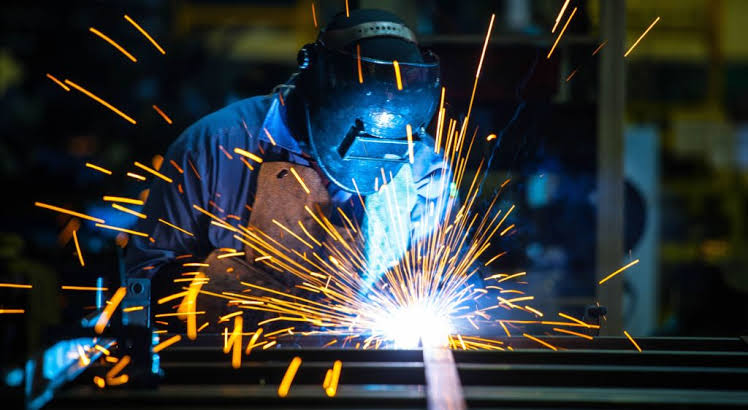
Welding plays a vital role in construction, manufacturing, automotive repair, and countless industrial applications. Whether someone is repairing damaged equipment, fabricating custom metal structures, or strengthening existing components, choosing the right approach can make a significant difference in durability and safety. Understanding the basics of welding services helps readers make informed decisions and better understand what goes into a successful project.
Metal fabrication projects often appear simple from the outside, but every weld must withstand stress, weather, vibration, and years of use. Poor workmanship can lead to structural failures, expensive repairs, and safety hazards. That is why understanding welding methods, quality standards, and best practices benefits anyone planning a residential, commercial, or industrial project.
Professional welding combines technical expertise with careful planning. Skilled welders evaluate material type, thickness, environmental conditions, and the intended use before selecting the appropriate welding process. This attention to detail ensures reliable, long-lasting results that meet both functional and safety requirements.
Understanding Welding Services
Welding services involve joining two or more pieces of metal through heat, pressure, or both. The objective is to create a bond that is as strong as—or even stronger than—the surrounding material.
Different projects require different welding methods. Some of the most common include:
- MIG (Metal Inert Gas) welding for fast, efficient production work.
- TIG (Tungsten Inert Gas) welding for precision applications requiring clean, attractive welds.
- Stick welding for outdoor construction and heavy-duty repairs.
- Flux-cored welding for thicker materials and high-productivity industrial jobs.
Material selection is equally important. Steel, stainless steel, aluminum, and cast iron each require different preparation techniques, filler materials, and heat settings. Experienced welders understand these differences and adjust their methods accordingly.
For example, repairing a cracked steel support beam requires a completely different approach than fabricating lightweight aluminum railings. Using the wrong process could weaken the joint instead of strengthening it.
A Step-by-Step Approach to Successful Welding Projects
A structured workflow helps produce consistent, high-quality welds while minimizing costly mistakes.
Define the Project Requirements
Every successful welding project starts with clear objectives. Determine:
- Material type
- Material thickness
- Expected load capacity
- Indoor or outdoor use
- Required appearance
- Applicable building or industry standards
Clear planning reduces misunderstandings and improves project efficiency.
Prepare the Metal Properly
Surface preparation directly affects weld quality.
Rust, paint, grease, moisture, and dirt should be removed before welding begins. Even minor contamination can create weak welds, porosity, or cracking.
For example, stainless steel requires dedicated cleaning tools to prevent contamination from ordinary steel particles.
Choose the Appropriate Welding Process
Selecting the correct process depends on several factors, including:
- Joint configuration
- Material composition
- Position of the weld
- Production speed
- Environmental conditions
Outdoor construction sites often rely on stick welding because it performs well in windy environments. Precision fabrication shops may prefer TIG welding due to its superior finish and control.
Perform the Weld Carefully
During welding, maintaining consistent travel speed, arc length, and heat input is essential.
Experienced welders constantly monitor puddle formation and penetration while adjusting their technique to produce uniform weld beads.
Consistency throughout the weld improves both strength and appearance.
Inspect and Test the Finished Weld
Quality inspection should never be skipped.
Visual inspections check for defects such as:
- Undercutting
- Cracking
- Porosity
- Incomplete fusion
- Excessive spatter
Critical structural projects may also require ultrasonic testing, magnetic particle inspection, or radiographic testing to verify internal weld integrity.
Common Welding Challenges and How to Avoid Them
Even experienced professionals encounter challenges during welding. Understanding common issues helps improve project outcomes.
One frequent problem is insufficient penetration. This occurs when heat fails to fully fuse the joint, creating weak connections that may fail under stress.
Another issue is excessive heat input. While more heat may seem beneficial, overheating can warp metal, weaken surrounding material, and increase distortion.
Improper joint preparation also creates problems. Gaps that are too wide or surfaces that remain contaminated often produce poor-quality welds.
Environmental conditions present additional challenges. Wind can disrupt shielding gas during MIG or TIG welding, while moisture increases the risk of hydrogen-induced cracking.
Using incompatible filler materials represents another common mistake. Matching filler metals with the base material helps ensure proper strength and corrosion resistance.
Finally, rushing through inspection frequently leads to overlooked defects that become expensive problems later. Taking time to verify weld quality protects both the project and its long-term performance.
Expert Tips for Better Welding Results
Successful welding involves more than technical skill. Careful planning and attention to detail consistently improve outcomes.
Always prioritize safety by wearing appropriate protective equipment, including welding helmets with proper shade levels, fire-resistant clothing, gloves, and respiratory protection when necessary.
Invest time in fit-up before striking the first arc. Well-aligned components reduce distortion and improve overall weld consistency.
Control heat carefully throughout the process. Tack welds, balanced welding sequences, and controlled cooling all help minimize warping on larger fabrications.
Maintain equipment regularly. Clean contact tips, replace worn consumables, inspect cables, and verify gas flow rates before beginning work.
Document procedures for repeat projects. Recording successful welding parameters—including voltage, amperage, travel speed, and filler selection—helps maintain consistency across future jobs.
When working on structural components, always consider applicable building codes or engineering specifications. Compliance ensures both safety and long-term reliability.
Finally, continuous practice remains one of the most valuable investments. Welding is a skill that improves through repetition, careful observation, and learning from previous projects.
Real-World Example
Consider a commercial warehouse requiring custom steel storage platforms. The project demands strong welds capable of supporting heavy equipment while meeting local structural standards.
A qualified welding team first reviews engineering drawings, prepares each steel component, selects the appropriate welding process, performs controlled welds, and conducts thorough inspections before installation.
This systematic approach minimizes future maintenance, improves worker safety, and extends the service life of the finished structure.
Conclusion
Quality welding is built on proper planning, material knowledge, skilled execution, and thorough inspection. Every stage of the process contributes to the strength, durability, and safety of the finished product. Whether repairing equipment, fabricating custom components, or constructing structural steel, following proven welding practices leads to more reliable and long-lasting results. By understanding welding methods, avoiding common mistakes, and applying practical techniques, both project owners and industry professionals can achieve dependable outcomes that stand the test of time.