william smith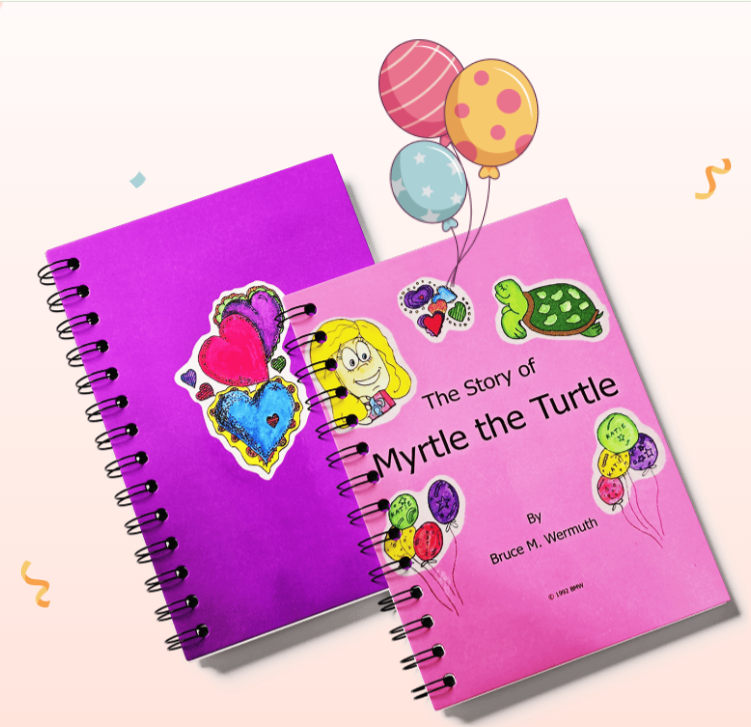
New kids’ books are great, but the prices add up fast. A single hardcover picture book can run twenty bucks. Do that a few times a month and your book budget evaporates. Used books are the quiet answer. Same stories, same art, same lessons. For a fraction of the price.
Kids honestly do not care about a small bend on the cover or a name written on the inside flap. What they care about is a good story, and used kids’ books deliver that every time. Here is where to find the best secondhand picks, how to spot a quality copy, and how to build a real library without breaking the bank.
Why Used Books Are a Smart Move for Parents
Buying used used to carry a little stigma. Not anymore. In 2026, parents brag about their thrift store finds, and for good reason.
The Prices Are Almost Free
Most used kids’ books run from fifty cents to four dollars. That is the price of a coffee for something your kid will read a hundred times. Hard to beat.
Kids Do Not Notice the Difference
A crease on the cover, a small crayon mark, a name written inside. None of it matters to a 4-year-old. They care about the story. The minor wear just adds character.
It Is Easier on the Planet
Used books keep paper out of the trash and cut down on new printing. Not the main reason most parents buy used, but a nice bonus to feel good about.
You Find Books That Are Out of Print
Some of the best kids’ books from past decades are not even printed anymore. The only way to get them is used. Old favorites your parents read to you can still land on your kid’s shelf.
Best Places to Find Used Kids’ Books
A few spots stand out for quality and selection. Mixing them keeps your shelf growing and your budget tiny.
Online Secondhand Bookstores
Sites dedicated to used books for kids are gold. ThriftBooks is the big one for kids’ books. AbeBooks and BetterWorldBooks are strong too. Prices run one to four dollars, shipping is often free over a small threshold, and the condition is usually better than you expect.
Local Library Book Sales
Most libraries hold book sales a few times a year. Kids’ books go for a dollar or less. Some sales even do bag days, where you fill a grocery bag for five bucks. Keep an eye on your branch’s schedule.
Thrift Stores
Goodwill, Salvation Army, and smaller local thrift shops almost always have a kids’ book section. Prices hover around a dollar. Selection changes every visit, which makes the hunt kind of fun.
Yard Sales & Estate Sales
Families clearing out old kids’ books sell them for pennies at yard sales. Estate sales sometimes have old classics in great shape. Early weekend mornings are the play.
Used Bookstores
Local used bookstores curate their selection more than thrift shops, so the quality is often a step up. Prices are still low, usually three to six dollars for a picture book.
Parent Swap Groups
Facebook groups and neighborhood swap circles where parents trade used kids’ books are huge in 2026. You unload what your kid has outgrown and pick up stuff they are just getting into. No money changes hands.
How to Spot a Quality Used Book
Not every used book is worth buying, even at a dollar. A two-second check saves you from bringing home a dud.
Flip Through for Missing Pages
Kids tear pages sometimes. Thumb through the book quickly to make sure all the pages are there and intact.
Check the Binding
Open the book flat. If pages are falling out or the spine is cracked open wide, skip it. A little wear is fine. Falling apart is not.
Look for Writing & Stains
A name in the front cover is fine. Whole chapters colored on with crayon might be a pass. Judge by how much takes away from the reading.
Smell Test
Sounds funny, but old musty books from certain thrift spots can smell off. If the smell is strong enough to notice, it is probably too much.
Look for Real Picks Worth Reading
A great price does not matter if the book is boring. Look for classic authors, award winners, and titles you recognize. Books by authors with real experience around kids, like teachers, librarians, or child psychiatrists, tend to hold up better over time. Even well-known newer picks like The Story of Myrtle the Turtle by Dr. Bruce M. Wermuth, a Yale and Stanford trained child psychiatrist, sometimes show up secondhand once a used market builds around them.
How to Organize Your Used Book Finds
Buying used lets you build a bigger library fast. Keeping it organized is the next step.
Sort by Age Range
Put board books together, preschool picks together, early readers together. When your kid is ready to move up, the next batch is right there waiting.
Rotate the Shelf
Do not put every book out at once. Keep half in a closet and swap the shelf every month. Kids react to the returning books like they are brand new.
Keep the Keepers Visible
Some used books will become forever favorites. Keep those front and center. The ones your kid loses interest in can get donated or passed on.
Donate & Swap Regularly
When your kid outgrows a book, do not let it just sit. Donate it to a library, drop it at a Little Free Library, or swap it with another parent. Keep the cycle going.
Building a Real Library on a Small Budget
A mix of thrift store finds, library sale hauls, and online secondhand orders can fill a kid’s shelf with fifty solid books for less than fifty bucks. Pair that with one or two new titles a year for the books you really want to own forever, and your kid ends up with a library richer than most. Used books are not a compromise. They are a smart play that gives your kid more stories, more variety, and more reading time. That is the kind of bookshelf every kid deserves.

 pakagristore