Dupuytren’s Wand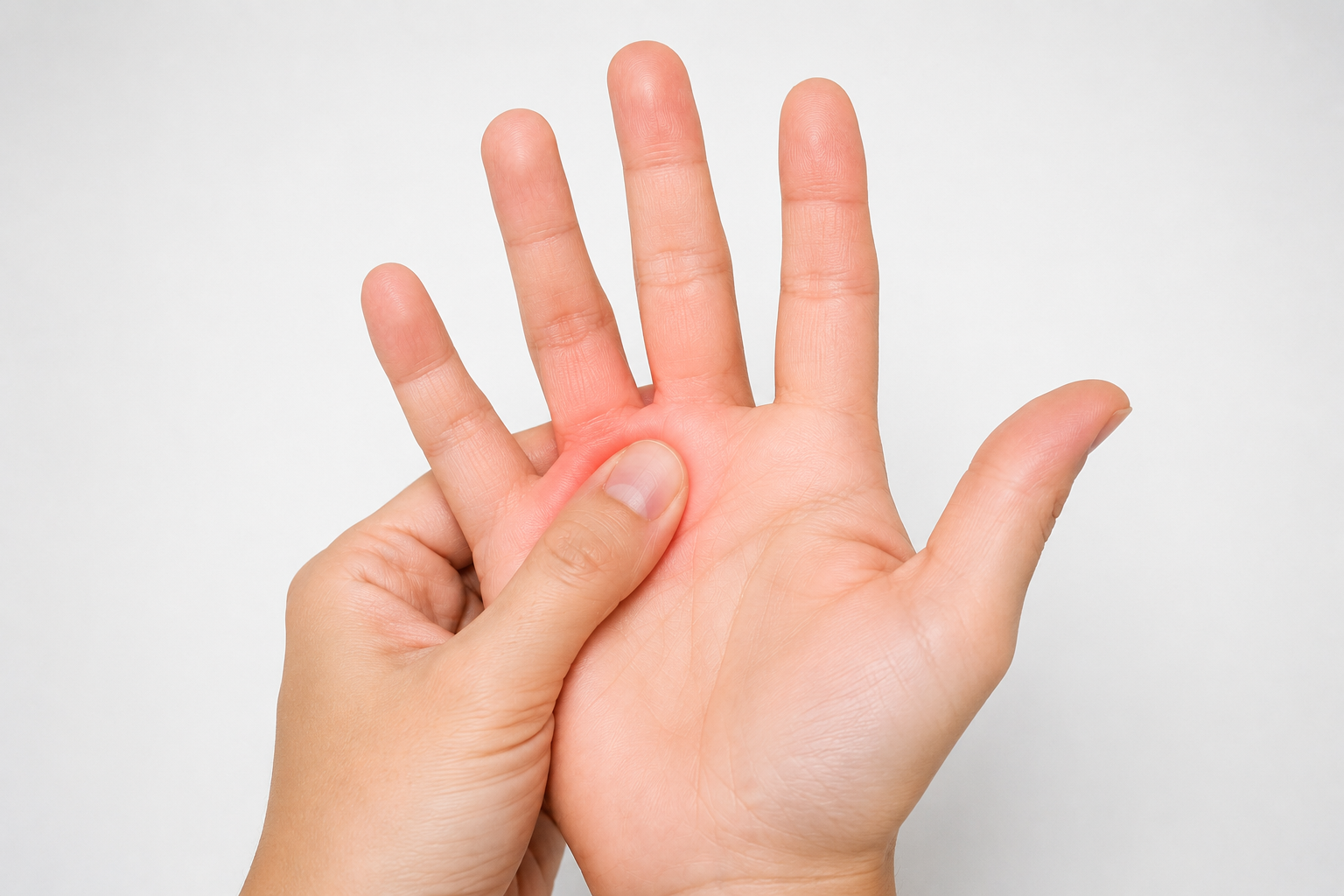
Trigger finger is a common hand condition that can make simple tasks like gripping, holding, or typing uncomfortable. It happens when the tendon in the finger becomes inflamed, causing stiffness, pain, and a locking or snapping sensation. The good news is that trigger finger treatment at home can be highly effective, especially in the early stages, helping you avoid invasive procedures.
What is Trigger Finger?
Trigger finger occurs when the tendon responsible for finger movement becomes irritated and cannot glide smoothly. This leads to difficulty in bending or straightening the finger. Over time, the condition may worsen if not managed properly, making early care essential.
Why Choose Home Treatment?
Home-based treatments are safe, convenient, and cost-effective. They focus on reducing inflammation, improving flexibility, and restoring natural movement without the risks associated with surgery. With consistent care, many people experience noticeable improvement.
Effective Trigger Finger Treatment at Home
- Rest and Activity Modification
Avoid repetitive hand movements and excessive gripping. Giving your hand proper rest allows the tendon to heal naturally and reduces further irritation. - Splinting the Finger
Using a finger splint helps keep the affected finger in a relaxed position. This reduces strain on the tendon and prevents locking during daily activities or sleep. - Gentle Stretching Exercises
Regular stretching improves flexibility and reduces stiffness. Simple hand-opening and finger-bending exercises can help restore smooth movement over time. - Tendon Gliding Exercises
These exercises are designed to improve the natural motion of the tendon. Practicing them daily can prevent the finger from getting stuck and improve overall hand function. - Heat and Therapy Support
Applying heat therapy can help relax muscles and improve blood circulation. Modern at-home therapy tools are also available to support recovery by reducing inflammation and easing discomfort.
Lifestyle Tips for Faster Recovery
Healthy habits can speed up the healing process. Maintaining an anti-inflammatory diet, staying hydrated, and avoiding strain on your hands are essential steps. Small changes in daily routine can make a big difference in managing symptoms.
When to Take Action
If you notice symptoms like finger stiffness, clicking, or locking, it’s important to start treatment early. Ignoring the condition may lead to worsening symptoms and limited hand mobility.
Conclusion
Trigger finger treatment at home is a practical and effective approach to managing this condition. By combining rest, exercises, dupuytren contracture new treatment and supportive care, you can reduce discomfort and improve hand movement naturally. Consistency is the key simple daily efforts can help you regain control and avoid more serious treatments.


 momin saudi
 paulmark321 saurabh