Deluxe zone 1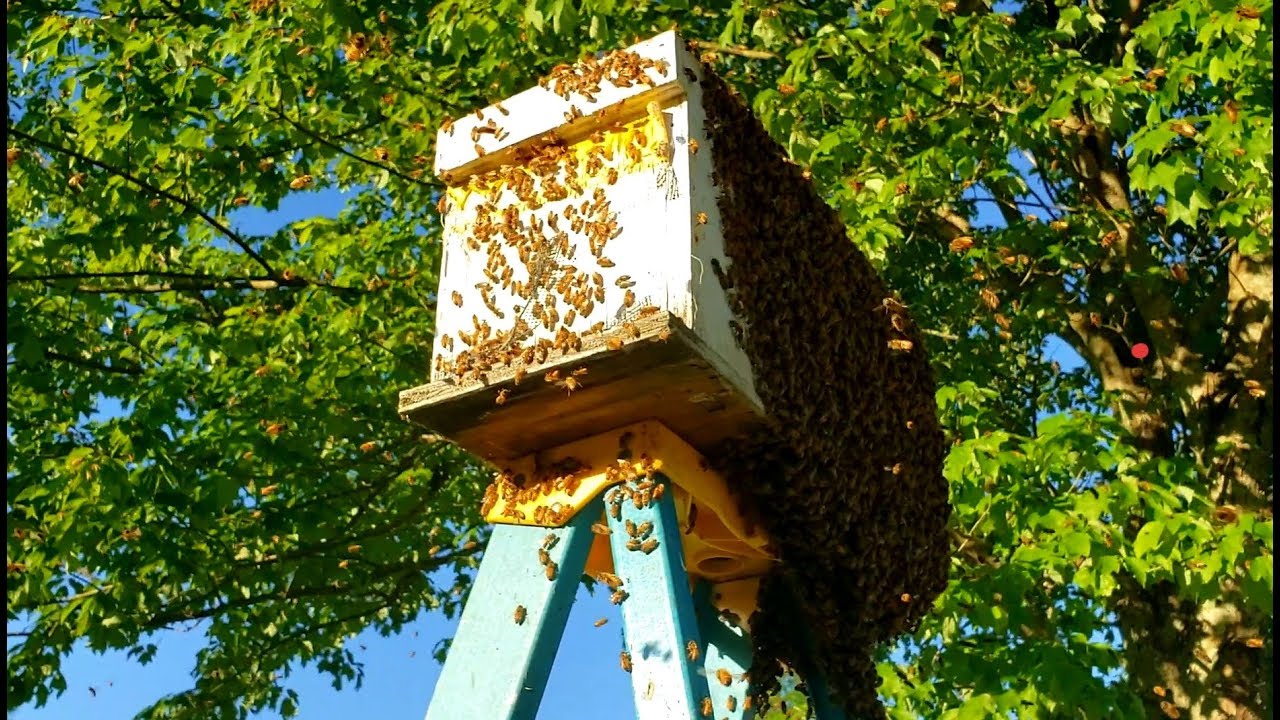
Nature follows predictable cycles that influence flowering plants and the insects depending upon them for survival. Every changing season introduces new blossoms that provide nectar and pollen, encouraging bees to travel across neighborhoods searching for reliable food sources. Understanding these natural patterns helps homeowners appreciate why bee activity increases around residential landscapes during specific months.
Learning how seasonal blooms influence local bee behavior allows families to plan outdoor activities more effectively. Rather than viewing increased activity as a sudden problem, homeowners can recognize predictable environmental changes requiring thoughtful preparation instead of unnecessary concern.
Responsible landscaping balances environmental stewardship with residential comfort. By understanding flowering cycles and insect behavior, property owners can create attractive outdoor spaces supporting wildlife while minimizing unnecessary interactions around patios, playgrounds, and frequently occupied gathering areas.
Understanding Seasonal Blooms Throughout the Year
Every season introduces different flowering plants that influence bee movement across residential neighborhoods. Spring generally marks the beginning of intense pollinator activity because numerous trees, shrubs, and garden flowers produce abundant nectar after winter dormancy. Bees quickly respond by expanding their daily foraging areas while strengthening developing colonies.
Summer extends this activity through continuous flowering gardens filled with ornamental plants, herbs, vegetables, and fruit trees. Warm temperatures encourage prolonged foraging hours, making outdoor insect sightings increasingly common around homes featuring colorful landscaping. Consequently, homeowners hosting outdoor gatherings may observe greater bee activity during sunny afternoons.
Winter usually brings significant reductions in visible bee activity across most residential areas. Fewer flowers bloom during colder conditions, encouraging colonies to conserve energy while remaining inside protected nesting locations. Nevertheless, warmer climates occasionally support year-round flowering plants capable of attracting limited pollinator activity even during cooler months.
Recognizing these predictable environmental cycles allows homeowners to anticipate changing insect behavior instead of reacting unexpectedly. Understanding natural flowering patterns encourages thoughtful landscape planning while reducing unnecessary conflicts between beneficial pollinators and residential living spaces.
Residential Gardens and Seasonal Blooms Influence Bee Behavior
Well-designed gardens offer tremendous environmental value because they provide reliable nutrition supporting healthy pollinator populations throughout changing seasons. Native flowering plants especially contribute to balanced ecosystems by supplying nectar sources naturally adapted to regional climates and local wildlife.
However, garden placement significantly influences residential bee activity. Flower beds positioned directly beside patios, swimming pools, outdoor kitchens, or children’s play areas naturally increase opportunities for close encounters during everyday family activities. Increasing the distance between flowering zones and recreational spaces often creates noticeable improvements without reducing environmental benefits.
Fruit trees also deserve careful consideration because blossoms attract numerous pollinating insects during flowering periods. Once fruit develops, fallen produce occasionally continues attracting insects seeking additional nutrition. Regular harvesting and prompt cleanup beneath trees reduce lingering attraction while preserving healthy landscape conditions.
Water availability further strengthens garden appeal because bees require hydration during warmer weather. Birdbaths, decorative fountains, irrigation leaks, and shallow puddles occasionally provide convenient water sources supporting nearby colonies. Maintaining clean water features while repairing unnecessary leaks reduces excessive insect concentration around frequently occupied spaces.
Despite excellent preventive landscaping, colonies sometimes establish nests within residential structures unexpectedly. When homeowners require professional assistance protecting families while respecting environmental responsibilities, experienced specialists offering bee removal service In Laguna Hills can inspect affected properties, recommend humane relocation solutions whenever appropriate, and provide practical guidance supporting long-term coexistence alongside surrounding flowering landscapes.
Thoughtful garden management demonstrates that beautiful landscapes and responsible residential safety successfully complement one another through informed planning and consistent maintenance.
Managing Homes During Peak Seasonal Blooms
Preparation remains one of the most effective methods for reducing unwanted residential bee encounters during periods of abundant flowering activity. Small preventive habits consistently performed throughout the growing season often produce impressive long-term results without disrupting natural pollination.
Routine property inspections help identify sheltered locations where colonies might establish themselves before becoming larger concerns. Rooflines, attic vents, wall openings, storage sheds, fences, and outdoor furniture deserve regular attention because protected spaces frequently attract nesting insects searching for secure environments.
Outdoor cleanliness also plays an important role during periods of heavy flowering. Sugary beverages, uncovered food, overflowing garbage containers, and compost materials attract insects already visiting nearby gardens. Prompt cleanup reduces additional food sources while maintaining healthier outdoor living spaces.
Landscape maintenance contributes equally to successful prevention. Trimming overgrown vegetation improves visibility while reducing concealed nesting opportunities around residential structures. Removing unnecessary clutter beneath decks or inside storage areas further discourages insects from settling close to occupied locations.
Homeowners should also observe changing bee activity throughout different weeks because weather conditions strongly influence daily movement. Warm sunny afternoons generally increase foraging, while cooler mornings and cloudy conditions often reduce visible activity. Planning outdoor events with these natural patterns in mind minimizes unnecessary interactions while improving overall comfort.
Simple preventive strategies encourage safer residential environments without harming valuable pollinator populations supporting local ecosystems.
Building Long-Term Harmony With Seasonal Blooms
Creating sustainable residential landscapes requires balancing ecological appreciation with practical household management. Homeowners achieve this balance through education, thoughtful planning, and consistent maintenance instead of relying upon reactive solutions after problems develop.
Selecting flowering plants with varying bloom periods distributes pollinator activity across longer seasonal windows rather than concentrating heavy insect presence during short periods. Diverse planting strategies support environmental health while preventing overwhelming activity around individual garden sections.
Community awareness also strengthens neighborhood success because nearby landscaping choices collectively influence pollinator movement throughout residential areas. Neighbors supporting native vegetation, reducing unnecessary pesticide use, and maintaining healthy gardens contribute toward balanced ecosystems benefiting everyone nearby.
Ultimately, seasonal blooms shape residential bee activity through predictable ecological relationships supporting gardens, agriculture, and surrounding wildlife. Families who understand these natural cycles make better landscaping decisions while protecting both household comfort and environmental health. By combining responsible maintenance, careful garden planning, professional assistance when necessary, and respect for beneficial pollinators, homeowners create outdoor environments where beautiful flowering landscapes and safe residential living successfully coexist throughout every changing season.

 magsa fesport
 booksites port