Muhammad Mehmood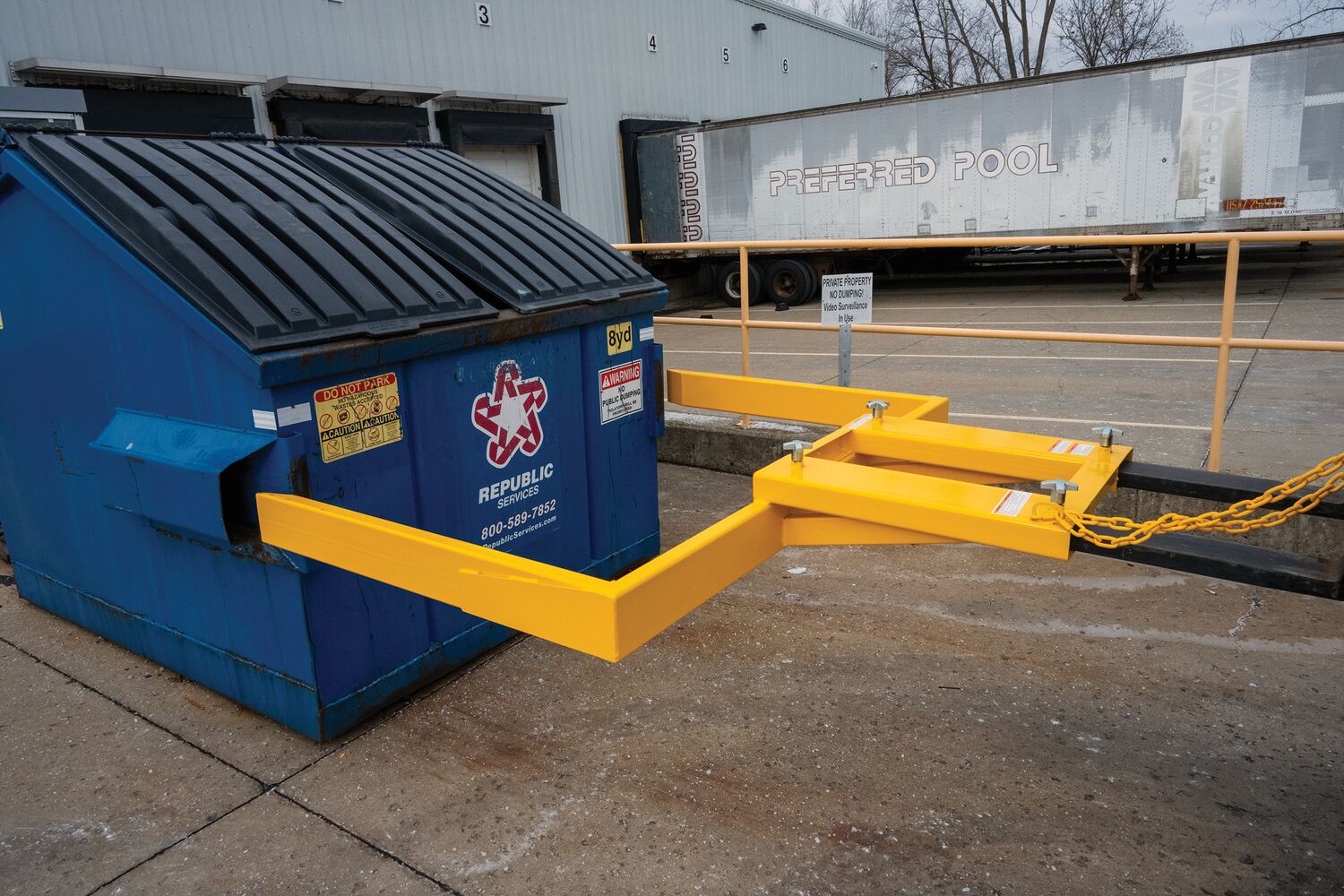
Managing waste efficiently is essential for businesses, apartment complexes, restaurants, retail stores, and office buildings. Choosing the wrong dumpster can lead to overflowing trash, unnecessary collection fees, and operational disruptions. Understanding how a front load dumpster works helps property owners select a waste solution that fits their daily needs while keeping their premises clean and organized.
Unlike temporary dumpsters used during construction projects, front load dumpsters are designed for routine waste collection. They offer a dependable solution for locations that generate consistent amounts of everyday trash. Knowing when to use one, how to size it correctly, and how to maintain it can significantly reduce waste management costs while improving sanitation.
What Is a Front Load Dumpster?
A front load dumpster is a permanent waste container commonly placed behind commercial buildings or within designated waste collection areas. Specialized garbage trucks lift the container from the front using hydraulic forks, empty the contents into the truck, and return the dumpster to its original position.
These dumpsters are typically used for ongoing waste collection rather than short-term cleanup projects. Businesses schedule pickups based on how much waste they produce, whether that’s daily, several times a week, or weekly.
Common users include:
- Restaurants
- Grocery stores
- Shopping centers
- Office buildings
- Apartment communities
- Schools
- Medical facilities
Front load dumpsters are available in multiple capacities, allowing businesses to choose one that matches their waste volume without paying for unnecessary space.
Understanding When a Front Load Dumpster Is the Right Choice
Not every property requires the same waste solution. Selecting the appropriate dumpster depends on both the type and quantity of waste produced.
Businesses generating predictable daily trash often benefit most from front load dumpsters. Examples include retail stores disposing of packaging materials or restaurants producing food waste throughout the day.
Temporary renovation projects, demolition work, or large construction sites usually require roll-off dumpsters instead because they accommodate bulky debris more effectively.
Choosing the correct option prevents operational inefficiencies and helps avoid unexpected collection costs.
How to Choose the Right Dumpster Size
Selecting the appropriate dumpster size begins with evaluating your average weekly waste output.
Estimate Your Waste Volume
Review how many trash bags your business fills each day and identify seasonal fluctuations. Retail businesses, for instance, often produce additional cardboard during holiday shopping periods.
A small coffee shop may only require a compact container, while a large grocery store typically needs a significantly larger dumpster with frequent pickups.
Consider Available Space
Dumpster placement matters just as much as capacity. Ensure there is enough clearance for collection trucks to safely access and empty the container.
Avoid placing dumpsters near entrances, emergency exits, or areas with limited maneuvering space.
Schedule Appropriate Pickup Frequency
Instead of choosing an oversized dumpster, many businesses reduce costs by adjusting collection frequency.
For example:
- A small office might need weekly service.
- A busy restaurant could require daily pickups.
- An apartment complex may benefit from multiple collections each week.
Balancing dumpster size with pickup schedules creates an efficient waste management plan.
Step-by-Step Strategy for Managing Waste Efficiently
A well-organized waste management process improves cleanliness while reducing unnecessary expenses.
Evaluate Current Waste Patterns
Spend several weeks monitoring how quickly dumpsters fill. Tracking waste generation provides reliable data for selecting container size and pickup schedules.
Separate Recyclable Materials
Cardboard, paper, plastic, and metal often occupy valuable dumpster space unnecessarily.
Implementing recycling stations throughout the facility helps reduce landfill waste while extending dumpster capacity.
Train Employees
Employees should understand what belongs inside the dumpster and what requires separate disposal.
Simple training minimizes contamination, prevents overflowing containers, and improves workplace cleanliness.
Monitor Seasonal Changes
Businesses rarely produce identical waste volumes year-round.
Retail stores, event venues, and restaurants often experience seasonal peaks that require temporary service adjustments.
Planning ahead prevents overflow during busy periods.
Common Challenges Businesses Face
Even businesses with reliable waste collection occasionally encounter preventable problems.
One common issue is selecting a dumpster that is too small. Overflowing containers create unpleasant conditions, attract pests, and may result in additional collection fees.
Another frequent mistake involves disposing of prohibited materials. Hazardous chemicals, batteries, electronic waste, and certain industrial products often require specialized disposal methods.
Poor dumpster placement also creates operational issues. Collection trucks need sufficient room to approach, lift, and empty containers safely. Vehicles parked too close can delay scheduled pickups.
Finally, ignoring maintenance allows unpleasant odors and pests to develop. Regular cleaning keeps the surrounding area sanitary and creates a better experience for employees and customers alike.
Expert Tips for Maximizing Dumpster Efficiency
Businesses can improve waste management by adopting a few practical habits.
Conduct regular waste audits to identify unnecessary trash generation. Many companies discover recyclable materials filling significant portions of their dumpsters.
Break down cardboard boxes before disposal. Flattened boxes require far less space than intact packaging, increasing container capacity.
Keep dumpster lids closed whenever possible. Closed lids discourage animals, reduce wind-blown litter, and help control odors during warmer months.
Review collection schedules annually. As businesses grow or change operations, waste generation often changes as well. Updating service frequency helps avoid paying for unused capacity or emergency pickups.
Assign responsibility for monitoring dumpster conditions. Designating a staff member ensures problems are identified before they become expensive maintenance issues.
Businesses handling food waste should also consider routine dumpster cleaning. Removing residue reduces odors and improves overall sanitation, particularly during summer.
Real-World Example
Consider a neighborhood restaurant serving hundreds of customers daily. Initially, management selected a small dumpster with twice-weekly collection. Within months, overflowing waste became a recurring problem during weekends.
After reviewing waste patterns, the restaurant upgraded to a slightly larger container while increasing pickups to four times per week. Employees also began flattening cardboard boxes and separating recyclable packaging.
These simple operational changes eliminated overflow, improved cleanliness around the building, and reduced emergency collection charges.
This example illustrates that effective waste management depends not only on dumpster size but also on thoughtful planning and consistent operational practices.
Conclusion
A front load dumpster provides an efficient long-term waste management solution for businesses that generate consistent daily trash. Choosing the appropriate size, scheduling pickups based on actual waste volume, maintaining clean disposal practices, and training employees all contribute to lower costs and a cleaner environment.
Rather than treating waste collection as an afterthought, businesses that regularly evaluate their disposal needs create safer, more organized properties while improving operational efficiency. A well-managed dumpster system supports daily business operations, minimizes unnecessary expenses, and helps maintain a professional appearance for employees, customers, and visitors alike.