Martin L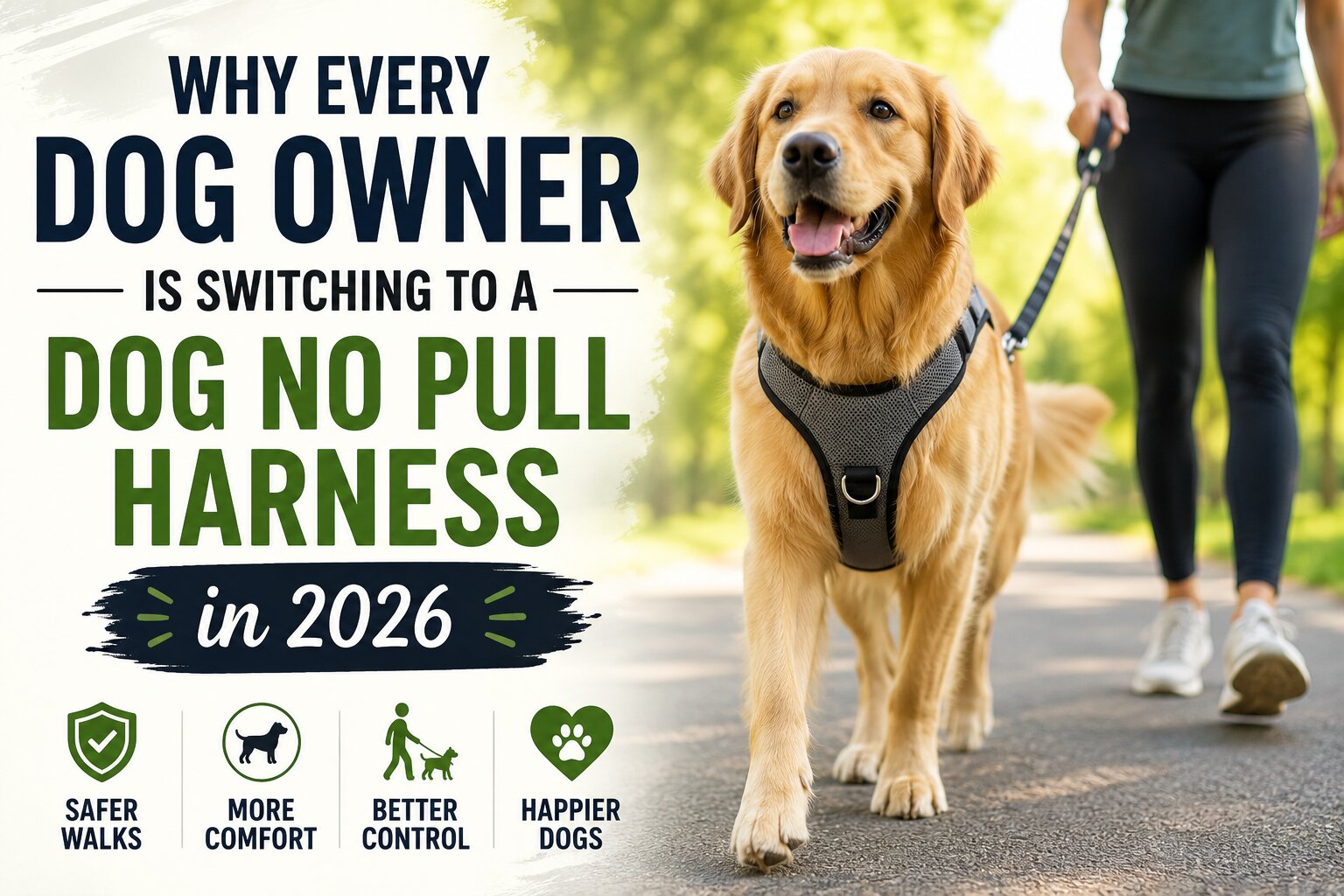
Walking a dog should be one of the best parts of the day. It gives your pet exercise, provides mental stimulation, and creates quality time together. Yet for many owners, a simple walk turns into a struggle. A dog that constantly pulls on the leash can make every outing stressful, exhausting, and even unsafe.
That is why more pet owners are choosing a Dog No Pull Harness in 2026. Instead of relying on traditional collars that put pressure on a dog’s neck, modern harnesses are designed to improve control while keeping dogs comfortable. They also encourage better walking habits without causing unnecessary discomfort.
This shift is not just another pet trend. It reflects a growing understanding of canine behavior, safety, and positive training methods. Dog owners today are looking for equipment that supports their pet’s well-being while making daily walks more enjoyable.
In this guide, you’ll learn why the Dog No Pull Harness has become the preferred choice for thousands of dog owners, how it works, what benefits it offers, and how to choose the right one for your furry companion.
Why Traditional Collars Are Losing Popularity
For decades, collars were the standard option for walking dogs. They still serve an important purpose by holding identification tags and contact information. However, many owners have discovered that collars are not always the best tool for leash training.
When a dog pulls forward, a collar places direct pressure on the throat and neck. Over time, this pressure may cause discomfort, coughing, or strain, especially in dogs that naturally pull with excitement.
Owners are also becoming more aware that pulling often becomes a cycle. The harder a dog pulls, the more the owner pulls back. Instead of teaching calm walking, this creates resistance on both ends of the leash.
A Dog No Pull Harness addresses this issue by distributing pressure across the chest and shoulders rather than concentrating it around the neck.
What Is a Dog No Pull Harness?
A Dog No Pull Harness is a specially designed walking harness that helps reduce leash pulling while improving comfort and control.
Unlike standard harnesses, many no-pull designs include a front attachment point for the leash. When a dog rushes ahead, the front connection gently redirects the dog’s movement toward the owner instead of allowing full forward momentum.
The goal is not to punish the dog.
Instead, the harness naturally encourages the dog to slow down and pay attention to the handler.
Most quality harnesses also include:
- Adjustable straps
- Soft padding
- Durable buckles
- Chest and back leash attachment points
- Reflective materials for visibility
These features work together to create a safer walking experience.
Why More Dog Owners Are Making the Switch in 2026
Greater Focus on Positive Training
Training methods have changed significantly over the past decade.
Modern trainers now emphasize positive reinforcement instead of correction-based techniques. Dog owners are learning that rewarding good behavior often produces better long-term results than punishment.
A Dog No Pull Harness fits perfectly into this training philosophy because it supports gentle guidance rather than force.
Combined with praise and treats, it helps dogs understand what calm walking feels like.
Improved Safety During Walks
Safety remains one of the biggest reasons people are replacing traditional collars.
Large dogs can generate considerable pulling force. When attached to a collar, that force is concentrated around sensitive neck structures.
A harness spreads the pressure more evenly across stronger parts of the body.
This design helps reduce unnecessary strain while giving owners better control in busy streets, parks, or crowded sidewalks.
Better Comfort for Dogs
Comfort matters.
A dog that feels comfortable is more likely to enjoy walks and cooperate during training.
Modern harnesses are made with breathable materials, lightweight fabrics, and padded contact points that reduce rubbing.
Many owners notice that their dogs become more relaxed after switching to a Dog No Pull Harness.
Easier Control Without Excessive Force
Strong dogs can easily overpower owners when pulling.
A well-designed harness improves handling by giving owners better leverage without relying on harsh corrections.
This makes walking easier for:
- Families
- Seniors
- New dog owners
- People with limited upper-body strength
Greater control also helps build confidence during outdoor adventures.
Dogs That Benefit Most from a Dog No Pull Harness
Although nearly every dog can use one, some breeds and personalities benefit even more.
Examples include:
- Labrador Retrievers
- Golden Retrievers
- German Shepherds
- Huskies
- Boxers
- Pit Bulls
- Border Collies
- Young puppies learning leash manners
Energetic dogs naturally become excited during walks.
A Dog No Pull Harness helps channel that energy without creating unnecessary frustration.
Common Reasons Dogs Pull
Understanding why dogs pull helps owners solve the problem more effectively.
Dogs usually pull because:
Excitement
Everything outside smells new.
Dogs want to investigate every scent, sound, and movement.
Lack of Training
Many dogs simply have never learned loose-leash walking.
Without guidance, pulling becomes their normal habit.
High Energy Levels
Working breeds and sporting breeds often have extra energy.
Regular exercise combined with consistent training helps reduce pulling over time.
Natural Walking Speed
Dogs naturally move faster than humans.
A Dog No Pull Harness helps bridge this difference by making communication between owner and dog much clearer.
Benefits Beyond Stopping Pulling
Many owners discover unexpected advantages after making the switch.
Better Walking Experience
Walks become calmer and more enjoyable.
Instead of constantly correcting the leash, owners can focus on spending time with their dogs.
Reduced Stress
Daily walks should not feel like a workout.
Less pulling means less frustration for both dog and owner.
Increased Confidence
Many first-time dog owners feel nervous about handling energetic dogs.
A Dog No Pull Harness provides greater control, making outdoor adventures feel much more manageable.
Encourages Better Training
Because dogs remain more comfortable, they often respond better to training sessions.
Owners can reward desired behaviors more effectively without relying on constant leash corrections.
How to Choose the Right Dog No Pull Harness
Not every harness fits every dog.
Selecting the right one makes a significant difference.
Check the Fit
A harness should fit snugly without restricting movement.
You should be able to slide two fingers comfortably beneath each strap.
Look for Adjustable Straps
Dogs come in many shapes and sizes.
Multiple adjustment points provide a secure and customized fit.
Prioritize Comfort
Soft padding helps prevent rubbing during longer walks.
Breathable materials also improve comfort during warmer weather.
Durable Construction
Strong stitching and reliable buckles increase safety.
Quality materials often last much longer than inexpensive alternatives.
Reflective Features
If you walk early in the morning or after sunset, reflective stitching improves visibility.
This small feature can significantly improve safety.
Common Mistakes Dog Owners Make
Even the best harness cannot solve every problem overnight.
Avoid these common mistakes.
Expecting Instant Results
A Dog No Pull Harness supports training.
It does not replace consistent practice.
Dogs still need guidance and patience.
Buying the Wrong Size
An oversized harness can allow escape.
A harness that is too tight can cause discomfort.
Always measure your dog before purchasing.
Skipping Training Sessions
Owners should continue rewarding calm walking.
Positive reinforcement remains an essential part of the learning process.
Leaving the Harness On All Day
Most harnesses are designed for walks rather than continuous wear.
Removing it afterward helps prevent unnecessary rubbing.
Tips for Successful Loose-Leash Walking
Good equipment works best alongside good habits.
Here are a few practical tips.
Reward Calm Behavior
Praise your dog whenever the leash remains loose.
Small treats can reinforce good habits quickly.
Change Direction
If your dog begins pulling, calmly change direction instead of engaging in a tug-of-war.
This teaches your dog to pay attention to your movements.
Keep Sessions Short
Young dogs learn better during shorter, positive sessions.
Consistency matters more than length.
Stay Patient
Every dog learns at a different pace.
Celebrate small improvements rather than expecting perfection immediately.
Myths About Dog No Pull Harnesses
Several misconceptions still exist.
Let’s clear up a few.
Myth: Harnesses Encourage Pulling
Older back-clip harnesses sometimes allowed pulling.
Modern front-clip Dog No Pull Harness designs help reduce forward momentum instead.
Myth: They Replace Training
No equipment can replace consistent training.
A harness simply makes learning easier.
Myth: Only Large Dogs Need Them
Dogs of every size can pull.
Small breeds also benefit from improved comfort and safer pressure distribution.
Myth: Dogs Stop Pulling Overnight
Training takes time.
The harness supports progress but does not instantly eliminate unwanted behavior.
The Growing Trend Toward Better Pet Care
Pet owners today view dogs as family members.
That mindset influences purchasing decisions.
Instead of choosing equipment based solely on price, people now prioritize comfort, safety, and long-term well-being.
Veterinarians, trainers, and experienced dog owners continue encouraging humane walking tools that improve daily life for both pets and their families.
As education grows, more people recognize that comfortable equipment often leads to better behavior and more enjoyable experiences.
This explains why the Dog No Pull Harness continues gaining popularity across different breeds, ages, and lifestyles.
Frequently Asked Questions
Does a Dog No Pull Harness hurt dogs?
No. When properly fitted, it distributes pressure across the chest and shoulders rather than concentrating force on the neck.
Can puppies use a Dog No Pull Harness?
Yes. Many trainers recommend introducing puppies to harnesses early while teaching proper leash manners.
Is a Dog No Pull Harness suitable for small dogs?
Absolutely.
Small breeds often benefit from the added comfort and improved control.
How long does it take to stop pulling?
Every dog learns differently.
With consistent training and positive reinforcement, many owners notice improvement within several weeks.
Should I still use treats during training?
Yes.
Treats, praise, and consistency remain some of the most effective ways to reinforce loose-leash walking.
Final Thoughts
The way people walk and train their dogs has evolved. In 2026, more owners are choosing methods that focus on comfort, communication, and positive reinforcement rather than force. That shift explains why the Dog No Pull Harness has become such a popular choice.
While no harness can replace patience and consistent training, the right equipment can make learning easier for both dogs and their owners. By reducing strain on the neck, improving control, and encouraging better leash manners, a Dog No Pull Harness supports safer and more enjoyable walks.
Whether you’re raising a playful puppy or helping an energetic adult dog develop better walking habits, investing time in proper training and using equipment designed with your dog’s well-being in mind can transform your daily routine. Calm, confident walks are achievable—and they begin with understanding your dog’s needs and choosing tools that promote comfort, trust, and positive behavior.


 ashton kit