Muhammad Mehmood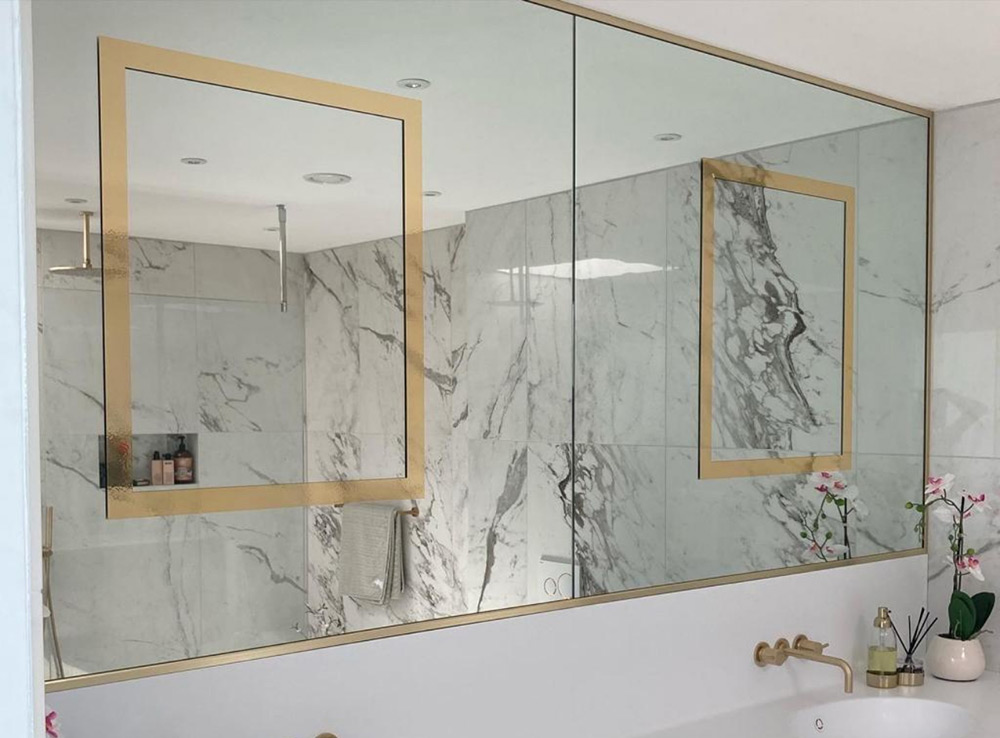
Mirrors do much more than reflect an image. They influence how a room feels, improve natural light, and create the illusion of additional space. Whether you’re updating a bathroom, designing a commercial storefront, or adding a decorative feature wall, selecting the right mirror requires more thought than simply choosing the correct dimensions. Understanding how custom mirror glass is designed, measured, and installed can help homeowners and designers make informed decisions that improve both function and appearance.
Unlike standard mirrors that come in fixed sizes, custom options are created to fit specific spaces and design goals. This flexibility allows you to accommodate unusual layouts, match existing décor, and achieve a polished finish. Knowing what to consider before ordering helps prevent costly mistakes while ensuring the final installation performs well for years.
Understanding Custom Mirror Glass
Custom mirror glass is manufactured according to precise specifications instead of standard retail dimensions. It can be cut into unique shapes, polished with decorative edge finishes, drilled for hardware, or designed with safety features depending on its intended application.
Because every project is different, custom mirrors are commonly used in locations where standard products cannot provide an ideal fit. Examples include:
- Bathroom vanity mirrors
- Home gym walls
- Dance studios
- Retail displays
- Entryway accent walls
- Dining room decorative panels
- Commercial offices
- Hotel interiors
Modern manufacturing techniques allow mirrors to be produced in various thicknesses, edge profiles, and finishes. This gives architects, contractors, and homeowners greater creative freedom while maintaining structural integrity.
How to Choose the Right Custom Mirror Glass
Planning ahead makes the entire project smoother. Following a structured process helps ensure the mirror meets both aesthetic and functional expectations.
Step 1: Measure Carefully
Accurate measurements are the foundation of every successful mirror installation.
Measure both the width and height at multiple points because walls are not always perfectly square. Record the smallest measurement when fitting inside an existing opening.
Double-check every measurement before submitting your order.
Step 2: Select the Appropriate Thickness
Different applications require different glass thicknesses.
Thicker mirrors generally provide greater durability and stability, making them suitable for large installations. Smaller decorative mirrors may perform well with thinner glass.
Choosing the correct thickness also helps reduce visual distortion, especially on large wall mirrors.
Step 3: Decide on the Edge Finish
Edge treatment significantly affects the final appearance.
Popular options include:
- Polished edges
- Beveled edges
- Flat polished edges
- Pencil polished edges
A frameless decorative mirror often benefits from polished or beveled edges because they become part of the visible design.
Step 4: Consider Safety Requirements
Safety should never be overlooked.
Areas exposed to heavy traffic or moisture may require safety backing or tempered mirror glass, depending on local building codes and installation requirements.
Bathrooms, fitness centers, schools, and commercial buildings often have additional safety considerations.
Step 5: Choose the Installation Method
Installation varies based on the mirror size and location.
Common mounting methods include:
- Mirror adhesive
- Mechanical clips
- Decorative brackets
- Hidden mounting systems
Selecting the appropriate hardware improves stability while maintaining a clean appearance.
Applications That Benefit from Custom Mirrors
Custom mirror glass serves many practical purposes beyond decoration.
Residential Bathrooms
Large vanity mirrors create a brighter, more open atmosphere while providing a seamless appearance across double sinks.
Instead of using two separate mirrors, many homeowners choose one continuous mirror for a cleaner design.
Home Gyms
Fitness rooms require large reflective surfaces that allow users to monitor posture and exercise form.
Professional installation helps ensure proper alignment across multiple mirror panels.
Retail Stores
Retailers frequently use mirrors to improve product displays and make stores feel larger.
Well-positioned mirrors can enhance customer experience by increasing brightness and improving visibility throughout the sales floor.
Dining and Living Areas
Decorative mirrors introduce depth while reflecting natural light from nearby windows.
This simple design strategy makes smaller rooms feel significantly more spacious without major renovations.
Common Mistakes to Avoid
Even experienced renovators occasionally overlook important details.
One common mistake is measuring only once. Small measurement errors can prevent a custom mirror from fitting properly, leading to delays and additional costs.
Another issue is ignoring wall conditions. Uneven surfaces may require adjustments before installation to prevent stress on the glass.
Some homeowners also underestimate the importance of edge finishing. Exposed mirror edges should be professionally finished to improve both appearance and safety.
Using incorrect adhesives is another frequent problem. Certain products may damage the mirror backing over time, reducing clarity and shortening the mirror’s lifespan.
Finally, choosing appearance over functionality can create long-term disappointment. A beautiful mirror should also meet the practical needs of its environment.
Expert Tips for Better Results
Experienced installers and interior designers often recommend planning the mirror as part of the overall room design rather than treating it as a final accessory.
If multiple fixtures will surround the mirror, finalize their positions before manufacturing begins. Lighting, outlets, faucets, and cabinetry all influence the mirror’s ideal dimensions.
Consider how natural light changes throughout the day. Positioning a mirror opposite a window can brighten a room without increasing energy consumption.
For larger installations, request precise templates whenever possible. Templates help verify measurements before the mirror is manufactured.
Regular maintenance also extends mirror life. Clean mirrors using soft microfiber cloths and non-abrasive glass cleaners. Avoid excessive moisture around exposed edges whenever possible.
When designing decorative feature walls, maintain consistent spacing between mirror panels to achieve a professional appearance. Even small alignment differences become noticeable after installation.
Working with qualified installers is especially valuable for oversized mirrors because proper handling reduces the risk of breakage and ensures long-term stability.
Conclusion
Custom mirror glass provides flexibility that standard mirrors simply cannot match. Whether you’re upgrading a bathroom, enhancing a commercial space, or creating a decorative focal point, a properly designed mirror improves functionality, lighting, and visual appeal.
Successful projects begin with accurate measurements, thoughtful material selection, appropriate safety considerations, and careful installation planning. By focusing on these practical details, you can achieve a finished result that complements the space, performs reliably, and continues looking great for years.


 Freya Parker