John Edwards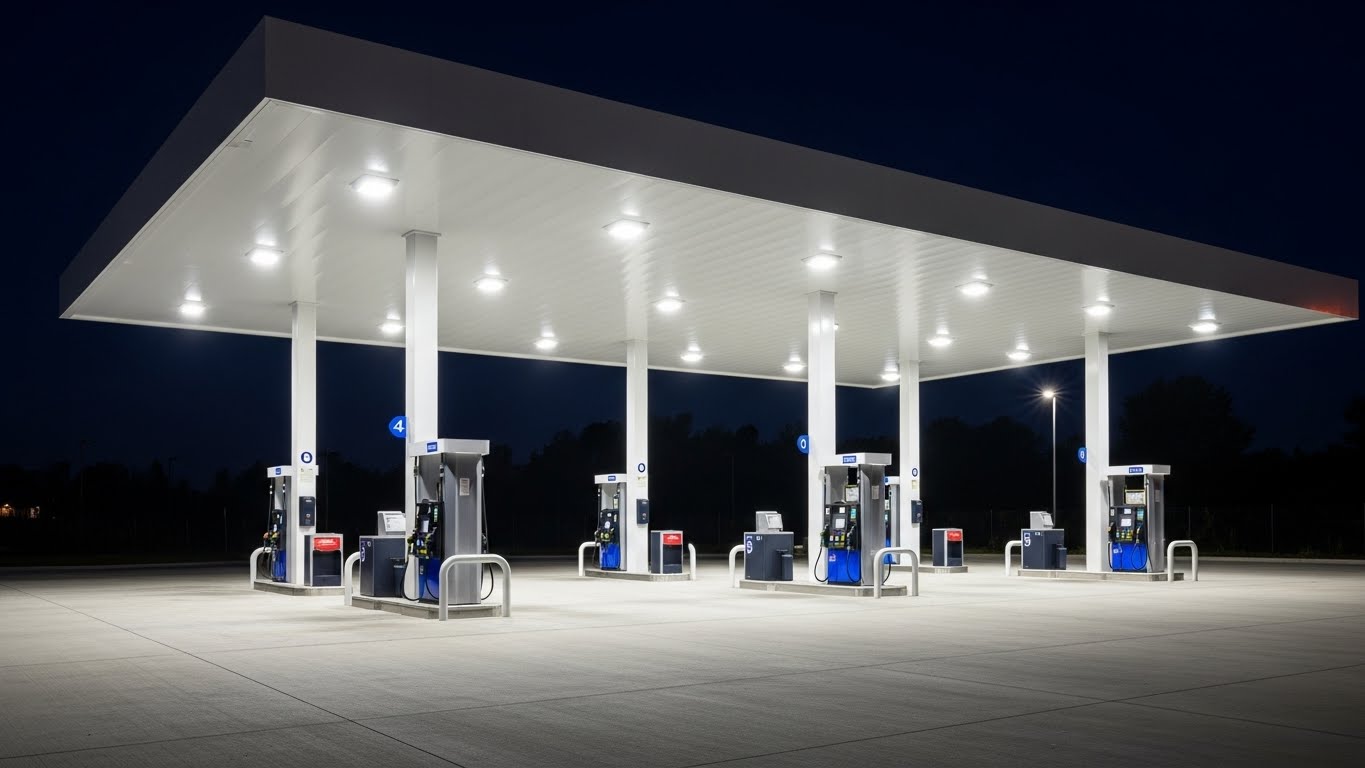
Canopy lighting has become an essential part of commercial and industrial properties in 2026. Businesses are replacing outdated metal halide and fluorescent fixtures with modern LED Canopy Lights to improve visibility, reduce electricity costs, and enhance safety. Whether you manage a gas station, parking garage, warehouse entrance, or commercial walkway, selecting the right canopy light can significantly improve performance and lower maintenance expenses.
This guide explains everything you need to know about canopy lights in 2026, including their benefits, applications, features, installation tips, and buying considerations.
What Is a Canopy Light?
A canopy light is a ceiling-mounted lighting fixture designed for covered outdoor and semi-outdoor spaces. These fixtures provide wide and uniform illumination while resisting moisture, dust, and harsh weather conditions.
Modern LED canopy lights are commonly installed in:
- Gas stations
- Parking garages
- Commercial building entrances
- Loading docks
- Drive-through lanes
- Walkways
- Shopping centers
- Warehouses
- Apartment complexes
LED canopy lights deliver bright illumination while consuming much less energy than traditional lighting technologies.
Why Choose LED Canopy Lights in 2026?
Businesses continue upgrading to LED canopy lights because they offer measurable operational advantages.
Lower Energy Consumption
LED canopy lights typically reduce electricity usage by up to 60–75% compared to older HID fixtures, helping businesses lower operating costs.
Long Lifespan
Most commercial LED canopy lights are rated for approximately 50,000 to 100,000 hours, minimizing replacement frequency and maintenance.
Improved Visibility
High lumen output provides bright, evenly distributed lighting that reduces shadows and improves customer and employee safety.
Weather Resistant Construction
Quality fixtures feature IP65 or higher protection against rain, dust, and outdoor environments.
Instant Full Brightness
Unlike HID fixtures, LED canopy lights reach full brightness immediately after switching on.
Common Applications
Gas Stations
Fuel stations require bright, uniform lighting for customer safety, security, and better visibility during nighttime operations.
Parking Garages
LED canopy fixtures eliminate dark areas and improve visibility for drivers and pedestrians.
Commercial Entrances
Businesses use canopy lighting to create welcoming entrances while improving nighttime security.
Loading Docks
Warehouses rely on high-output canopy lights for loading and unloading operations throughout the day and night.
Walkways
Covered pedestrian areas benefit from consistent illumination that enhances safety.
Important Features to Consider
Wattage
Choose wattage according to mounting height and lighting requirements.
Typical options include:
- 40W
- 60W
- 80W
- 100W
- 120W
- 150W
Lumens
Instead of focusing only on wattage, compare lumen output. Higher lumens provide brighter illumination with better efficiency.
Color Temperature
Common choices include:
- 3000K for warm environments
- 4000K for balanced lighting
- 5000K for commercial spaces
- 5700K for maximum visibility
Color Rendering Index (CRI)
A CRI of 80 or higher provides accurate color appearance, improving visibility and safety.
Housing Material
Look for die-cast aluminum housing that offers excellent heat dissipation and corrosion resistance.
Advantages for Businesses
Installing LED canopy lights offers several business benefits:
- Reduced monthly electricity bills
- Lower maintenance costs
- Improved customer experience
- Enhanced employee safety
- Better nighttime visibility
- Longer fixture lifespan
- Environmentally friendly operation
Installation Tips
For the best performance:
- Select the correct mounting height.
- Maintain proper spacing between fixtures.
- Choose the correct beam angle.
- Use weatherproof electrical connections.
- Consider motion sensors or daylight controls for additional energy savings.
Professional installation helps ensure compliance with local electrical codes and optimal lighting performance.
Maintenance
Although LED canopy lights require minimal maintenance, regular inspections help maximize lifespan.
Recommended maintenance includes:
- Cleaning the fixture lens
- Removing accumulated dust
- Inspecting electrical wiring
- Checking mounting hardware
- Testing emergency lighting systems
Buying Guide for 2026
Before purchasing canopy lights, evaluate:
- Fixture efficiency
- Lumen output
- Warranty coverage
- IP rating
- Voltage compatibility
- DLC or UL certifications
- Expected operating hours
Selecting certified commercial-grade fixtures ensures long-term reliability and performance.
Future Trends in Canopy Lighting
Commercial lighting continues to evolve with technologies such as:
- Smart lighting controls
- Motion detection
- Wireless monitoring
- Energy management systems
- Higher lumen-per-watt efficiency
- Improved optical design
- Enhanced surge protection
These innovations help businesses reduce energy consumption while improving lighting quality.
Conclusion
A high-quality LED canopy light is one of the best investments for commercial properties in 2026. It delivers bright, uniform illumination, significantly reduces energy costs, requires minimal maintenance, and improves safety for employees and visitors alike.
Whether upgrading a gas station, parking garage, warehouse entrance, or commercial facility, choosing the right canopy light ensures reliable performance for years while supporting lower operating costs and a better customer experience.


 Ignition Tax
 Maraal Deniz