Muhammad Mehmood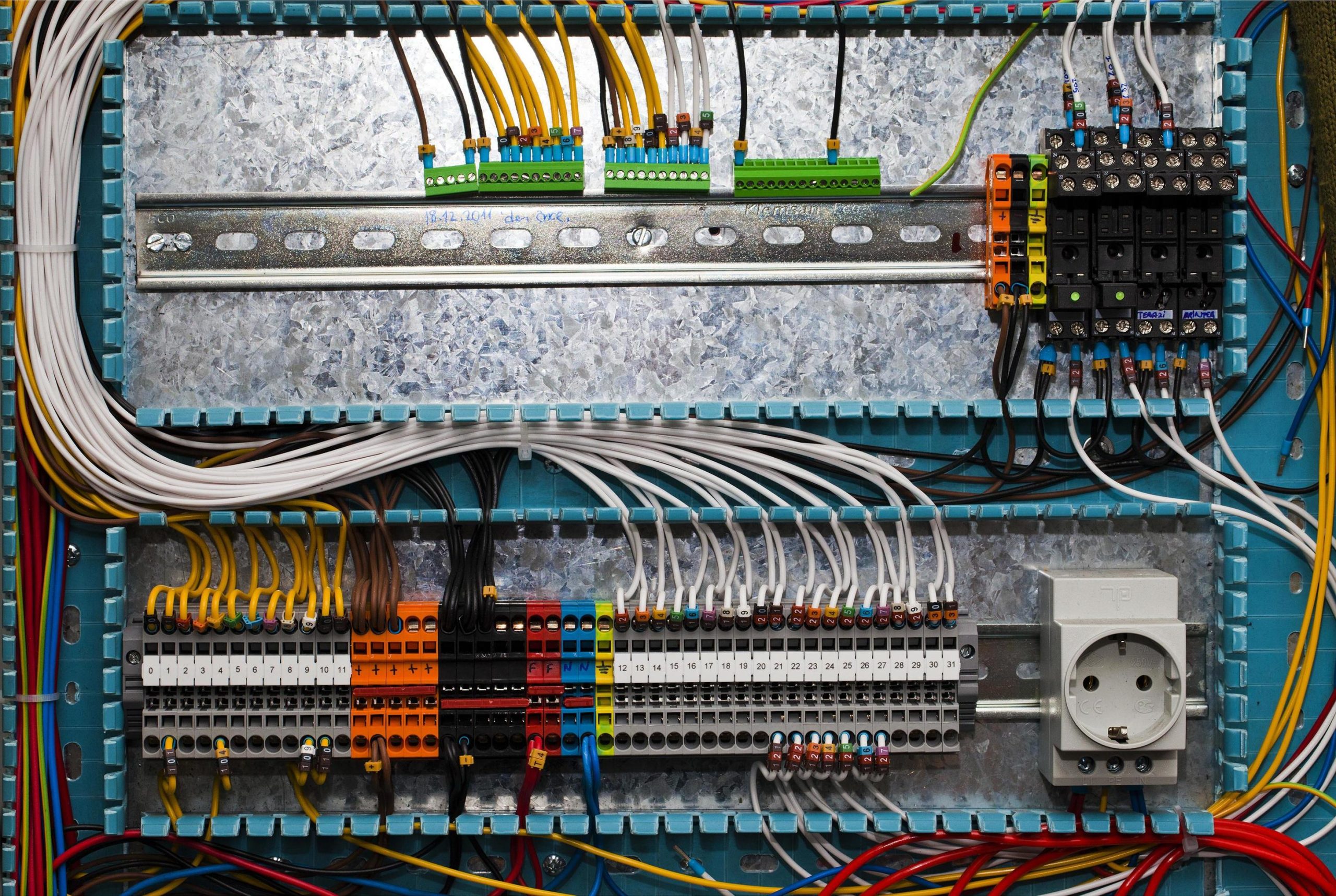
Every modern building depends on a dependable network of cables to support communication, security, automation, and business operations. Whether you’re constructing a new office, upgrading a data center, or renovating a commercial facility, a well-planned wiring infrastructure strategy helps ensure long-term performance and easier maintenance. A structured overview of the topic can also provide helpful background before planning a project.
Poor cable planning often leads to network outages, expensive troubleshooting, and limited scalability. Many organizations focus on purchasing high-end networking equipment but overlook the physical infrastructure that supports it. As a result, even the best hardware cannot perform at its full potential when connected through an outdated or disorganized cabling system.
Investing time in proper planning creates a foundation that supports future technologies while reducing operational costs. A structured wiring system improves reliability, simplifies upgrades, and provides flexibility as technology continues to evolve.
Understanding Wiring Infrastructure
Wiring infrastructure refers to the complete system of cables, pathways, connectors, patch panels, racks, and supporting components that carry power and data throughout a building. It serves as the backbone for computers, internet connections, security cameras, access control systems, VoIP phones, wireless access points, and smart building technologies.
Unlike temporary cable installations, structured wiring follows industry best practices that emphasize organization, performance, and future expansion. The goal is to create an infrastructure that remains functional for many years while supporting multiple technologies without major modifications.
A well-designed system typically includes:
- Horizontal cabling connecting workstations to telecommunications rooms.
- Backbone cabling connecting different floors or buildings.
- Equipment rooms housing switches, routers, and servers.
- Cable management systems that keep wiring organized.
- Clearly labeled connections for easier troubleshooting.
This organized approach minimizes downtime and helps IT teams identify issues quickly when maintenance becomes necessary.
A Step-by-Step Approach to Building Effective Wiring Infrastructure
Creating reliable wiring infrastructure requires more than simply installing cables. Careful planning and execution ensure the system remains dependable for years.
Evaluate Current and Future Requirements
Begin by identifying the building’s current technology needs while also considering future growth.
For example, an office with 60 employees today may expand to 120 employees within five years. Planning additional cable capacity during construction costs far less than reopening walls later.
Consider:
- Number of users
- Internet bandwidth requirements
- Wireless coverage
- Security devices
- Audio-visual systems
- Building automation
- Future technology expansion
Select Appropriate Cabling
Different environments require different cable types.
Copper Ethernet cables remain common for workstation connections, while fiber optic cables provide high-speed backbone connectivity between network closets or buildings.
Choosing higher-performance cabling may increase initial costs but often extends the usable life of the infrastructure and reduces future replacement expenses.
Design Organized Cable Pathways
Cable trays, conduits, and raceways protect wiring while keeping installations neat and accessible.
Well-planned pathways reduce physical stress on cables, improve airflow around equipment, and simplify future additions.
Technicians can also complete maintenance faster when cables follow consistent routing patterns.
Label Everything Clearly
Proper labeling is one of the most overlooked aspects of infrastructure management.
Every cable, patch panel, outlet, and rack position should follow a standardized labeling system.
When a network issue occurs, accurate labels allow technicians to locate the correct connection within minutes instead of spending hours tracing cables.
Test Before Deployment
Every installed cable should be tested before the system becomes operational.
Certification testing verifies that cables meet required performance standards and confirms that no hidden installation problems exist.
Resolving issues during installation is significantly easier than diagnosing intermittent network failures after occupancy.
Practical Applications Across Different Industries
Reliable wiring infrastructure supports organizations in many industries.
Healthcare facilities depend on uninterrupted network connectivity for patient records, imaging systems, and communication between departments.
Educational institutions require stable networks for online learning platforms, classroom technology, and campus-wide wireless access.
Manufacturing plants increasingly rely on connected machinery, sensors, and industrial automation systems that require dependable network performance.
Retail businesses use structured cabling for payment systems, inventory management, surveillance cameras, and customer Wi-Fi.
Each environment has unique requirements, yet all benefit from organized, scalable infrastructure that supports evolving technology needs.
Common Mistakes That Reduce Infrastructure Performance
Several avoidable mistakes frequently shorten the lifespan of wiring systems or create unnecessary maintenance challenges.
One common issue is mixing different cable categories without considering compatibility. This often limits network performance even when newer equipment is installed.
Another mistake involves poor cable management. Tangled bundles increase troubleshooting time, restrict airflow around equipment, and create unnecessary stress on cables.
Ignoring future expansion also creates long-term problems. Installing only enough cable for current needs often results in expensive retrofits as organizations grow.
Improper bend radius, excessive cable tension, and routing data cables too close to electrical wiring can introduce signal degradation and reduce overall reliability.
Finally, skipping documentation leaves future technicians without a clear understanding of the infrastructure layout, making even simple maintenance tasks more complicated.
Expert Recommendations for Long-Term Success
Organizations can significantly improve infrastructure reliability by following several proven practices.
Develop standardized installation procedures across every project. Consistency simplifies maintenance and reduces installation errors.
Maintain detailed documentation, including cable maps, rack layouts, labeling conventions, and equipment inventories. Updated records save valuable time during repairs or future upgrades.
Schedule periodic inspections to identify damaged cables, overloaded racks, or environmental issues before they become major problems.
Allow additional capacity in cable trays, conduits, and telecommunications rooms. Extra space makes future expansion easier without disrupting existing operations.
Keep network equipment organized using proper cable management accessories rather than relying on temporary solutions. Clean installations improve airflow, simplify maintenance, and create a more professional environment.
Train maintenance staff on documentation standards and labeling practices so updates remain accurate throughout the infrastructure’s lifecycle.
Finally, view wiring infrastructure as a long-term investment rather than a one-time construction expense. While networking hardware changes every few years, properly installed structured cabling often supports multiple generations of technology.
Conclusion
Reliable wiring infrastructure forms the foundation of every modern digital environment. From offices and schools to hospitals and industrial facilities, organized cabling improves performance, simplifies maintenance, and prepares buildings for future technology demands.
By planning carefully, selecting appropriate materials, following structured installation practices, and maintaining thorough documentation, organizations can build infrastructure that delivers dependable connectivity for many years. A thoughtful approach today reduces future costs, minimizes downtime, and creates a flexible network capable of supporting continuous technological growth.


 Freya Parker
 JR's Houston Gutters, Sidings and Roofing