Freya Parker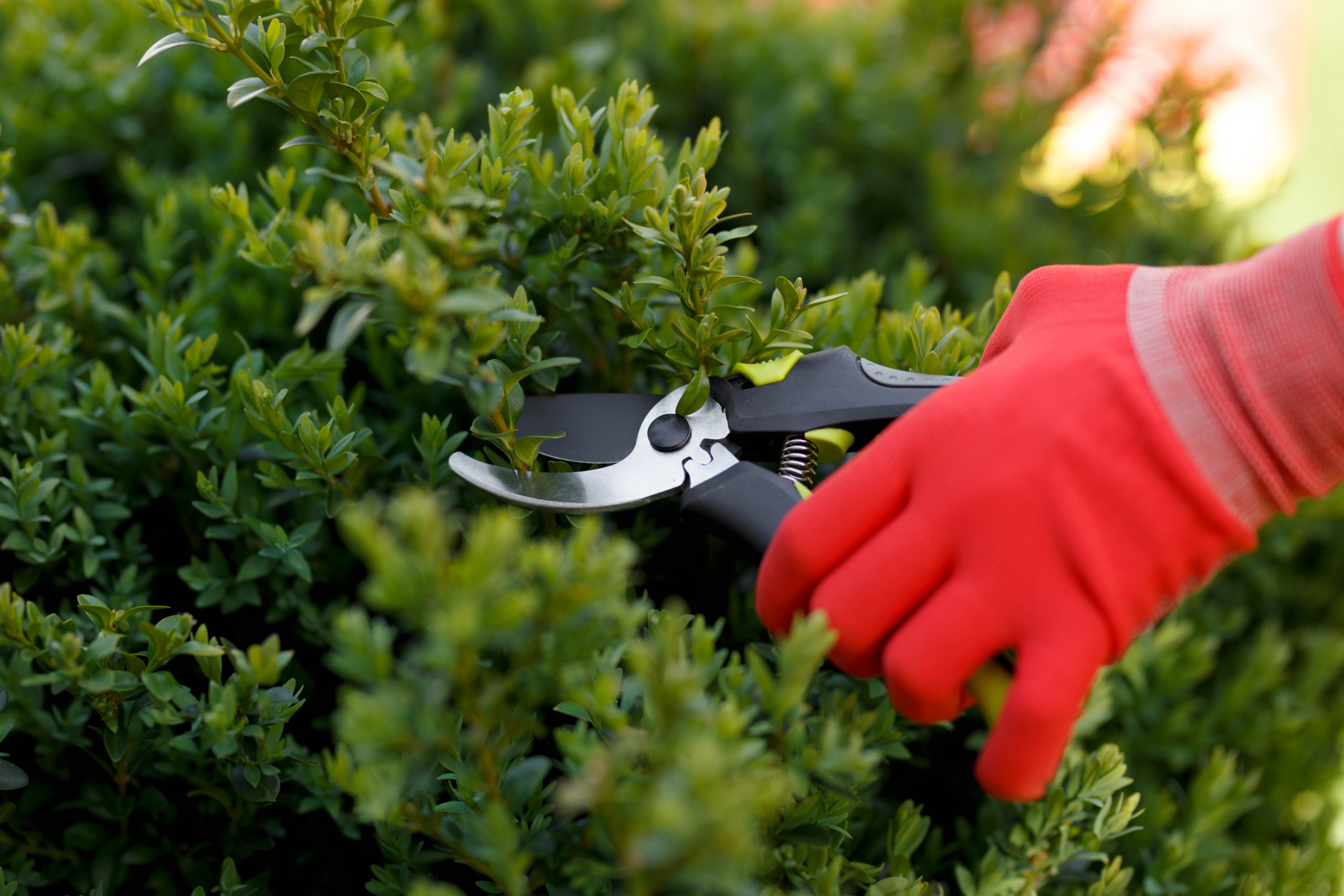
Trees are an important part of any landscape. They provide shade, improve air quality, increase property value, and create a more attractive outdoor space. Like any living plant, trees need regular care to stay healthy and continue growing properly. One of the most effective ways to support healthy growth is through proper tree trimming.
Many people think tree trimming is only done to improve appearance, but it has a much bigger purpose. Removing the right branches at the right time helps trees become stronger, healthier, and better able to withstand storms, diseases, and pests. It also encourages balanced growth and extends the life of the tree.
This guide explains how proper tree trimming encourages strong growth, why it matters, and how regular maintenance benefits both your trees and your property.
What Is Tree Trimming?
Tree trimming is the process of carefully removing selected branches to improve a tree’s health, structure, and appearance. The goal is not to remove as many branches as possible but to eliminate those that are dead, damaged, diseased, or growing in ways that may weaken the tree.
Proper trimming allows the tree to grow naturally while reducing unnecessary stress. Every cut should support the tree’s long-term health rather than simply changing its shape.
Why Tree Trimming Is Important
Trees continue growing throughout their lives, but they do not always grow in a healthy direction. Some branches become overcrowded, while others compete for sunlight or grow too close together.
Without regular trimming, these problems can become worse over time.
Proper trimming helps trees by:
- Encouraging healthy growth
- Improving branch structure
- Reducing safety hazards
- Increasing sunlight exposure
- Improving air circulation
- Lowering the risk of disease
- Removing weak or damaged limbs
Healthy trees are better prepared to grow strong year after year.
Removes Dead and Damaged Branches
Dead branches no longer contribute to the tree’s growth.
Instead, they can attract insects, spread disease, and become weak enough to fall during windy weather.
Removing these branches allows the tree to focus its energy on healthy growth rather than supporting damaged wood.
It also reduces the risk of falling limbs that could injure people or damage property.
Encourages Healthy New Growth
One of the biggest benefits of proper trimming is encouraging new growth.
When unhealthy branches are removed, the tree redirects nutrients and water to healthy limbs. This allows new leaves and branches to develop more efficiently.
Young trees especially benefit from regular trimming because it helps them build a strong framework as they mature.
Improves Sunlight Distribution
Sunlight is essential for healthy trees.
Leaves use sunlight to produce energy through photosynthesis. When a tree becomes overcrowded with branches, sunlight cannot reach every part of the canopy.
Proper trimming opens the canopy, allowing sunlight to reach more leaves.
Better sunlight exposure supports healthier foliage and stronger overall growth.
Increases Air Circulation
Trees with dense canopies often trap moisture after rain.
Poor airflow creates an environment where fungi and certain plant diseases can develop more easily.
Removing crowded branches improves air movement throughout the tree.
Better airflow helps leaves dry faster and supports a healthier growing environment.
Reduces the Risk of Disease
Diseased branches can spread problems throughout the tree if they remain in place.
Proper trimming removes infected limbs before diseases spread further.
Routine inspections during trimming also allow tree care professionals to identify early signs of disease before they become serious.
Healthy trees recover more easily when problems are addressed quickly.
Helps Prevent Insect Problems
Damaged wood attracts many insects that feed on weak or decaying branches.
Some common pests include:
- Beetles
- Carpenter ants
- Boring insects
- Caterpillars
Removing unhealthy branches reduces places where insects can live and reproduce.
A healthy tree is naturally more resistant to many pest problems.
Builds a Strong Tree Structure
Proper tree trimming improves the overall structure of the tree.
Weak branches, crossing limbs, and branches growing at poor angles can weaken the tree over time.
Removing these branches helps create a balanced canopy with stronger branch attachments.
A well-structured tree is less likely to suffer damage during storms.
Reduces Storm Damage
Storms place significant pressure on trees.
Weak or damaged branches often break first, creating hazards for homes, vehicles, and people.
Routine trimming removes branches that are most likely to fail.
This helps the tree better withstand strong winds and heavy rain.
Improves Tree Appearance
Healthy trees naturally look more attractive.
Removing dead or overcrowded branches allows the tree’s natural shape to stand out.
Instead of looking overgrown or uneven, the tree develops a cleaner and more balanced appearance.
A well-maintained landscape also improves the overall appearance of your property.
Supports Better Root Development
Healthy roots are essential for strong trees.
When unnecessary branches are removed, the tree uses its available nutrients more efficiently.
This balanced distribution of energy supports both healthy root systems and stronger branch growth.
Healthy roots provide the foundation that allows trees to remain stable for many years.
Makes Lawn Maintenance Easier
Low-hanging branches often interfere with mowing, landscaping, and outdoor activities.
Proper trimming creates more space beneath the tree.
This makes lawn care easier while improving visibility throughout the yard.
It also reduces the chance of damaging branches during routine maintenance.
Protects Nearby Structures
Trees growing close to homes or other buildings should be monitored regularly.
Overgrown branches may rub against roofs, fences, or siding.
Proper trimming keeps branches at a safe distance and reduces the chance of damage during storms.
It also prevents branches from growing into utility lines or blocking walkways.
Encourages Better Flower and Fruit Production
For flowering and fruit-producing trees, proper trimming often improves production.
Removing unhealthy branches allows more sunlight and nutrients to reach productive areas of the tree.
This may result in healthier blooms and better fruit development during the growing season.
Helps Young Trees Grow Properly
Young trees need guidance as they develop.
Early trimming helps establish:
- Strong branch spacing
- Balanced canopy development
- Healthy trunk growth
- Stable branch structure
Correcting growth early often prevents expensive problems later.
Prevents Future Problems
Small issues become larger over time.
Branches that cross each other may rub together, creating wounds that allow insects and disease to enter.
Weak branch attachments may eventually break as the tree grows.
Routine trimming identifies these problems early and helps prevent future damage.
When Is the Best Time to Trim Trees?
The ideal time depends on the tree species and its condition.
Many trees benefit from trimming during late winter or early spring before new growth begins.
However, dead, broken, or hazardous branches should be removed whenever they are discovered.
Regular inspections help determine when maintenance is needed.
Common Tree Trimming Mistakes
Improper trimming can weaken a healthy tree.
Some common mistakes include:
- Removing too many branches at once
- Cutting branches incorrectly
- Leaving branch stubs
- Topping the tree
- Using dull tools
- Ignoring damaged branches
Proper trimming techniques help trees heal naturally and continue growing.
Why Professional Tree Trimming Matters
Large trees require experience and proper equipment.
Incorrect pruning may permanently damage the tree or create unnecessary safety risks.
Professional tree care specialists understand:
- Correct pruning methods
- Branch structure
- Tree health
- Safe tree trimming practices
- Seasonal maintenance needs
Hiring experienced professionals helps protect both your trees and your property.
Frequently Asked Questions
How often should trees be trimmed?
Most mature trees benefit from trimming every three to five years. Younger trees may require more frequent care while developing their structure.
Does trimming help trees grow faster?
Tree trimming does not force faster growth, but it encourages healthier and stronger growth by directing energy toward healthy branches.
Can trimming improve tree health?
Yes. Removing dead, damaged, or diseased branches helps improve overall tree health and reduces stress.
Is trimming necessary for healthy trees?
Yes. Even healthy trees benefit from routine maintenance that improves structure, airflow, and long-term stability.
Can too much trimming harm a tree?
Yes. Removing too much of the canopy at one time can stress the tree and slow its recovery. Proper trimming removes only the branches that are necessary.
Final Thoughts
Proper tree trimming is one of the most valuable investments you can make in your landscape. It encourages strong growth, improves tree health, increases safety, and helps trees develop a stable structure that lasts for many years. Regular trimming also reduces the risk of disease, improves airflow, and creates a healthier environment for continued growth.
Whether you have young trees or mature shade trees, routine maintenance plays an important role in keeping them healthy and attractive. Addressing small issues early often prevents larger problems in the future and helps your landscape remain beautiful throughout the year.
A professional Tree Trimming company Florida can evaluate the condition of your trees and recommend the right care for each species. Regular inspections and proper trimming techniques help support healthy growth while protecting your property. Choosing experienced tree care professionals ensures your trees receive the attention they need to stay strong, safe, and beautiful for years to come.


 The Unmute
 Imathew Jaxson