Why Stump Grinding Is Better Than Leaving a Tree Stump

Removing a tree is often only part of the job. After the tree is cut down, the stump is left behind. Some homeowners choose to leave it in place because it seems harmless or because they plan to deal with it later. However, an old tree stump can create several problems over time. It can affect the appearance of your yard, attract unwanted pests, create safety hazards, and make lawn care more difficult.

Stump grinding is one of the most effective ways to remove the remaining stump without causing unnecessary damage to your landscape. It helps restore your outdoor space while reducing many of the issues that come with leaving a stump in the ground.

This guide explains why stump grinding is a better choice and answers common questions homeowners have before making a decision.

What Is Stump Grinding?

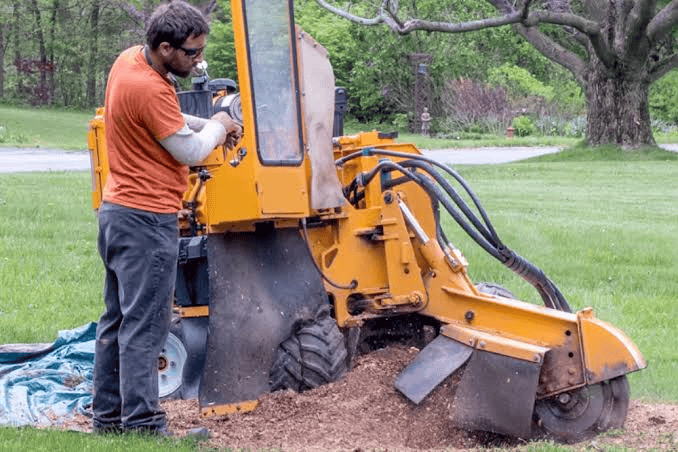
Stump grinding is the process of removing a tree stump by using a specialized machine that grinds the wood into small wood chips. Instead of digging out the entire root system, the machine removes the visible stump below ground level.

The remaining wood chips can often be reused as mulch or removed, depending on your landscaping plans. Since the roots remain underground and naturally break down over time, stump grinding is usually less disruptive than full stump removal.

Why Do Some People Leave Tree Stumps?

After tree removal, some homeowners decide to leave the stump because it does not seem urgent. Common reasons include:

  • Saving money after tree removal
  • Planning future landscaping work
  • Thinking the stump will naturally disappear
  • Using the stump as part of the landscape

While these reasons may seem reasonable, most tree stumps become more troublesome as time passes.

Problems Caused by Leaving a Tree Stump

It Can Become a Safety Hazard

A tree stump can easily become something people trip over. Children playing in the yard, guests walking through the property, or anyone mowing the lawn may not notice the stump until it is too late.

This risk becomes even greater when grass grows around the stump and partially hides it.

Removing the stump helps create a safer outdoor space for everyone.

Tree Stumps Attract Insects

Old stumps slowly decay. As the wood begins to break down, it becomes an attractive home for insects.

Common pests include:

  • Termites
  • Carpenter ants
  • Beetles
  • Wood boring insects

These pests may eventually move from the stump to nearby trees, fences, sheds, or even your home.

Grinding the stump reduces the chance of insects settling in your yard.

Decaying Stumps Can Spread Disease

If the tree was removed because of disease, leaving the stump behind may allow fungi or harmful organisms to remain in the soil.

Some diseases can spread through root systems or nearby trees, putting healthy plants at risk.

Removing the visible stump helps reduce this concern and supports a healthier landscape.

Lawn Maintenance Becomes Harder

Tree stumps often make regular yard work more difficult.

You may have trouble:

  • Mowing around the stump
  • Trimming grass nearby
  • Planting flowers
  • Installing new landscaping

Every mowing season becomes more frustrating when you have to work around an obstacle in the middle of the yard.

Stump grinding clears the area and makes lawn care much easier.

Tree Roots May Continue to Produce Growth

Some tree species continue sending up small shoots after the tree has been cut down.

These new sprouts can appear around the old stump or nearby roots.

Although they may seem harmless, they use nutrients from the remaining root system and create additional maintenance.

Grinding the stump helps stop this unwanted growth.

Stumps Affect the Appearance of Your Yard

A freshly maintained yard looks much better without an old stump sitting in the middle of it.

Even a healthy lawn can look unfinished when a large stump remains.

Removing it creates a cleaner appearance and provides more usable outdoor space.

It Creates More Space

A stump limits how you use your yard.

After stump grinding, you may choose to:

  • Plant new grass
  • Install a flower bed
  • Build a patio
  • Add outdoor seating
  • Expand your garden
  • Create more play space

Removing the stump gives you greater flexibility for future landscaping projects.

Stump Grinding Is Less Disruptive Than Full Removal

Many homeowners wonder whether they should choose stump grinding or complete stump removal.

Stump grinding offers several advantages.

Less Damage to the Yard

Full stump removal requires digging out the stump and major roots. This creates a large hole and disturbs nearby plants.

Grinding removes the stump while leaving most of the surrounding landscape intact.

Faster Process

Most stump grinding jobs can be completed relatively quickly depending on the stump size.

There is less digging and cleanup compared to complete removal.

Easier Cleanup

The leftover wood chips are simple to manage and may even be used as mulch around trees and garden beds.

Does Stump Grinding Remove the Roots?

Not completely.

Stump grinding removes the stump itself and a portion below ground level.

The remaining roots stay underground and naturally decompose over time.

In most residential situations, this provides an effective long-term solution without extensive excavation.

Can You Plant Another Tree?

Yes.

However, planting directly where the old stump stood may not always be ideal because of the remaining roots.

Many homeowners choose a nearby location for the new tree or completely prepare the area with fresh soil before replanting.

What Happens to the Wood Chips?

The grinding process creates wood chips that can be used in several ways.

They may be:

  • Spread as mulch
  • Added to garden beds
  • Used around trees
  • Removed from the property if preferred

Using the chips as mulch can help retain soil moisture and reduce weed growth.

Is Stump Grinding Environmentally Friendly?

In many situations, yes.

The process leaves much of the soil undisturbed and avoids large excavation work.

The wood chips can also be reused around the landscape instead of being thrown away.

This makes stump grinding a practical option for many homeowners.

When Should You Schedule Stump Grinding?

There is no need to wait months after tree removal.

Grinding the stump soon after the tree is removed helps prevent:

  • Pest infestations
  • New tree sprouts
  • Lawn maintenance issues
  • Trip hazards
  • Ongoing decay

Taking care of the stump early often saves time and effort later.

Is Every Stump Suitable for Grinding?

Most residential tree stumps can be ground successfully.

The exact process depends on factors such as:

  • Tree size
  • Tree species
  • Stump location
  • Nearby utilities
  • Landscaping features

A professional assessment helps determine the safest approach.

Frequently Asked Questions

How deep does stump grinding go?

Most stump grinding removes the stump several inches below ground level. The exact depth depends on your landscaping plans and the size of the stump.

Will the stump grow back?

In many cases, grinding greatly reduces the chance of regrowth. Some tree species naturally produce new shoots, but removing the stump helps prevent ongoing growth.

How long do the roots last underground?

The remaining roots gradually break down over several years. The timing depends on the tree species and soil conditions.

Can grass grow where the stump was?

Yes. Once the area is filled with soil and properly prepared, new grass can usually be planted successfully.

Is stump grinding better than digging out the stump?

For many homeowners, yes. It causes less damage to the yard, requires less excavation, and provides an effective solution for removing the visible stump.

Final Thoughts

Leaving a tree stump behind may seem like a small issue at first, but it can create several problems over time. It may become a safety hazard, attract insects, make lawn care more difficult, reduce usable yard space, and affect the overall appearance of your landscape.

Stump grinding offers a practical and efficient way to remove the stump while minimizing disruption to your property. It helps improve safety, supports healthier landscaping, and makes future outdoor projects much easier.

For homeowners who want a cleaner and more functional yard, stump grinding is often the better long-term choice.

Palm Beach Arbor provides professional stump grinding services with careful attention to your landscape. The team helps homeowners remove unwanted stumps safely and efficiently. Whether you are improving your yard after tree removal or preparing for a new landscaping project, Palm Beach Arbor offers dependable service that helps keep your outdoor space clean, safe, and ready for the future.

Freya Parker

Hi, I’m Freya Parker, a car expert from Melbourne. I share simple, practical advice to help you sell your car with confidence and get the best value.

Related Posts

Окна в Москве после установки: пять фраз, которые лучше не произносить через месяц

Представим, что ремонт закончен. Новые окна в москве уже установлены, откосы готовы, мебель вернулась на свои места, строительная пыль убрана. Технически всё работает, но через несколько недель хозяева начинают замечать…

The modern corporate landscape is moving faster than ever. Between the rapid adoption of automation, shifting workplace values across generations, and the constant demand for operational efficiency, human resource leaders face a critical challenge: How do you build a workforce that doesn’t just keep up, but actively drives market growth? Many organizations pour significant portions of their annual budget into standard, off-the-shelf workshops. Yet, a few weeks after the session, employees often slip right back into old habits. The truth is that generic training fails because it treats unique business ecosystems with a one-size-fits-all brush. To see a genuine return on your investment, your upskilling strategy needs to be as dynamic and tailored as your business goals. Here is a look at why traditional training models are broken, and how modern organizations are restructuring their learning and development (L&D) strategies for lasting success. The Pitfall of the “One-Size-Fits-All” Workshop Every organization features its own distinct internal culture, operational pain points, and cross-functional friction. When you deploy a rigid, pre-packaged training program, it fails to address the specific day-to-day challenges your employees experience on the ground. True workforce capability development requires a partner capable of building a custom architecture. Working with a dedicated provider to engineer customised corporate training solutions ensures that every module is directly aligned with your operational priorities, industry vertical, and specific skill gaps. Bridging the Leadership Gap for First-Time Managers One of the most frequent organizational missteps is promoting an exceptional technical performer or individual contributor to a managerial role without providing a proper transition framework. Managing people requires an entirely different skill set than managing tasks. Without targeted development, new leaders often struggle with delegation, team motivation, and constructive feedback loops. Implementing a structured first-time managers training program bridges this gap early, equipping emerging leaders with the behavioral tools they need to reduce team turnover and maintain high performance. For organizations aiming to cultivate long-term strategic vision at executive levels, a comprehensive leadership development program in India ensures your leadership pipeline remains robust and future-ready. Beyond Technical Know-How: The Power of Behavioral and Soft Skills Technical expertise can get your foot in the door, but behavioral alignment and communication keep the business moving forward. From handling high-stakes client negotiations to managing workplace conflict, soft skills are the silent engine of productivity. A modern L&D strategy must treat these competencies as measurable, essential skills. Investing in professional soft skills training services and targeted corporate behavioral skills training directly impacts how your teams collaborate across departments, leading to fewer project bottlenecks and smoother execution. Activating Engagement Through Experiential Learning Sitting in a conference room staring at slide decks rarely inspires behavioral change. For teams to truly absorb organizational values and learn how to collaborate under pressure, they need to experience it. This is why forward-thinking organizations are moving toward experiential models. Utilizing structured corporate team building programs or getting teams out of the office for corporate outbound & OBT training program services places employees in dynamic, hands-on scenarios. These environments break down workplace silos, build trust, and teach real-time problem-solving far more effectively than traditional lectures. Scaling Consistency Across PAN-India Operations For enterprises with regional offices, manufacturing plants, or distributed teams across the country, maintaining a uniform standard of training is incredibly difficult. Local nuances, varying trainer quality, and logistical hurdles often lead to an fragmented learning experience. To counter this, scaling organizations require a partner with deep infrastructural reach. Partnering with an organization capable of executing PAN India training projects ensures that whether your employees are based in Delhi-NCR, Mumbai, or remote locations, they receive the exact same high standard of content delivery and facilitator expertise. The Bottom Line Training shouldn’t be a check-the-box exercise to fill an HR calendar. It is a strategic business driver. When you shift away from generic presentations and focus on customized, behavior-driven learning paths, you don’t just train your employees—you elevate your entire organizational capability. If you are looking to audit your current workforce capabilities and design a high-impact learning intervention, explore the tailored programs offered by Talent Sapphire, a premier corporate training company in India dedicated to transforming organizational performance from the ground up.

The modern corporate landscape is moving faster than ever. Between the rapid adoption of automation, shifting workplace values across generations, and the constant demand for operational efficiency, human resource leaders…

Leave a Reply

Your email address will not be published. Required fields are marked *

You Missed

Compare Your Fare Across Airlines and Find Affordable Flights

Compare Your Fare Across Airlines and Find Affordable Flights

California Cannabis Delivery: Convenience, Selection, and What to Know

Окна в Москве после установки: пять фраз, которые лучше не произносить через месяц

Окна в Москве после установки: пять фраз, которые лучше не произносить через месяц

The modern corporate landscape is moving faster than ever. Between the rapid adoption of automation, shifting workplace values across generations, and the constant demand for operational efficiency, human resource leaders face a critical challenge: How do you build a workforce that doesn’t just keep up, but actively drives market growth? Many organizations pour significant portions of their annual budget into standard, off-the-shelf workshops. Yet, a few weeks after the session, employees often slip right back into old habits. The truth is that generic training fails because it treats unique business ecosystems with a one-size-fits-all brush. To see a genuine return on your investment, your upskilling strategy needs to be as dynamic and tailored as your business goals. Here is a look at why traditional training models are broken, and how modern organizations are restructuring their learning and development (L&D) strategies for lasting success. The Pitfall of the “One-Size-Fits-All” Workshop Every organization features its own distinct internal culture, operational pain points, and cross-functional friction. When you deploy a rigid, pre-packaged training program, it fails to address the specific day-to-day challenges your employees experience on the ground. True workforce capability development requires a partner capable of building a custom architecture. Working with a dedicated provider to engineer customised corporate training solutions ensures that every module is directly aligned with your operational priorities, industry vertical, and specific skill gaps. Bridging the Leadership Gap for First-Time Managers One of the most frequent organizational missteps is promoting an exceptional technical performer or individual contributor to a managerial role without providing a proper transition framework. Managing people requires an entirely different skill set than managing tasks. Without targeted development, new leaders often struggle with delegation, team motivation, and constructive feedback loops. Implementing a structured first-time managers training program bridges this gap early, equipping emerging leaders with the behavioral tools they need to reduce team turnover and maintain high performance. For organizations aiming to cultivate long-term strategic vision at executive levels, a comprehensive leadership development program in India ensures your leadership pipeline remains robust and future-ready. Beyond Technical Know-How: The Power of Behavioral and Soft Skills Technical expertise can get your foot in the door, but behavioral alignment and communication keep the business moving forward. From handling high-stakes client negotiations to managing workplace conflict, soft skills are the silent engine of productivity. A modern L&D strategy must treat these competencies as measurable, essential skills. Investing in professional soft skills training services and targeted corporate behavioral skills training directly impacts how your teams collaborate across departments, leading to fewer project bottlenecks and smoother execution. Activating Engagement Through Experiential Learning Sitting in a conference room staring at slide decks rarely inspires behavioral change. For teams to truly absorb organizational values and learn how to collaborate under pressure, they need to experience it. This is why forward-thinking organizations are moving toward experiential models. Utilizing structured corporate team building programs or getting teams out of the office for corporate outbound & OBT training program services places employees in dynamic, hands-on scenarios. These environments break down workplace silos, build trust, and teach real-time problem-solving far more effectively than traditional lectures. Scaling Consistency Across PAN-India Operations For enterprises with regional offices, manufacturing plants, or distributed teams across the country, maintaining a uniform standard of training is incredibly difficult. Local nuances, varying trainer quality, and logistical hurdles often lead to an fragmented learning experience. To counter this, scaling organizations require a partner with deep infrastructural reach. Partnering with an organization capable of executing PAN India training projects ensures that whether your employees are based in Delhi-NCR, Mumbai, or remote locations, they receive the exact same high standard of content delivery and facilitator expertise. The Bottom Line Training shouldn’t be a check-the-box exercise to fill an HR calendar. It is a strategic business driver. When you shift away from generic presentations and focus on customized, behavior-driven learning paths, you don’t just train your employees—you elevate your entire organizational capability. If you are looking to audit your current workforce capabilities and design a high-impact learning intervention, explore the tailored programs offered by Talent Sapphire, a premier corporate training company in India dedicated to transforming organizational performance from the ground up.

The modern corporate landscape is moving faster than ever. Between the rapid adoption of automation, shifting workplace values across generations, and the constant demand for operational efficiency, human resource leaders face a critical challenge: How do you build a workforce that doesn’t just keep up, but actively drives market growth?  Many organizations pour significant portions of their annual budget into standard, off-the-shelf workshops. Yet, a few weeks after the session, employees often slip right back into old habits.  The truth is that generic training fails because it treats unique business ecosystems with a one-size-fits-all brush. To see a genuine return on your investment, your upskilling strategy needs to be as dynamic and tailored as your business goals.  Here is a look at why traditional training models are broken, and how modern organizations are restructuring their learning and development (L&D) strategies for lasting success.  The Pitfall of the “One-Size-Fits-All” Workshop Every organization features its own distinct internal culture, operational pain points, and cross-functional friction. When you deploy a rigid, pre-packaged training program, it fails to address the specific day-to-day challenges your employees experience on the ground. True workforce capability development requires a partner capable of building a custom architecture. Working with a dedicated provider to engineer customised corporate training solutions ensures that every module is directly aligned with your operational priorities, industry vertical, and specific skill gaps.  Bridging the Leadership Gap for First-Time Managers One of the most frequent organizational missteps is promoting an exceptional technical performer or individual contributor to a managerial role without providing a proper transition framework. Managing people requires an entirely different skill set than managing tasks. Without targeted development, new leaders often struggle with delegation, team motivation, and constructive feedback loops. Implementing a structured first-time managers training program bridges this gap early, equipping emerging leaders with the behavioral tools they need to reduce team turnover and maintain high performance. For organizations aiming to cultivate long-term strategic vision at executive levels, a comprehensive leadership development program in India ensures your leadership pipeline remains robust and future-ready.  Beyond Technical Know-How: The Power of Behavioral and Soft Skills Technical expertise can get your foot in the door, but behavioral alignment and communication keep the business moving forward. From handling high-stakes client negotiations to managing workplace conflict, soft skills are the silent engine of productivity. A modern L&D strategy must treat these competencies as measurable, essential skills. Investing in professional soft skills training services and targeted corporate behavioral skills training directly impacts how your teams collaborate across departments, leading to fewer project bottlenecks and smoother execution.  Activating Engagement Through Experiential Learning Sitting in a conference room staring at slide decks rarely inspires behavioral change. For teams to truly absorb organizational values and learn how to collaborate under pressure, they need to experience it. This is why forward-thinking organizations are moving toward experiential models. Utilizing structured corporate team building programs or getting teams out of the office for corporate outbound & OBT training program services places employees in dynamic, hands-on scenarios. These environments break down workplace silos, build trust, and teach real-time problem-solving far more effectively than traditional lectures.  Scaling Consistency Across PAN-India Operations For enterprises with regional offices, manufacturing plants, or distributed teams across the country, maintaining a uniform standard of training is incredibly difficult. Local nuances, varying trainer quality, and logistical hurdles often lead to an fragmented learning experience. To counter this, scaling organizations require a partner with deep infrastructural reach. Partnering with an organization capable of executing PAN India training projects ensures that whether your employees are based in Delhi-NCR, Mumbai, or remote locations, they receive the exact same high standard of content delivery and facilitator expertise.  The Bottom Line Training shouldn’t be a check-the-box exercise to fill an HR calendar. It is a strategic business driver. When you shift away from generic presentations and focus on customized, behavior-driven learning paths, you don’t just train your employees—you elevate your entire organizational capability.  If you are looking to audit your current workforce capabilities and design a high-impact learning intervention, explore the tailored programs offered by Talent Sapphire, a premier corporate training company in India dedicated to transforming organizational performance from the ground up.

What Great PTO Services Look Like for Solar Installers

What Great PTO Services Look Like for Solar Installers

BB Glow Cream for a Fresh and Luminous Look