black out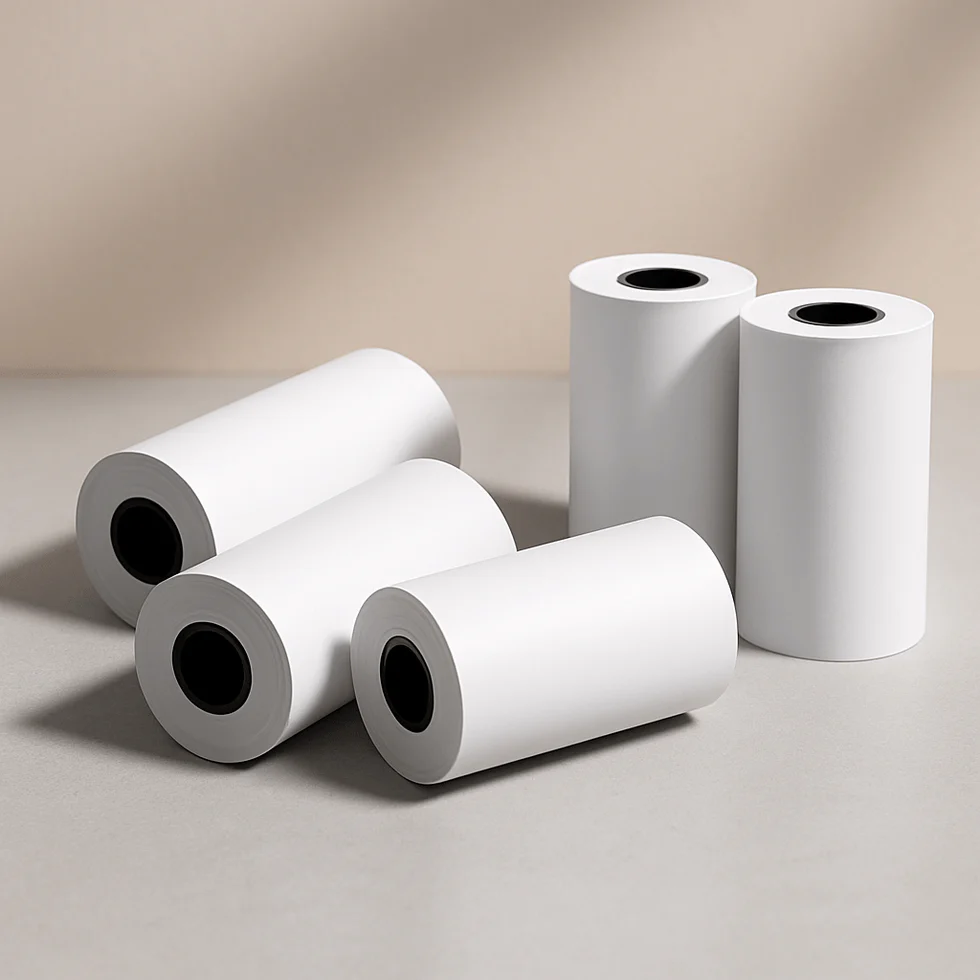
A Smart Guide for Businesses
A reliable thermal printer roll helps businesses print clear receipts, order slips, tickets, and transaction records without using ink. It is widely used in retail stores, restaurants, cafés, pharmacies, supermarkets, warehouses, and service counters.
Choosing the correct paper roll may seem simple, but the wrong size or poor-quality paper can lead to faded printing, paper jams, and wasted supplies. Understanding roll sizes, paper quality, storage, and printer compatibility can help your business save time and maintain professional service.
What Is a Thermal Printer Roll?
A thermal printer roll is a special paper roll coated with heat-sensitive chemicals. When it passes through a thermal printer, heat activates the coating and creates text, numbers, barcodes, or images.
Unlike standard printers, thermal printers do not need ink cartridges, toner, or ribbons. This makes them fast, quiet, and easy to maintain.
Common Uses of Thermal Paper
- Retail receipts
- Restaurant orders
- Card payment receipts
- Queue tickets
- Parking tickets
- Delivery notes
- Medical records
- Barcode labels
- Point of sale transactions
The paper must match the printer’s width, roll diameter, and core size. Using the wrong roll can stop the printer from working correctly.
Why Thermal Printer Roll Quality Matters
Not every paper roll offers the same level of performance. Low-quality paper may look cheaper, but it can cause printing problems and damage the printer over time.
A high-quality thermal printer roll produces sharp, readable text and moves smoothly through the machine. This is especially important in busy businesses where printers are used throughout the day.
Clear and Professional Printing
Customers need receipts that are easy to read. Clear printing makes prices, dates, taxes, and payment details visible.
Good-quality thermal paper also helps barcodes and QR codes scan correctly. Poor printing may create delays during returns, deliveries, or stock checks.
Faster Business Operations
Thermal printers are designed for speed. The right paper allows receipts and tickets to print quickly without frequent interruptions.
Business Benefits
- Reduce customer waiting time
- Complete more transactions
- Avoid paper jams
- Improve checkout efficiency
- Reduce staff frustration
Lower Maintenance Costs
A smooth and properly coated paper roll creates less dust inside the printer. Excessive paper dust can affect the print head and other internal parts.
Using a reliable roll can reduce cleaning needs and support a longer printer life.
How to Choose the Right Thermal Printer Roll
Before buying thermal paper, check the printer manual or the details printed inside the paper compartment. You can also measure an old roll that fits correctly.
Check the Paper Width
The paper width is one of the most important measurements. It refers to the distance from one side of the paper to the other.
Common Paper Widths
- 57mm
- 58mm
- 76mm
- 80mm
- 110mm
A narrow roll will move around inside a wider printer, while an oversized roll may not fit at all.
Measure the Roll Diameter
The diameter tells you how large the complete roll is. A larger roll contains more paper, but it also needs more space inside the printer.
Compact card machines often use small rolls. Retail and restaurant printers usually accept larger rolls for longer use between replacements.
Confirm the Core Size
The core is the small tube in the centre of the roll. Some printers support different core sizes, while others require a specific measurement.
Always confirm the core diameter before placing a bulk order.
Look at the Paper Length
Two rolls may have the same width and diameter but contain different amounts of paper. Thin paper can provide more length on each roll.
However, extremely thin paper may tear easily or produce weak print results. Choose a balanced option that offers both durability and value.
Test Printer Compatibility
A thermal printer roll must be suitable for the exact printer type. Some machines use direct thermal paper, while others use thermal transfer printing with a ribbon.
Direct thermal paper reacts to heat. Thermal transfer printers use a heated ribbon to place ink onto paper or labels. These materials are not always interchangeable.
Common Thermal Paper Roll Sizes
Different industries use different roll sizes depending on their equipment and printing needs.
57mm and 58mm Rolls
These rolls are commonly used in card payment terminals, handheld printers, calculators, and compact point of sale systems.
They are lightweight, portable, and suitable for short receipts.
80mm Rolls
The 80mm thermal printer roll is widely used in restaurants, retail shops, supermarkets, and hospitality businesses.
What an 80mm Roll Can Print
- Detailed receipts
- Company logos
- Product lists
- VAT information
- Promotional messages
- QR codes
Larger Thermal Rolls
Wider rolls may be used for medical equipment, industrial printers, kiosks, and specialised ticketing systems.
Always check the machine specifications because larger equipment may require custom measurements.
How to Store Thermal Printer Rolls Properly
Thermal paper is sensitive to heat, light, moisture, oils, and some chemicals. Poor storage can cause the paper to darken or lose its ability to print clearly.
Thermal Paper Storage Tips
- Keep rolls in a cool and dry place
- Avoid direct sunlight
- Keep them away from heaters
- Store them inside their original packaging
- Avoid contact with oils and cleaning products
- Do not place heavy objects on the rolls
- Use older stock before newly purchased stock
When long-term records are needed, printed receipts should also be kept away from direct sunlight and heat.
Benefits of Buying Thermal Rolls in Bulk
Businesses that print many receipts can reduce costs by ordering paper in larger quantities.
Advantages of Bulk Purchasing
- Lower cost per roll
- Fewer emergency orders
- Consistent paper quality
- Better stock availability
- Reduced delivery charges
- Smoother daily operations
Before buying in bulk, test a small quantity to confirm the size, quality, and printer compatibility.
Learn more about choosing reliable equipment for smoother payments and faster daily transactions.
Explore our useful guide to managing business supplies and reducing unnecessary operating costs.
Frequently Asked Questions
Does a Thermal Printer Roll Need Ink?
No. Direct thermal paper uses a heat-sensitive coating, so the printer does not require ink, toner, or a printing ribbon.
How Can I Tell If a Paper Roll Is Thermal?
Scratch the paper firmly with your fingernail. If the scratched area turns dark, it is most likely thermal paper.
What Is the Most Common Thermal Paper Size?
The 80mm roll is widely used in retail and hospitality, while 57mm and 58mm rolls are common in compact card machines.
Why Is My Receipt Printing Faded?
Faded printing may be caused by low-quality paper, an old roll, a dirty print head, incorrect paper placement, or weak printer settings.
Can Thermal Paper Expire?
Thermal paper can lose quality over time, especially when exposed to heat, moisture, sunlight, or chemicals. Proper storage helps extend its useful life.
Key Takeaways
Choosing the right thermal printer roll helps businesses produce clear receipts, reduce printer issues, and improve checkout speed. The roll must match the printer’s width, diameter, core size, and printing method.
Good-quality thermal paper can also reduce dust, prevent jams, and protect the printer’s internal parts. Before ordering, check your equipment carefully and test the paper to ensure smooth, reliable performance.
Learn more about the equipment that can help improve your daily business operations.


 author11uytre Sandyroy0987654ew
 The Unmute