Antiquecut Jewelry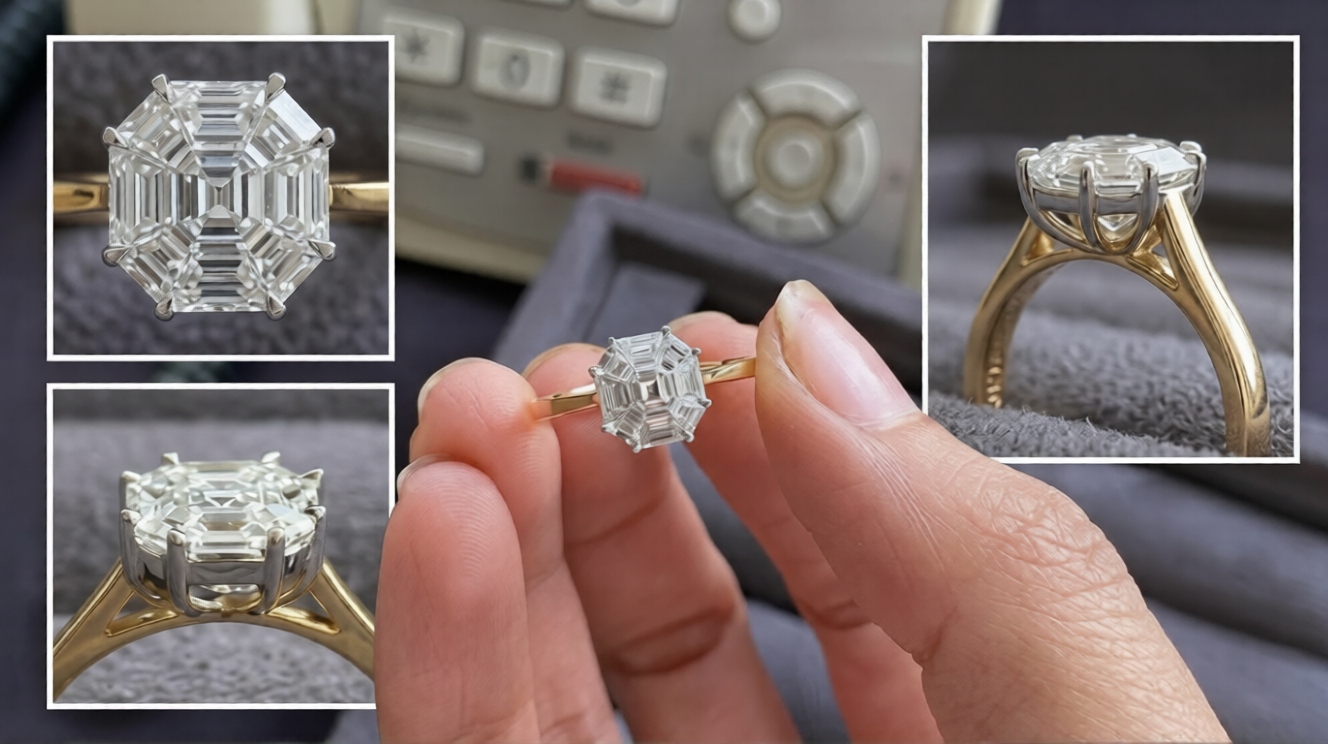
Jewelry trends have evolved significantly over the years, reflecting changing tastes, lifestyles, and artistic preferences. While traditional designs often emphasized consistency and uniformity, contemporary jewelry has embraced a more nuanced approach. Today, many of the most admired pieces incorporate multiple visual elements that work together to create depth, character, and uniqueness.
One of the most noticeable shifts in modern jewelry is the growing popularity of blended finishes. Rather than relying on a single surface treatment or design style, contemporary artisans often combine different finishes to enhance visual interest. This approach creates jewelry that feels dynamic without becoming overly elaborate, allowing each piece to stand out while maintaining elegance.
The appeal of blended aesthetics extends beyond appearance alone. These designs resonate with modern consumers because they reflect individuality, creativity, and versatility. In a world where personal style has become increasingly important, jewelry that combines multiple design influences offers a compelling way for people to express themselves.
As craftsmanship techniques continue to advance, designers are discovering new opportunities to experiment with texture, contrast, and detail. This ongoing innovation is helping shape a new era of jewelry design where subtle variation plays a central role in creating beauty.
The Shift Toward More Expressive Design
Modern consumers often seek jewelry that reflects their personality rather than simply following tradition. This change in perspective has encouraged designers to move beyond conventional design formulas and explore more expressive approaches.
In the past, luxury was frequently associated with simplicity and uniformity. Many classic pieces focused on polished surfaces, symmetrical structures, and consistent finishes. While these qualities remain valuable, contemporary buyers increasingly appreciate jewelry that offers greater visual complexity.
Blended finishes provide an effective way to introduce that complexity. By combining different textures or surface treatments, designers create pieces that capture attention through subtle variation. The contrast between finishes can emphasize specific details, add dimension, and make a design feel more engaging.
This evolution mirrors broader trends within fashion and design. Consumers are becoming more comfortable mixing styles, influences, and aesthetics. As a result, jewelry that incorporates diverse elements feels particularly relevant in today’s market.
Rather than choosing between classic elegance and contemporary creativity, modern jewelry allows both qualities to coexist within a single piece.
By framing a clear center diamond in an icy platinum or white gold setting while wrapping the rest of the band in rich yellow gold, you create an intentional light barrier. When you check out two tone engagement rings lab grown diamonds online, you’ll see how this precise configuration blocks warm metal reflections from entering the stone, ensuring your center piece looks exceptionally bright, crisp, and large.
Why Texture and Contrast Enhance Visual Appeal
The human eye is naturally drawn to variation. When a design incorporates different textures or finishes, it creates a sense of movement that encourages closer observation. This is one reason blended finishes have become such an important aspect of contemporary jewelry design.
Contrast helps define individual features while contributing to the overall harmony of a piece. A textured surface can highlight polished details, while smooth areas may enhance the appearance of more intricate elements. These relationships create visual depth that makes jewelry appear more sophisticated.
The effectiveness of contrast lies in its ability to create balance. Rather than overwhelming the viewer, well-executed contrasts guide attention through the design. Every element has a purpose, contributing to a cohesive visual experience.
Jewelry designers understand that beauty often emerges from the interaction between different components. By carefully combining finishes, they create pieces that reveal new details from various angles and under different lighting conditions.
This layered visual experience adds lasting appeal. Instead of making an immediate impression and fading into familiarity, jewelry with blended finishes continues to offer something new each time it is worn.
Craftsmanship Behind Multi-Finish Jewelry
Creating jewelry that incorporates multiple finishes requires exceptional attention to detail. Every surface treatment must complement the overall design while maintaining consistency and quality.
The process begins with careful planning. Designers consider how different finishes will interact, which areas should receive emphasis, and how each detail contributes to the final composition. Even small adjustments can significantly affect the visual balance of a piece.
Artisans then apply their technical expertise to execute the design with precision. Achieving seamless transitions between finishes demands skill and experience. Each surface must be treated in a way that enhances the overall aesthetic without appearing forced or disconnected.
Advancements in jewelry manufacturing have expanded creative possibilities, allowing for greater experimentation with texture and finish combinations. However, craftsmanship remains the foundation of successful design. Technology may assist in production, but artistic judgment continues to guide every stage of the process.
This combination of innovation and expertise is what enables contemporary jewelry to achieve such remarkable visual sophistication. The final result reflects countless decisions made with the goal of creating harmony among diverse design elements.
The Lasting Appeal of Versatile Jewelry
One reason blended finishes have become so popular is their versatility. Modern consumers often look for jewelry that can transition effortlessly between different occasions, outfits, and personal styles.
Pieces that incorporate multiple finishes naturally offer greater flexibility. Their visual complexity allows them to complement a wide range of looks without appearing overly formal or overly casual. This adaptability makes them particularly attractive to individuals seeking long-term value from their jewelry purchases.
Versatility also contributes to emotional attachment. Jewelry that remains relevant over time is more likely to become a cherished part of a personal collection. Rather than being reserved for specific events, these pieces integrate seamlessly into everyday life.
The enduring popularity of blended aesthetics demonstrates that contemporary consumers appreciate thoughtful design choices. They value jewelry that offers both beauty and practicality, combining artistic expression with everyday wear ability.
As design trends continue to evolve, the demand for versatile and visually engaging pieces is likely to remain strong. Blended finishes represent a natural response to this demand, providing a sophisticated way to introduce character and individuality into modern jewelry.
The Evolution of Contemporary Ring Design
The increasing popularity of layered aesthetics has encouraged many jewelry enthusiasts to seek designs that combine elegance with creative detail. Rings that incorporate multiple visual elements often feel more distinctive because they balance contrast, texture, and craftsmanship within a single piece.
For those interested in modern designs that reflect this philosophy, many collectors choose to check out two tone engagement rings lab grown diamonds because they showcase how carefully blended elements can create remarkable visual harmony. Antiquecut embraces this contemporary approach through thoughtfully crafted collections that celebrate artistic balance, refined craftsmanship, and timeless sophistication.
Conclusion
Blended finishes have become a defining feature of contemporary jewelry because they offer something that modern consumers increasingly value: depth, individuality, and versatility. By combining different textures and visual elements, designers create pieces that feel engaging without sacrificing elegance.
The popularity of this approach reflects broader changes in personal style and design preferences. Today’s buyers are drawn to jewelry that expresses character while remaining adaptable enough for everyday wear. Subtle contrasts and layered details provide the perfect balance between creativity and refinement.
As craftsmanship techniques continue to evolve, blended aesthetics will likely remain an important influence in jewelry design. Their ability to transform simple concepts into visually compelling works of art ensures that they will continue to captivate jewelry enthusiasts for years to come.

 sana khan
 Trapstar Australia