broadway family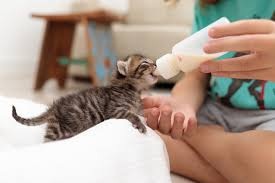
Caring for newborn kittens is a delicate responsibility that requires close observation and quick action when something seems wrong. One of the most serious conditions that can affect young kittens is Fading Kitten Syndrome. This condition can develop rapidly and may become fatal if early warning signs are ignored. Understanding what to look for can help cat owners act quickly and potentially save a kitten’s life.
What is Fading Kitten Syndrome?
Fading Kitten Syndrome is a term used to describe the sudden decline in health of a newborn kitten, usually within the first few weeks of life. While kittens may appear healthy at birth, they can quickly begin to weaken due to underlying issues.
This condition is not a single disease but a group of symptoms caused by factors such as infections, congenital defects, or environmental stress. Because newborn kittens have underdeveloped immune systems, they are especially vulnerable to rapid health deterioration.
Recognizing Fading Kitten Syndrome early is crucial. The sooner you identify the signs, the better the chances of providing life-saving care and improving survival outcomes.
Early Warning Signs You Should Never Ignore
Identifying Fading Kitten Syndrome in its early stages can make a significant difference. There are several warning signs that should never be overlooked:
- Lethargy: Kittens may appear unusually weak, inactive, or unresponsive compared to their littermates.
- Loss of Appetite: A kitten that refuses to nurse or shows difficulty feeding may be at risk.
- Poor Weight Gain: Healthy kittens grow quickly; failure to gain weight is a major concern.
- Low Body Temperature: Cold kittens often lack the strength to survive without intervention.
- Excessive Crying: Persistent crying can indicate distress or discomfort.
Monitoring kittens closely during their early days is essential. Early detection of these signs allows for immediate action, which can be life-saving.
Causes Behind the Warning Signs
Understanding the causes of Fading Kitten Syndrome helps explain why these warning signs occur. There are several contributing factors that can lead to this condition.
Infections are one of the most common causes, including bacterial, viral, and parasitic illnesses. Kittens are born with weak immune systems, making them highly susceptible to disease. Congenital defects, such as heart or organ abnormalities, can also prevent proper development.
Environmental conditions play a major role as well. Cold temperatures, poor sanitation, and overcrowding can stress kittens and weaken their health. If you notice concerning symptoms, seeking professional care from trusted providers like Park Hills Animal Hospital can help identify the root cause and provide appropriate treatment. Early veterinary intervention is often the key to saving affected kittens.
What to Do When You Notice Symptoms
If you suspect Fading Kitten Syndrome, immediate action is critical. Delaying care can reduce the chances of survival significantly.
Start by ensuring the kitten is warm. Use a heating pad or warm cloth to gradually raise its body temperature. Never feed a cold kitten, as this can lead to complications.
Next, provide proper nutrition. If the kitten is unable to nurse, bottle-feeding with a kitten milk replacer is necessary. Hydration is equally important, as dehydration can quickly become life-threatening.
Keep the kitten in a clean and quiet environment, away from potential sources of infection. Most importantly, seek veterinary assistance as soon as possible. Professional care can address underlying issues and provide the necessary support for recovery.
Prevention Tips Every Cat Owner Should Follow
Preventing Fading Kitten Syndrome requires proactive care and attention. While not all cases can be avoided, there are several steps cat owners can take to reduce the risk.
Ensure the mother cat is healthy and well-nourished during pregnancy. A strong and healthy mother is more likely to give birth to thriving kittens. After birth, maintain a warm, clean, and stress-free environment for the litter.
Regularly monitor each kitten’s weight, feeding habits, and behavior. Early detection of abnormalities allows for quicker intervention. Supplemental feeding may be necessary if the mother is unable to provide enough milk.
Scheduling early veterinary check-ups can also help identify potential health issues before they become severe. With proper care and vigilance, many risks associated with this condition can be minimized.
Conclusion
Fading Kitten Syndrome is a serious condition that demands immediate attention from cat owners. By recognizing early warning signs such as lethargy, poor feeding, and low body temperature, you can take swift action to improve a kitten’s chances of survival. Providing warmth, nutrition, and timely veterinary care plays a vital role in recovery. With awareness and preventive measures, you can protect vulnerable kittens and give them the healthy start they need in life.



 jiribo jiribo