abdul rah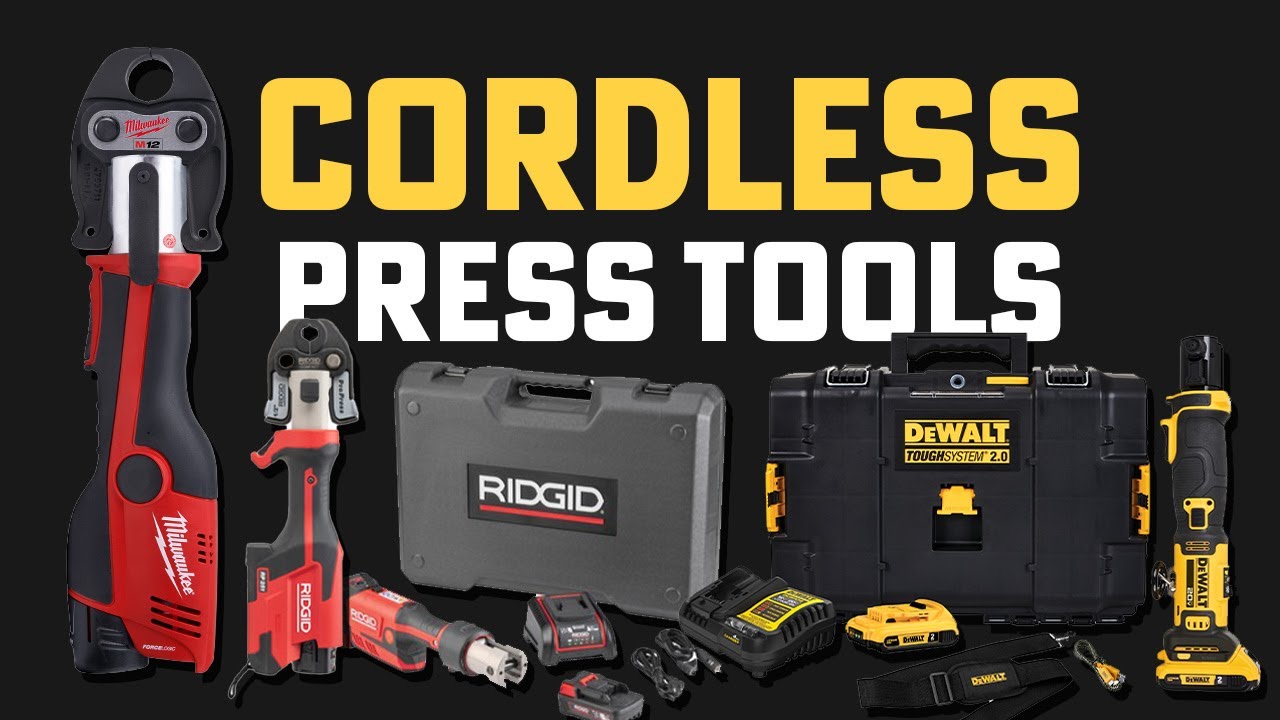
A press tool plays a crucial role in achieving both by enabling manufacturers and craftsmen to shape, cut, and assemble materials with consistent precision. Whether used in large-scale production or small workshops, press tools have become an indispensable part of modern engineering.
What is a Press Tool?
A press tool is a specialized device designed to apply controlled force to a material, usually metal, to change its shape or structure. It works by using mechanical or hydraulic pressure, ensuring that each operation is performed with exact accuracy. This consistency makes press tools ideal for repetitive tasks that require uniform results.
Applications of Press Tools
Press tools are widely used across multiple industries due to their versatility and reliability:
- Sheet Metal Processing – Cutting, punching, and forming metal sheets into desired shapes.
- Automotive Industry – Manufacturing car parts like panels, brackets, and components.
- Electronics Manufacturing – Producing small, precise parts used in devices.
Types of Press Tools
Different tasks require different types of press tools. Some commonly used variants include:
- Hydraulic Press Tools – Ideal for heavy-duty operations requiring high force.
- Mechanical Press Tools – Known for speed and efficiency in mass production.
- Pneumatic Press Tools – Use compressed air for lighter, controlled operations.
- Manual Press Tools – Suitable for small-scale or DIY projects.
Benefits of Using Press Tools
The growing popularity of press tools is due to the advantages they offer:
- High Precision – Ensures uniformity in every product.
- Reduced Waste – Accurate cuts and shapes minimize material loss.
- Cost-Effective Production – Ideal for bulk manufacturing.
Factors to Consider Before Buying
If you’re planning to invest in a press tool, keep these points in mind:
- Force Capacity – Choose a tool that matches your workload requirements.
- Material Compatibility – Ensure it works with the materials you handle.
- Durability – Look for strong construction and reliable components.
- Ease of Use – User-friendly design improves productivity.
Maintenance and Safety Tips
To keep your press tool in top condition:
- Perform regular inspections for wear and damage.
- Lubricate moving parts to maintain smooth operation.
- Follow safety guidelines and use protective gear.
- Keep the tool clean and store it in a dry environment.
Conclusion
A press tool is more than just equipment—it’s a vital component of precision engineering that drives productivity and quality. Whether you’re working in manufacturing, automotive, or DIY projects, the right press tool can significantly improve your results. Investing in a reliable press tool ensures efficiency, consistency, and long-term performance, making it an essential asset for any workshop or production line.
BLOG FOR MORE UPDATE : CLICK HERE


 drwyatt Jennings
 Virgie Hoeger