
 Buy Tarpaulins UK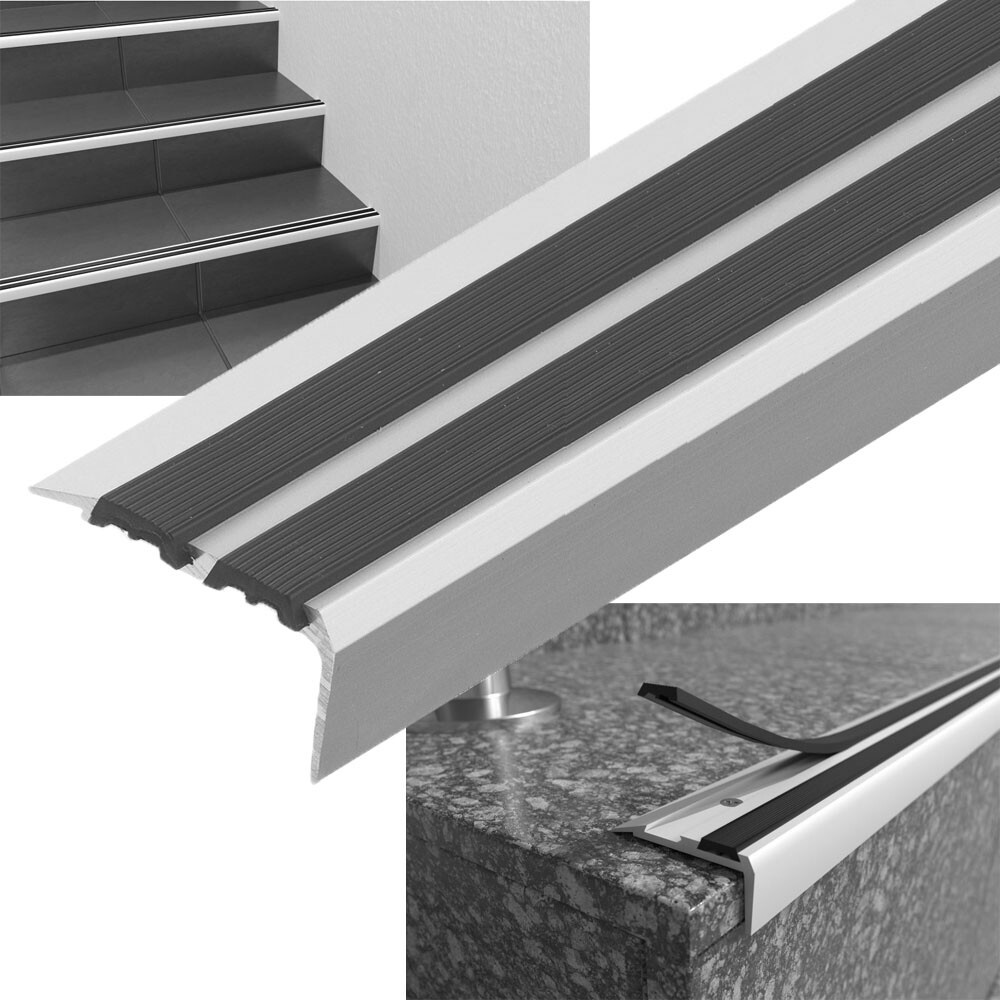
Safety and durability are top concerns in factories, warehouses, heavy-duty commercial settings, and industrial facilities. In these kinds of environments, staircases are exposed to severe weather, huge loads, and continuous foot traffic. A dependable option for improving stair safety, extending stair lifespan, and withstanding demanding industrial operations is metal stair nosing. Construction sites, loading docks, chemical processing facilities, manufacturing facilities, and power plants all frequently have installed Metal Stair Nosing. Strong, non-slip stair protection that can withstand mechanical stress, moisture, and chemical exposure is needed in these regions.
Material Selection for Heavy-duty Performance
The material used has a significant impact on the longevity and efficacy of metal stair nosing. Stairs are frequently subjected to abrasion, impact, moisture, oils, and corrosive substances in industrial settings. Consistent performance and durability are guaranteed when the proper metal is used.
Stainless Steel Stair Nosing
This material has exceptional resistance to rust, corrosion, and chemicals. Facilities that frequently experience wetness, washdowns, or chemical exposure would benefit greatly from it. Grades such as 304 and 316 stainless steel provide exceptional strength and oxidation resistance, making them suitable for food processing plants, laboratories, and marine environments. Additionally, stainless steel holds up well over time in terms of both appearance and structural integrity.
Galvanized Steel Stair Nosing
Zinc is applied to galvanized steel to stop corrosion and increase its lifespan. For industrial staircases subjected to mild environmental stress, it is an affordable choice. The zinc coating serves as a barrier to keep off corrosion and physical damage. This kind is frequently seen in factories, warehouses, and outdoor staircases.
Aluminum Stair Nosing
Aluminum is lightweight yet strong, offering natural resistance to oxidation. It is frequently used in areas where weight reduction is important, such as elevated platforms and access staircases. Aluminum works well in a variety of industrial environments, although it works best in places where exposure to extremely corrosive substances is minimal.
Selecting the right material guarantees long-term dependability under difficult industrial conditions, lowers maintenance costs, and improves safety.
Safety and Resistance to Slippage
There are other risks associated with industrial settings, such as dust, grease, moist surfaces, and the movement of large machinery. The risk of slips and falls is increased by the wear and damage that stair edges are especially susceptible to. As metal stair edging strengthens edges and increases traction, it also greatly increases stair safety. The majority of industrial Stair Nosing devices have abrasive, grooved, or serrated inserts that increase traction even in greasy or damp environments. This anti-slip design lowers workplace accidents and encourages adherence to industry norms and safety standards.
Uses in Heavy-duty and Industrial Environments
Metal stair edging is widely employed in a variety of industrial sectors because of its durability and versatility. Typical uses consist of:
Manufacturing Facilities
Preserving the safety of employees throughout continuous operations and safeguarding stair edges in regions with heavy usage.
For workers moving large objects or machinery, warehouses and distribution facilities should have non-slip stairways. Providing corrosion-resistant solutions for staircases subjected to heat, moisture, and chemicals in power plants and refineries.
Construction Sites
Reinforced nosing that can support heavy boots and tools is advantageous for both temporary and permanent stair installations. Stainless steel stair nosing is resistant to corrosion from saltwater and severe weather in marine and offshore installations.
Public Infrastructure
To handle significant foot traffic and increase longevity, heavy-duty stair nosing is used in airports, train stations, and industrial complexes.
These uses demonstrate how crucial metal stair nosing is to preserving structural integrity and operating safety in difficult settings.
Sturdiness and Upkeep
The minimal maintenance needed for metal stair nosing is one of its key benefits. Because industrial staircases are frequently used continuously, durability is crucial. Long-term performance is ensured by high-quality metal nosing’s resistance to impact, wear, and environmental damage.
If metal stair nosing is properly secured and aligned, it can last years of heavy duty use without loosening or deteriorating. Due to its sturdy design, it may be used in both indoor and outdoor industrial settings. Click here if you want to know more about tarpaulins.
Benefits to Economy and Environment
Metal stair nosing has benefits for the environment and the economy. The long-term cost savings are substantial, even though the initial investment could be greater than for simple stair edge solutions. Overall operational efficiency is influenced by decreased maintenance costs, fewer accidents, and longer stair lifespans. Purchasing long-lasting and legally compliant stair safety solutions is crucial in demanding industrial settings.

 Clair Skin