Luna Johnson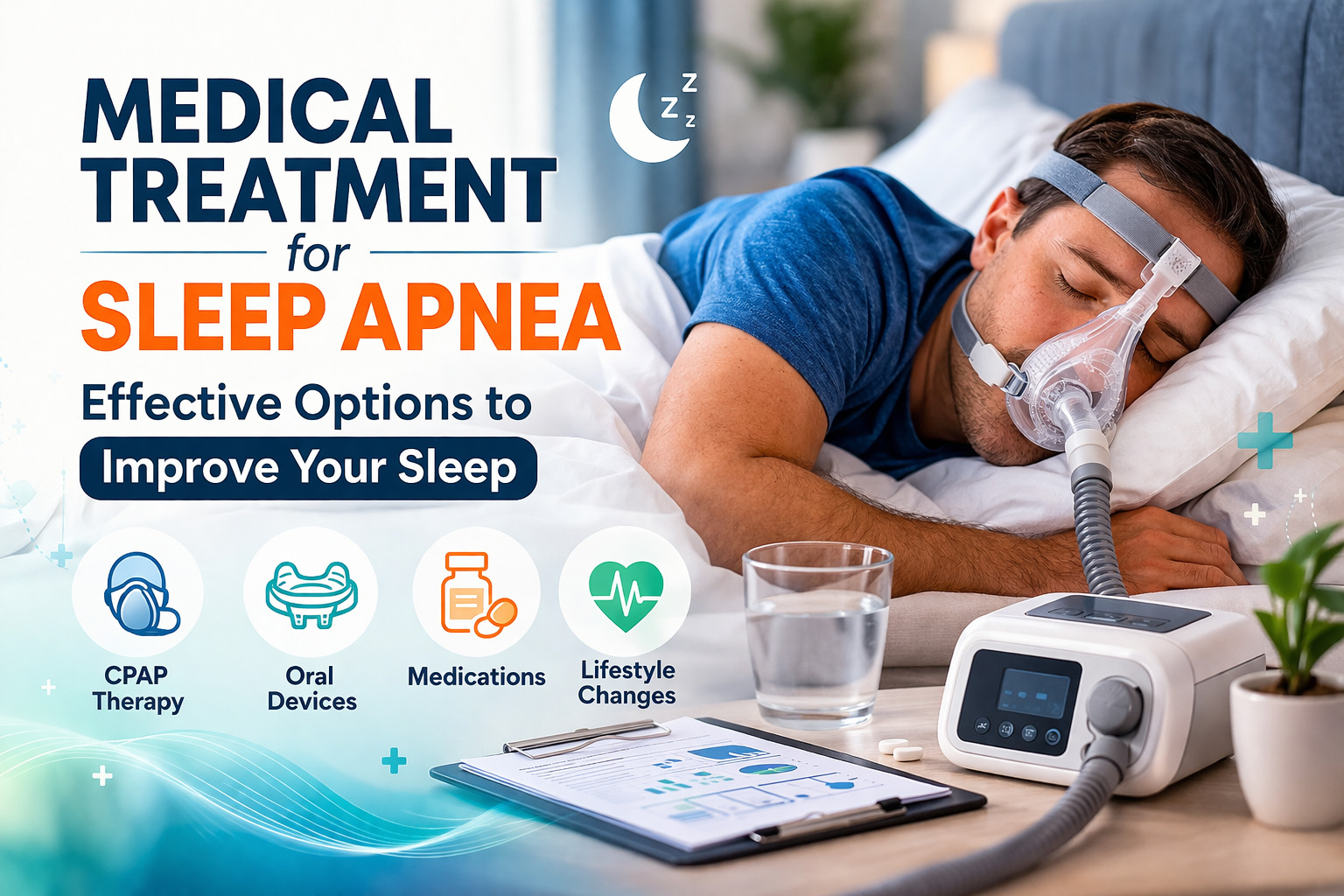
Introduction
Sleep is essential for maintaining physical and mental well-being. However, millions of people struggle with disrupted sleep due to sleep apnea—a serious sleep disorder that affects breathing during rest. If left untreated, sleep apnea can lead to severe health complications, including heart disease, fatigue, and reduced quality of life.
Fortunately, there are several medical treatments for sleep apnea that can effectively manage symptoms and restore healthy sleep patterns. This article explores the most effective options available today and how they can help you improve your sleep and overall health.
What is Sleep Apnea?
Sleep apnea is a condition in which breathing repeatedly stops and starts during sleep. These interruptions can last for a few seconds to minutes and may occur multiple times per hour.
Types of Sleep Apnea
-
Obstructive Sleep Apnea (OSA): The most common type, caused by blocked airways.
-
Central Sleep Apnea (CSA): Occurs when the brain fails to send proper signals to breathing muscles.
-
Complex Sleep Apnea Syndrome: A combination of both OSA and CSA.
Common Symptoms of Sleep Apnea
Recognizing the symptoms early can help in timely diagnosis and treatment. Some common signs include:
-
Loud and chronic snoring
-
Gasping or choking during sleep
-
Excessive daytime sleepiness
-
Morning headaches
-
Difficulty concentrating
-
Irritability and mood changes
If you experience these symptoms regularly, it is important to seek medical advice.
Causes and Risk Factors
Sleep apnea can develop due to various factors, including:
-
Excess weight or obesity
-
Narrow airway structure
-
Smoking and alcohol consumption
-
Age and gender (more common in men)
-
Family history
Understanding these risk factors can help in the prevention and better management of the condition.
Diagnosis of Sleep Apnea
To determine the severity of sleep apnea, doctors usually recommend:
-
Polysomnography (Sleep Study): Conducted in a sleep lab to monitor breathing, oxygen levels, and brain activity.
-
Home Sleep Tests: A more convenient option for diagnosing moderate to severe cases.
Early diagnosis plays a crucial role in preventing complications and starting effective treatment.
Medical Treatment for Sleep Apnea
There are several medically approved treatments that can significantly improve sleep apnea symptoms.
1. Continuous Positive Airway Pressure (CPAP) Therapy
CPAP therapy is considered the gold standard treatment for obstructive sleep apnea.
How it works:
A CPAP machine delivers a steady stream of air through a mask, keeping the airway open during sleep.
Benefits:
-
Highly effective in reducing breathing interruptions
-
Improves sleep quality
-
Reduces daytime fatigue
Challenges:
-
Initial discomfort
-
Mask fitting issues
With proper adjustment, most patients find CPAP extremely beneficial.
2. Oral Appliance Therapy
Oral appliances are custom-made devices worn during sleep to keep the airway open.
Best for:
-
Mild to moderate sleep apnea
-
Patients who cannot tolerate CPAP
Advantages:
-
Easy to use
-
Portable and comfortable
Limitations:
-
May not be effective for severe cases
3. Medications for Sleep Apnea
While medications cannot cure sleep apnea, they can help manage certain symptoms—especially excessive daytime sleepiness.
Wakefulness-promoting agents such as armodafinil-based medications (like Waklert 150mg) are commonly used to improve alertness in patients experiencing daytime drowsiness due to sleep apnea.
Benefits of medications:
-
Improve focus and wakefulness
-
Enhance daily productivity
-
Support the overall treatment plan
Important note:
Medications are usually prescribed alongside primary treatments like CPAP, not as a standalone cure.
4. Surgical Treatments
Surgery may be recommended when other treatments are ineffective.
Common surgical options include:
-
Uvulopalatopharyngoplasty (UPPP): Removes excess tissue from the throat
-
Nasal surgery: Corrects structural issues
-
Implants: Help keep airways open
Considerations:
-
Typically reserved for severe cases
-
Requires recovery time
-
Success rates vary
Lifestyle Changes to Support Medical Treatment
Medical treatments work best when combined with healthy lifestyle habits.
Key changes include:
-
Weight loss: Even a small reduction can improve symptoms
-
Regular exercise: Enhances breathing and overall health
-
Sleeping position: Side sleeping can reduce airway blockage
-
Avoid alcohol and sedatives: These relax throat muscles and worsen apnea
Alternative and Emerging Treatments
Advancements in medical technology have introduced new treatment options:
-
Adaptive Servo-Ventilation (ASV): Used for central sleep apnea
-
Hypoglossal nerve stimulation: A device that stimulates airway muscles
-
Innovative wearable devices and therapies
These treatments are still evolving but offer promising results for specific patients.
Choosing the Right Treatment Option
Selecting the best treatment depends on several factors:
-
Severity of sleep apnea
-
Underlying health conditions
-
Lifestyle and comfort preferences
-
Doctor’s recommendations
A personalized treatment plan ensures better outcomes and long-term success.
Tips to Improve Sleep Quality
In addition to medical treatment, improving sleep hygiene can make a big difference:
-
Maintain a consistent sleep schedule
-
Create a quiet and comfortable sleep environment
-
Limit screen time before bed
-
Practice relaxation techniques like meditation
FAQs
1. What is the most effective treatment for sleep apnea?
CPAP therapy is considered the most effective treatment, especially for moderate to severe cases.
2. Can sleep apnea be cured permanently?
In some cases, lifestyle changes or surgery may significantly reduce symptoms, but ongoing management is often required.
3. Are medications alone enough?
No, medications mainly help manage symptoms like sleepiness and should be combined with other treatments.
4. How long does treatment take to show results?
Many patients notice improvement within a few days to weeks, depending on the treatment method.
5. Is sleep apnea dangerous if untreated?
Yes, untreated sleep apnea can lead to serious health issues like heart disease, high blood pressure, and diabetes.
Conclusion
Sleep apnea is a serious but manageable condition. With the right medical treatment for sleep apnea, including CPAP therapy, oral devices, medications, and lifestyle changes, patients can significantly improve their sleep quality and overall health.
If you suspect you have sleep apnea, seeking timely medical advice is crucial. Early diagnosis and the right treatment plan can help you regain restful sleep, boost energy levels, and lead a healthier life.


 Fahad mughal
 lihibe lihibe