Michel Wilson
Jewellery is often more than just a collection of precious metals and gemstones. It can quietly hold family history, major life milestones, a sense of financial stability, and those emotional souvenirs that don’t really fade. If you are facing an estate, sorting through a divorce, or trying to secure valuable items with insurance, getting a reliable jewellery valuation is essential.
Most people only remember valuations when a solicitor, executor, or insurance company asks for them. Still, professional jewellery valuations have a bigger job than that; they help create fairness, promote clarity, and add real financial protection across a range of situations.
This practical guide walks through why jewellery valuations matter, when they’re needed, and how they support probate, divorce settlements, and insurance claims.
What Is a Jewellery Valuation?
A jewellery valuation is, basically, a professional assessment of a piece of jewellery to determine its value. Usually, this valuation gets carried out by a qualified valuer, who looks closely at things like the following:
- Gemstone quality and overall traits,
- The precious metal content,
- Brand or designer significance,
- The craftsmanship level
- Age and rarity
- Current market conditions.
The result is a fairly detailed valuation report, which gives an estimated value depending on what you actually need it for.
It’s also worth noting that not all jewellery valuations match each other. The value placed on a piece for insurance purposes might end up being different from the value used for probate or a divorce settlement because each occasion has its own requirements and context, so the “same” item can be judged in a slightly different manner.
Why Professional Jewellery Valuations Matter
Accurate valuations bring clarity, especially when money and the law are involved. If you don’t get a proper assessment, jewellery can end up being undervalued or overvalued, or it can quietly turn into a reason for disagreements between family members or even separating spouses.
In a lot of situations, professional jewellery valuations help with things like:
- Setting a fair market value
- Backing legal and financial choices
- Cutting down disputes between different parties
- Creating solid documentation for insurers
- Meeting legal requirements properly
- Safeguarding valuable assets
Also, in many cases, the valuation report works like independent proof, something solicitors, courts, executors, and insurance companies can actually rely on, not just “a guess”.
Understanding Probate Jewellery Valuation
One of the more common reasons people seek a jewellery valuation is estate administration, and honestly, it comes up a lot.
A probate jewellery valuation sets out the value of jewellery that belonged to a deceased person as at the date of death. This info is usually needed for working out the overall value of an estate for probate and inheritance matters.
Why Is Probate Jewellery Valuation Important?
Executors have a legal duty to accurately recognise and then report the assets within an estate. Jewellery can be a substantial part of that picture, especially if there are family keepsakes, diamonds, antique items, or high-end watches involved.
A professional probate jewellery valuation can help with things like the following:
- working out the estate total value
- supporting probate paperwork
- aiming for a fair allocation among beneficiaries
- lowering the chance of disagreements
- offering proof if a valuation is questioned later
If there’s no formal valuation, family members can end up with different ideas about an item’s worth. That can turn into avoidable tension during what is already a rough time for everyone.
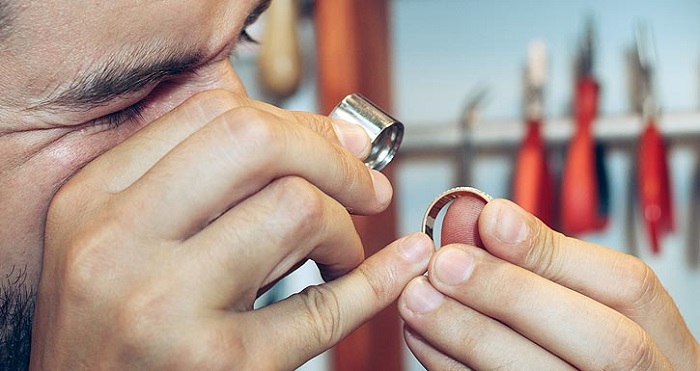
What Does a Probate Jewellery Valuation Include?
A standard probate jewellery valuation report might contain the following:
- Detailed descriptions of each piece, plus photos
- Gemstone assessment notes and metal identification
- Market value estimates based on relevant factors
- Any supporting documentation that’s useful to show how the figures were reached
All of this together creates a clearer, more dependable record of the estate’s jewellery assets, which can be important when probate decisions are being reviewed.
Jewellery in Divorce Settlement: Why Valuation Matters
Divorce often means splitting shared assets, and jewellery can turn into a big part of the talks, especially when people don’t fully agree on what it’s actually worth. Figuring out the value of jewellery in divorce settlement cases lets both sides see the financial picture before any final agreement gets locked in.
Common Jewellery Assets Considered During Divorce
Depending on what happened and who owned what, you might see items such as:
- Engagement rings
- Wedding bands
- Luxury watches
- Family heirlooms
- Investment jewellery
- Designer pieces
- High-value gemstone jewellery
How these items are treated can differ quite a bit. It often depends on local laws, ownership records and the personal situation.
The Importance of Independent Valuation
An independent jewellery valuation gives an impartial kind of assessment, so misunderstandings don’t spiral.
Professional valuations can:
- Help set sensible asset values
- Back-up negotiation points
- Offer evidence if legal proceedings start
- Encourage a fairer split of the property
- Reduce emotional friction
Since jewellery frequently has sentimental value, arguments about who it belongs to and what it costs can get really intense fast. A professional valuation adds factual support to the conversation, instead of guesses or assumptions.
Common Mistakes to Avoid
Whether you need a probate jewellery valuation, help with jewellery in a divorce settlement, or insurance paperwork, steering clear of these common slips can save you time and money.
● Relying on Old Valuation Reports
Market values change. An outdated report may no longer reflect current conditions.
● Guessing the Value
Family estimates or online pricing guides are rarely suitable for legal or insurance purposes.
● Failing to Document Jewellery Properly
Photographs, receipts, certificates, and previous valuation reports can strengthen the accuracy of the assessment.
● Using Non-Specialist Appraisers
Specialised jewellery valuers typically provide more reliable and defensible reports than general appraisers.
Final Thoughts
Professional jewellery valuations give crucial insight for some of life’s biggest financial and legal moments. Whether you are dealing with an estate, splitting assets during a divorce, or guarding cherished pieces through insurance, getting the valuation right brings a bit more clarity, confidence, and peace of mind (even if the paperwork feels endless).
A properly prepared probate jewellery valuation can support executors in doing what they need to do, while a professional review for jewellery in divorce settlement situations can help guide fair outcomes all round. Also, keeping your valuations updated matters because market shifts over time, and you want your coverage to stay aligned.
When you work with a qualified jewellery valuer, you can make more grounded choices and really protect the real, true worth of your possessions.

 Maheen Fatima
 Lottie Isla