
 The Humble Clinic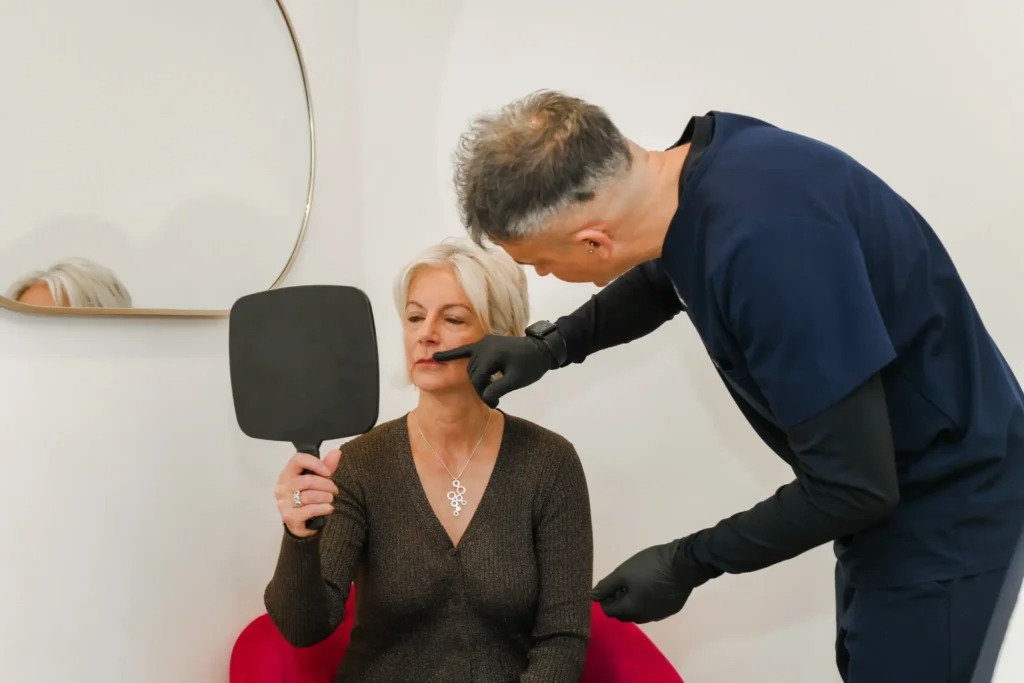
As skin changes with age, many people notice a gradual reduction in firmness, facial definition and overall skin quality. These changes are influenced by natural changes in collagen, elastin, fat and other supporting structures within the skin and face.
Aesthetic medicine now offers several approaches to addressing these changes. Traditional dermal fillers are one option, while collagen-stimulating treatments such as Sculptra take a different approach. Understanding the distinction can help people make more informed decisions about which treatment may suit their individual concerns.
What Are Collagen-Stimulating Treatments?
Collagen-stimulating treatments, sometimes called biostimulators, are injectable treatments designed to encourage the body’s own collagen-production processes.
Rather than simply adding volume to a specific area, these treatments aim to support changes in skin structure over time. The result is generally intended to develop gradually rather than appearing immediately after treatment.
Sculptra is one example of this type of injectable treatment. The Hamble Clinic describes it as a biostimulator designed to encourage the body’s own collagen production and support changes in skin firmness and structure.
How Is Sculptra Different From Dermal Filler?
The main difference is the way the treatments are intended to work.
Traditional dermal fillers are commonly used to restore or add volume in specific areas, helping to enhance contours or soften the appearance of lines and folds. Sculptra instead focuses on stimulating collagen and gradually supporting the underlying structure of the skin.
Neither approach is automatically better. The appropriate option depends on the individual’s concerns, facial anatomy, treatment goals and professional assessment.
What Concerns Can Sculptra Be Used For?
Sculptra may be considered where loss of volume and reduced skin firmness are concerns. The Hamble Clinic lists areas such as the cheeks and mid-face, temples, jawline and areas around the mouth and chin among the concerns it may address.
The clinic also lists potential treatment areas including the neck, décolletage and hands, as well as acne scarring.
However, suitability varies between individuals. A consultation is important because not every concern requires an injectable treatment, and alternative options may be more appropriate.
Why Do Results Develop Gradually?
One of the key differences between collagen-stimulating treatments and conventional fillers is the way changes develop.
Sculptra is designed to encourage collagen production, so the process is gradual rather than simply relying on an immediate increase in volume. This can appeal to people who prefer a more progressive change rather than a sudden alteration in facial appearance.
The Hamble Clinic states that patients commonly require a course of treatments and that the recommended plan depends on individual goals and skin condition.
Results also vary from person to person, so treatment should never be approached with the expectation of a guaranteed outcome.
What Happens During a Sculptra Treatment?
Before treatment, a practitioner should assess the individual’s facial structure, concerns, medical history and expectations.
The injection procedure itself involves delivering the product into selected treatment areas. According to The Hamble Clinic, the procedure typically takes around 30–45 minutes, although the exact experience can vary.
Temporary effects such as swelling, redness or tenderness around injection sites can occur. Patients should receive personalised information about potential risks and aftercare before proceeding.
How Many Treatments Might Be Needed?
Treatment plans are not identical for everyone. The Hamble Clinic currently states that most patients require two to three Sculptra sessions, generally spaced several weeks apart, with the final plan determined according to individual goals and skin condition.
This highlights why a consultation is more useful than selecting a treatment based solely on online information. A practitioner can assess whether the treatment is appropriate and explain what type of treatment plan may be considered.
Could Sculptra Be Combined With Other Treatments?
In some cases, different aesthetic treatments may be considered as part of a broader treatment plan. The appropriate combination depends on the specific concerns being addressed.
For example, someone experiencing facial volume loss may require a different approach from someone whose primary concern is skin hydration or surface texture. Treatments such as dermal fillers, skin boosters, microneedling or medical-grade skincare each have different purposes.
A professional should determine whether combining treatments is appropriate rather than assuming that more procedures will necessarily produce better results.
Choosing a Qualified Sculptra Provider
When researching Sculptra Aylesbury, it is important to look beyond before-and-after photographs or promotional claims.
Consider the practitioner’s qualifications, clinical experience, consultation process, treatment environment and approach to patient safety. Ask what the treatment is intended to achieve, what alternatives exist, what risks are involved and what aftercare will be required.
The Hamble Clinic states that treatments begin with a consultation by a medical professional and that the clinic is led by an independent nurse prescriber with more than 20 years of clinical experience.
Making an Informed Decision
Collagen-stimulating treatments offer a different approach from conventional dermal fillers, particularly for people interested in gradual changes to skin structure and volume.
The key is to choose treatment based on your individual concerns rather than simply selecting the newest or most heavily promoted option. A professional assessment can help establish whether Sculptra, another injectable or a non-injectable treatment is appropriate.
For those considering Sculptra treatment, The Hamble Clinic provides a consultation-led approach to assessing individual aesthetic concerns and treatment suitability.


 The Laser
 alexander dg