wafa fatima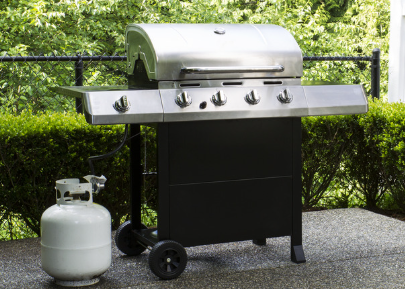
Storing a gas barbecue bottle safely at home is essential for protecting your property, your family, and yourself. Gas bottles—commonly filled with liquefied petroleum gas (LPG) such as propane or butane—are highly flammable and must be handled with care. Whether you use your barbecue regularly or only during special occasions, proper storage of your gas barbecue bottle can prevent accidents and extend the life of your equipment.
In this detailed guide, you’ll learn how to store a gas barbecue bottle safely at home, common mistakes to avoid, safety regulations to follow, and practical tips for long-term storage.
Understanding a Gas Barbecue Bottle
Before learning how to store a gas barbecue bottle safely at home, it’s important to understand what it contains.
A gas barbecue bottle usually holds propane or butane under pressure. These gases are:
-
Highly flammable
-
Stored in liquid form under pressure
-
Heavier than air (especially propane)
-
Capable of causing fire or explosion if mishandled
Because of these properties, correct storage is not just recommended—it is necessary.
Why Proper Storage Is Important
Improper storage of a gas barbecue bottle can lead to:
-
Gas leaks
-
Fire hazards
-
Explosions
-
Property damage
-
Health risks from gas inhalation
Storing your gas barbecue bottle safely at home minimizes these risks and ensures your barbecue setup remains reliable and safe to use.
Choose the Right Storage Location
The most important step in storing a gas barbecue bottle safely at home is selecting the proper location.
1. Store Outdoors Whenever Possible
Gas barbecue bottles should always be stored outdoors, not inside your home.
Ideal outdoor storage areas include:
-
A well-ventilated garden area
-
A shed with ventilation openings
-
A balcony with open airflow
-
A shaded area away from direct sunlight
Avoid storing your gas barbecue bottle in:
-
Basements
-
Garages without ventilation
-
Under stairs
-
Inside cupboards
-
Near electrical appliances
Gas is heavier than air and can accumulate in low areas, increasing the risk of ignition.
2. Keep the Bottle Upright at All Times
Always store your gas barbecue bottle in an upright position.
This is critical because:
-
The safety valve is designed to function when upright
-
Laying it down may cause liquid gas leakage
-
It reduces pressure irregularities
Never store a gas barbecue bottle on its side.
Maintain Proper Ventilation
Ventilation is key when storing a gas barbecue bottle safely at home.
Even if there is a minor leak, good airflow ensures that gas does not build up to dangerous levels. When choosing a storage space:
-
Make sure air can circulate freely
-
Avoid sealed or airtight areas
-
Use outdoor storage cabinets specifically designed for gas cylinders
Proper ventilation dramatically lowers the risk of explosion.
Keep Away from Heat Sources
Gas bottles should be kept away from anything that generates heat.
Avoid placing near:
-
Boilers
-
Radiators
-
Direct sunlight
-
Electrical panels
-
Open flames
-
Outdoor heaters
Excessive heat increases internal pressure inside the gas barbecue bottle. If pressure rises too much, it can trigger the safety valve or cause serious damage.
Store your bottle in a cool, shaded area to maintain safe pressure levels.
Protect the Valve and Cap
The valve is one of the most important parts of your gas barbecue bottle.
When storing:
-
Turn off the valve tightly
-
Remove the regulator if not in use
-
Replace the protective cap if provided
This helps prevent accidental leaks and protects the valve from dust and damage.
Check for Leaks Before Storage
Before storing your gas barbecue bottle safely at home, inspect it.
How to Check for Gas Leaks
-
Mix soap and water in a spray bottle
-
Spray around the valve and connections
-
Look for bubbles
If bubbles appear, there may be a leak. Do not store a leaking gas barbecue bottle. Contact your supplier immediately.
Regular inspection helps prevent accidents and ensures your bottle remains safe during storage.
Store Away from Children and Pets
Safety at home includes protecting children and pets.
A gas barbecue bottle should:
-
Be placed out of reach
-
Not be used as a climbing object
-
Not be left unsecured
Consider using a lockable outdoor storage unit if needed.
Avoid Storing Near Flammable Materials
Another key rule in storing a gas barbecue bottle safely at home is keeping it away from flammable items.
Do not store near:
-
Paint cans
-
Petrol containers
-
Cleaning chemicals
-
Paper or cardboard
-
Dry leaves
In case of a leak, nearby flammable materials could ignite quickly.
Do Not Store in Enclosed Vehicles
Never store a gas barbecue bottle inside a car, van, or caravan for long periods.
Vehicles can:
-
Heat up quickly
-
Trap gas in enclosed space
-
Increase explosion risk
If transporting the bottle, ensure it is upright and remove it immediately once you reach your destination.
Seasonal Storage Tips
If you only use your barbecue during summer, you may need long-term storage solutions.
For Winter Storage:
-
Disconnect the bottle from the barbecue
-
Close the valve tightly
-
Store outdoors in a dry, shaded place
-
Check occasionally for rust or damage
Avoid covering the gas bottle completely with plastic sheets that trap moisture, as this may cause corrosion.
Protect Against Rust and Damage
Rust weakens the structure of your gas barbecue bottle over time.
To prevent rust:
-
Keep the bottle dry
-
Store it off the ground using a stand
-
Avoid placing directly on soil or wet surfaces
-
Inspect regularly for corrosion
If you notice deep rust or dents, do not use the bottle. Replace it immediately.
Follow Local Safety Regulations
Different regions may have safety guidelines regarding gas storage. While basic rules remain the same, always follow:
-
Local fire safety regulations
-
Manufacturer instructions
-
Gas supplier recommendations
Regulations often limit how many gas bottles can be stored at one property.
What to Do in Case of Gas Smell
If you smell gas near your stored gas barbecue bottle:
-
Do not use electrical switches
-
Do not light matches or flames
-
Turn off the valve if safe to do so
-
Move away from the area
-
Contact emergency services or your gas supplier
Never ignore the smell of gas.
Common Mistakes to Avoid
When learning how to store a gas barbecue bottle safely at home, avoid these mistakes:
-
Storing inside the house
-
Laying the bottle on its side
-
Keeping near heat sources
-
Ignoring small leaks
-
Blocking ventilation
-
Leaving the regulator attached during long storage
-
Storing multiple bottles in confined spaces
Avoiding these errors significantly reduces risks.
How Many Gas Barbecue Bottles Can You Store?
Most households should only store one or two gas barbecue bottles at a time.
Storing large quantities:
-
Increases fire risk
-
May violate local regulations
-
Requires commercial-grade storage solutions
Always check with local authorities if unsure.
Should You Store the Bottle Attached to the Barbecue?
If your barbecue is kept outdoors, you may store the bottle attached, provided:
-
The valve is turned off
-
The area is ventilated
-
The barbecue is not enclosed tightly
-
There is no heat source nearby
For long-term storage, it is better to disconnect and store the bottle separately.
Additional Safety Tips
Here are some extra safety tips for storing a gas barbecue bottle safely at home:
-
Label the storage area clearly
-
Keep a fire extinguisher nearby
-
Perform regular inspections
-
Replace damaged hoses immediately
-
Avoid DIY repairs on gas cylinders
Professional maintenance is always safer.
Environmental Considerations
Never throw away a gas barbecue bottle in regular household waste.
Empty bottles should be:
-
Returned to the supplier
-
Refilled by authorized distributors
-
Disposed of according to local waste regulations
Improper disposal can harm the environment and pose serious hazards.
Conclusion
Knowing how to store a gas barbecue bottle safely at home is essential for preventing accidents and maintaining a secure household environment. Proper storage includes keeping the bottle upright, storing it outdoors in a well-ventilated area, protecting it from heat and direct sunlight, and regularly checking for leaks or damage.
Never store a gas barbecue bottle indoors, near flammable materials, or in enclosed vehicles. Always ensure the valve is tightly closed and the bottle is placed out of reach of children and pets. Seasonal storage requires extra care, including protection against rust and moisture.
By following these safety guidelines, you can confidently store your gas barbecue bottle at home without unnecessary risk. A few simple precautions go a long way in ensuring safe, enjoyable barbecues for years to come.


 lihibe lihibe
 Tekimash Tekimash