Arshad Rabana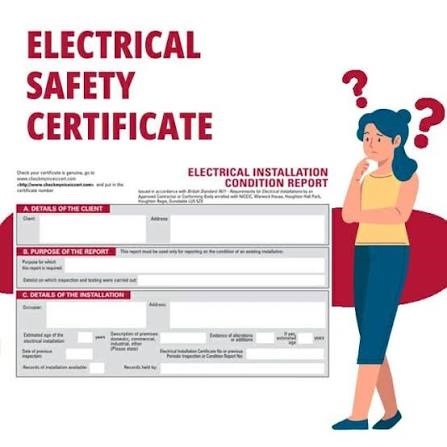
Buying or renting a property is one of the biggest financial decisions you will make. While location, price and appearance often receive the most attention, electrical safety should never be overlooked. Hidden electrical faults can create serious risks, lead to expensive repairs and even cause fires. Before signing a contract or exchanging contracts, it is wise to understand the condition of the property’s electrical installation.
An electrical safety certificate check provides valuable information about the safety and condition of a property’s electrical system. Whether you are a homebuyer, landlord or tenant, this inspection helps identify damaged wiring, overloaded circuits, faulty consumer units and other hazards before they become costly problems. Investing in an electrical safety certificate check offers peace of mind and helps ensure the property complies with current UK electrical standards.
What Is an Electrical Safety Certificate Check?
An electrical safety certificate check refers to a professional inspection of a property’s fixed electrical installation. In most cases, the inspection results in an Electrical Installation Condition Report (EICR), which records the condition of the electrical system and identifies any defects.
The inspection covers fixed wiring, sockets, switches, lighting circuits, consumer units, earthing arrangements and protective devices. Qualified electricians use specialist testing equipment to determine whether the installation remains safe for continued use.
Unlike portable appliance testing, an EICR focuses only on the permanent electrical installation within the building.
Why an Electrical Safety Certificate Check Matters Before Buying
Many buyers assume that if the lights work, the electrical system is safe. Unfortunately, this is not always true. Electrical defects often remain hidden behind walls, ceilings and consumer units.
An electrical safety certificate check before purchasing a property can reveal problems that may require costly repairs after completion.
Benefits include:
- Identifying unsafe wiring
- Finding outdated consumer units
- Detecting overloaded circuits
- Checking earthing and bonding
- Reducing unexpected repair costs
- Supporting price negotiations
- Improving home safety
If significant defects are discovered, buyers can request repairs before exchange or negotiate a lower purchase price.
Why Tenants Should Request an Electrical Safety Certificate Check
Tenants have every right to live in a safe home. Before moving into a rented property, asking the landlord for the latest EICR provides reassurance that the electrical installation has been inspected.
A recent electrical safety certificate check confirms that:
- Fixed wiring has been tested
- Consumer units operate correctly
- Protective devices function properly
- Dangerous faults have been repaired
- The installation complies with current regulations
Knowing the property’s electrical condition helps tenants avoid unnecessary safety risks.
What Does an Electrical Safety Certificate Check Include?
A comprehensive inspection examines every major part of the electrical installation.
| Inspection Area | Purpose |
| Consumer Unit | Tests circuit breakers and RCD protection |
| Fixed Wiring | Checks insulation and cable condition |
| Sockets and Switches | Identifies damage and loose connections |
| Lighting Circuits | Confirms safe operation |
| Earthing and Bonding | Protects against electric shock |
| Circuit Testing | Measures electrical performance |
The electrician also carries out several electrical tests to verify compliance with BS 7671 Wiring Regulations.
Common Problems Found During an Inspection
Older homes often contain electrical installations that no longer meet modern standards.
Frequent issues include:
- Ageing rubber or fabric insulated wiring
- Missing RCD protection
- Damaged sockets
- Loose electrical connections
- Poor earthing
- Incorrect cable sizes
- DIY electrical work
- Overloaded circuits
- Damaged consumer units
Identifying these issues before purchase or tenancy prevents future safety concerns.
Understanding EICR Observation Codes
Each issue identified during the inspection receives a classification code.
| Code | Meaning | Action |
| C1 | Danger present | Immediate repair required |
| C2 | Potential danger | Urgent repair required |
| C3 | Improvement recommended | Optional improvement |
| FI | Further investigation | Additional inspection needed |
Only properties without C1, C2 or unresolved FI observations receive a satisfactory report.
Is an Electrical Safety Certificate a Legal Requirement?
Legal requirements depend on the property type.
Private landlords in England must ensure electrical installations are inspected at least every five years under the Electrical Safety Standards in the Private Rented Sector Regulations 2020.
Although homeowners purchasing a property are not legally required to obtain an electrical safety certificate check, doing so is strongly recommended because mortgage surveys do not include detailed electrical testing.
Commercial property transactions often include electrical inspections as part of the due diligence process.
How Often Should Electrical Installations Be Checked?
Recommended inspection intervals vary depending on the property.
| Property Type | Recommended Interval |
| Owner Occupied Home | Every 10 years |
| Rented Property | Every 5 years |
| Commercial Building | Every 5 years or as required |
| Industrial Site | According to risk assessment |
| Before Property Purchase | Recommended before completion |
Regular inspections reduce long-term maintenance costs while improving safety.
Choosing a Qualified Electrician
The quality of the inspection depends on the electrician carrying it out.
Look for professionals who:
- Have inspection and testing qualifications
- Understand BS 7671 Wiring Regulations
- Produce detailed EICRs
- Explain observations clearly
- Recommend practical remedial work
Choosing an experienced electrical contractor provides confidence that the inspection reflects the true condition of the installation.
Questions to Ask Before Buying a Property
Before completing a purchase, buyers should ask:
- When was the last electrical safety certificate check completed?
- Is the latest EICR available?
- Has the consumer unit been upgraded?
- Have any major electrical alterations been carried out?
- Has remedial work been completed following previous inspections?
These questions help identify hidden risks before contracts are exchanged.
Benefits of an Electrical Safety Certificate Check
An electrical safety certificate check provides far more than a compliance document.
It helps protect occupants, reduces fire risks, identifies hidden electrical faults, improves property value, supports insurance requirements and gives buyers, landlords and tenants greater confidence in the property’s condition.
The small cost of an inspection can prevent expensive repairs and serious safety incidents in the future.
Key UK Electrical Standards
How Almens Consult Can Help You
Almens Consult supports homeowners, landlords, property managers and businesses with professional electrical engineering services across the UK. The team carries out detailed electrical safety certificate check inspections, Electrical Installation Condition Reports (EICRs), compliance assessments, fault investigations and remedial work. Whether you are buying a new property, renting out an investment or managing commercial premises, Almens Consult provides clear reporting and practical recommendations that help you meet current UK regulations while protecting your property and its occupants.
Conclusion
An electrical safety certificate check should never be treated as an optional extra when buying or renting a property. Hidden electrical faults can affect safety, insurance and future repair costs. A professional inspection identifies potential hazards before they become serious problems, giving buyers, tenants and landlords greater confidence in the condition of the electrical installation. By arranging an inspection before completing a purchase or tenancy, you can make informed decisions, comply with UK regulations where required and protect everyone who lives or works in the property.

 Car rental
 bape shoes