Alex John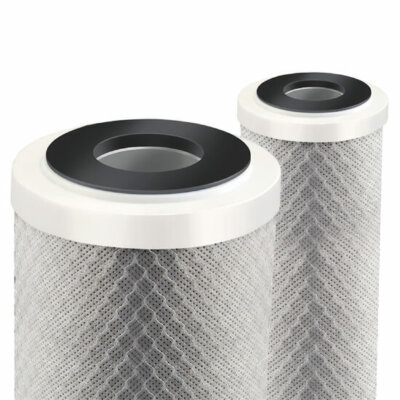
Welcome to your ultimate guide on selecting the right filtration system for your home or business in India. With increasing concerns about water quality, understanding how to choose the best option is essential. Whether you live in bustling cities like Mumbai, Delhi, or Bengaluru, or in rural areas relying on groundwater, the right choice can significantly impact your health and daily life.
In this guide, we will explore various aspects of industrial filtration systems, including how they work and the different types available. You will learn to evaluate crucial factors like performance and price, helping you make informed decisions without feeling overwhelmed by technical jargon.
Additionally, we will provide a step-by-step process for selecting, installing, and maintaining your filtration system. Avoiding common mistakes is vital, and this guide aims to equip you with the knowledge you need. Let’s embark on this journey to ensure you have access to clean, safe water.
1. Understanding Carbon Filter Cartridges: What They Are and How They Work
To understand the importance of clean water, it’s key to know how carbon filter cartridge works. These cylindrical parts are filled with activated carbon media. This media is crucial for removing impurities from water through adsorption.
This process traps contaminants, making sure the water you drink is safe and tastes good.
The Science Behind Activated Carbon Filtration
Activated carbon is made from materials like coconut shells, wood, and coal. In India, coconut shells are common and used to make high-quality activated carbon. The production involves heating these materials without oxygen, making them very porous.
This porosity lets activated carbon catch many impurities, like chlorine and bad tastes. As water flows through the filter, these contaminants stick to the carbon. This makes the water clean.
Why Carbon Filter Cartridges Are Essential for Water Quality
In many Indian homes, water often has too much chlorine and pesticides. These can make the water taste bad and be unsafe. Carbon filter cartridges are key to fixing this.
Using a water purification cartridge can make drinking water safe and taste better. These filters can work alone or with multi-stage reverse osmosis systems, common in Indian homes.
2. Types of Carbon Filter Cartridges Available in the Market
The market has many carbon filter cartridges for different needs. Knowing these types helps you choose the right one. We’ll look at three main types: Granular Activated Carbon (GAC) cartridges, Carbon Block cartridges, and Catalytic Carbon cartridges.
Granular Activated Carbon (GAC) Cartridges
Granular Activated Carbon (GAC) cartridges have loose-fill granules. They let water flow fast, making them good for whole-house systems. They’re best when you already have a pre-filter, as they remove big particles and improve taste.
Carbon Block Cartridges
Carbon Block cartridges are made of compressed carbon powder. This makes them great at catching contaminants, making them popular for under-sink and countertop systems. They remove chlorine, sediment, and other bad stuff, giving you clean water.
Catalytic Carbon Cartridges
Catalytic Carbon cartridges are special. They’re treated to get rid of chloramines and hydrogen sulfide. These are common in Indian water due to new treatment methods. They’re perfect for homes with these problems.
Which Type Is Best for Your Needs?
Choosing the right carbon filter cartridge depends on your water issues, budget, and current setup. Here’s a table to help you decide:
| Type | Filtration Method | Best For | Flow Rate |
| Granular Activated Carbon (GAC) | Loose-fill granules | Point-of-entry systems | High |
| Carbon Block | Compressed powder | Under-sink & countertop | Moderate |
| Catalytic Carbon | Treated for specific contaminants | Removing chloramines & hydrogen sulfide | Moderate |
3. Key Factors to Consider Before Buying a Carbon Filter Cartridge
Before you buy a carbon filter cartridge, there are a few key things to think about. Knowing these will help you pick the best one for your home. This ensures your water stays clean and safe.
Understanding Filtration Capacity and Flow Rate Requirements
Filtration capacity is very important. It’s measured in gallons or liters. Knowing how much water your home uses daily helps you find the right size cartridge.
Flow rate is also crucial. It shows how fast water can flow through the filter. A low flow rate can make your water slow. Choose a filter that can handle your water needs without slowing it down.
Matching Cartridge Size to Your System
Cartridge size must match your system. Common sizes are 10-inch and 20-inch. Always check your filter housing size before buying to avoid problems.
Using the wrong size can cause leaks or poor filtration. Double-check the dimensions for a perfect fit.
Checking Compatibility with Existing Equipment
It’s important to make sure the cartridge fits your current system. Check the connector types and micron ratings. Some filters work best with cold water, while others handle warmer water well.
Make sure the new cartridge fits your system’s needs for the best performance.
Evaluating Lifespan and Replacement Frequency
The lifespan of a carbon filter cartridge depends on your water quality. You usually need to replace it every 6 to 12 months. Things like chlorine levels and sediment can affect how often you need a new one.
Watch for signs it’s time for a new cartridge. Look for reduced water flow, bad smells, or tastes in your water.
| Cartridge Type | Filtration Capacity (Gallons) | Flow Rate (GPM) | Recommended Lifespan (Months) |
| Granular Activated Carbon | 500 | 2 | 6-12 |
| Carbon Block | 1000 | 1.5 | 6-12 |
| Catalytic Carbon | 800 | 2.5 | 12 |
4. Step-by-Step Selection Process for Your Carbon Filter Cartridge
Choosing the right carbon filter cartridge is key for clean, safe drinking water. It might seem hard, but breaking it down into steps makes it easier. We’ll guide you through checking your water quality, picking the right filter, checking certifications, and comparing brands in India.
Assessing Your Water Quality and Contaminants
The first step is to check your water quality. Use affordable home testing kits from Indian e-commerce sites. These kits test for common pollutants like chlorine, lead, and TDS.
Also, look at your local water quality reports. These reports tell you about the contaminants in your water. For example, Rajasthan might have high TDS levels, while Northeast India might have more iron. Knowing this helps you pick the right filter.
Matching Filter Type to Your Specific Needs
After knowing your water quality, match the filter type to your needs. For kitchen use, a carbon block cartridge is good. It removes contaminants and improves taste. If you have hard water, a shower filter can help.
For a complete solution, consider a whole-house carbon filter. It filters all water in your home, making it clean for cooking, bathing, and cleaning.
Verifying Certifications and Quality Standards
When buying a carbon filter, check its certifications. Look for NSF/ANSI standards 42 and 61. These ensure the filter is safe and effective. An NSF certified filter is a good choice.
In India, also look for ISI marks or international certifications on local products or online. These marks add to the product’s quality and performance assurance.
Comparing Brands and Models Available in India
Lastly, compare different brands and models in India. Global brands like Pentair, 3M, and Aquaguard are reliable. But, also consider domestic brands like Kent, Pureit, and Livpure. Look at prices, warranties, and service networks to find the best fit.
By following these steps, you can confidently choose a carbon filter cartridge. It will meet your needs and ensure clean, safe drinking water for your family.
5. Installation and Maintenance Guide for Carbon Filter Cartridges
Installing a carbon filter cartridge is easy and can greatly improve your water quality. This guide will walk you through the steps for installation and upkeep. It ensures your filtration system works well.
Preparing for Installation
First, get the tools you need. You’ll require a filter wrench, Teflon tape, and a clean bucket. Turn off the water supply to prevent leaks. It’s key to release system pressure, especially in Indian setups where valves might be far away.
Step-by-Step Installation Process
- Remove the filter housing sump carefully.
- Take out the old carbon filter cartridge.
- Insert the new cartridge into the housing.
- Lubricate the O-rings with food-grade silicone grease for a tight seal.
- Reattach the filter housing and restore the water supply.
- Check for leaks to confirm a successful installation.
Regular Maintenance Tips
To keep your carbon filter cartridge working well, regular care is key. Clean the filter housing each time you change the cartridge to avoid buildup. Watch out for sediment spikes during the monsoon season, as they can harm water quality. Also, have spare O-rings ready, as hard water can damage them fast in many Indian areas.
When and How to Replace Your Cartridge
It’s important to know when to replace your carbon cartridge to keep water quality high. Look for signs like discoloration or wear. Also, a slow flow rate or chlorine taste coming back means it’s time for a new one. Replace the cartridge every 6 to 12 months, based on how much you use it and the water quality. Always dispose of old cartridges properly, following local waste guidelines.
6. Common Mistakes to Avoid When Buying Carbon Filter Cartridges
Many people make big mistakes when buying carbon filter cartridges. These errors can waste money and not clean water well. Knowing these mistakes helps you get better water and the right product for you.
Ignoring Water Quality Testing
Skipping water quality tests is a big mistake. People think all carbon filters are the same. But, they forget that different areas need different filters.
For example, if you live near farms, you might need to filter out pesticides. City water with high chlorine levels also needs special filters. A simple test can save you a lot of money.
Choosing Based on Price Alone
Choosing only by price is another mistake. The cheapest filter might not be the best. It could use low-quality carbon and not last long.
This means you’ll have to replace it often. Spending a bit more on a better filter can save you money in the long run.
Overlooking System Compatibility
Not checking if a filter fits your system is a big mistake. The wrong micron rating can let sediment through, clogging things. And, a filter that doesn’t fit can cause leaks and damage.
Neglecting Maintenance Requirements
Finally, not taking care of your filter is a mistake. A dirty sediment filter can ruin your expensive carbon filter. And, not replacing filters can let bacteria grow, especially in warm places like India.
| Mistake | Consequence | Solution |
| Ignoring Water Quality Testing | Inadequate filtration of specific contaminants | Conduct a water quality test before purchasing |
| Choosing Based on Price Alone | Frequent replacements and poor filtration | Invest in mid-range or premium options |
| Overlooking System Compatibility | Leaks and equipment damage | Verify compatibility with existing systems |
| Neglecting Maintenance Requirements | Bacterial growth and system failure | Establish a regular maintenance schedule |
7. Conclusion
Choosing the right carbon filter cartridge is key for clean and safe drinking water. Understanding carbon filtration and evaluating types is important. A good RO carbon filter improves water taste and health, and it also lasts longer.
Spending time to pick the right cartridge brings big benefits. Test your water and check certifications to find the best filter for you. Don’t overlook compatibility or just look at price to get the best experience.
The water quality market in India is growing. You can find many options, from dedicated drinking water setups to multi-stage purifiers. With the knowledge from this guide, you’ll make a smart choice that fits your budget and needs.


 Josephine Thomas
 Hair Replacement Singapore