william smith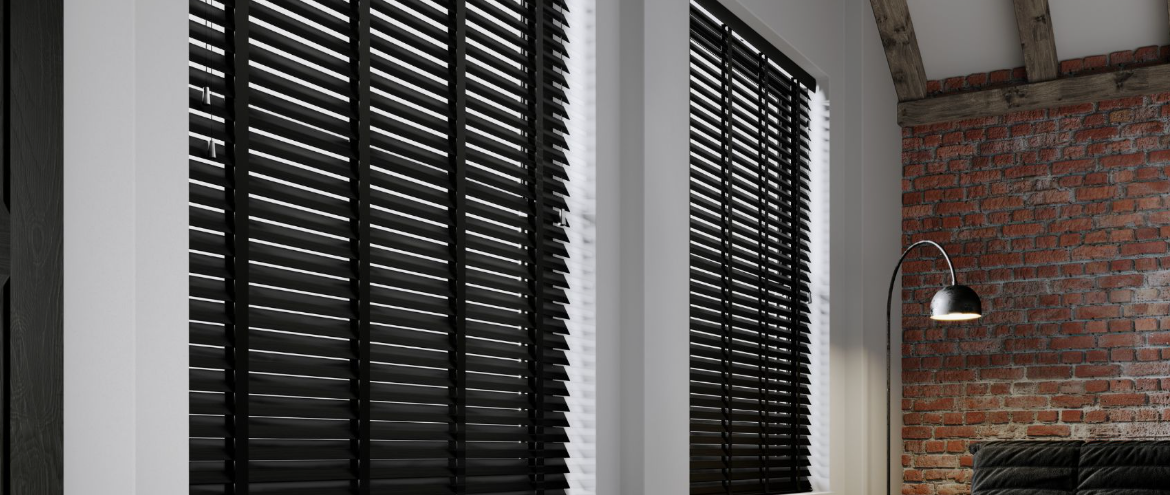
Privacy is one of the main reasons people cover their windows in the first place. You want to live in your home without feeling like the street, the neighbors, or anyone passing by can see in. The covering you pick decides how much privacy you get and when you get it, since some block the view from outside all the time while others only do it during the day. Picking the right one for each room takes a little thought about where the windows face and how the room gets used.
Here is how to choose window coverings for privacy, room by room, so your home stays your own without feeling closed off.
How Privacy Works at a Window
The first thing to know is that privacy at a window changes with the light. During the day, when it is brighter outside than in, many coverings let you see out while keeping people from seeing in. At night, when the lights are on inside and it is dark outside, that flips. Now the inside is the bright side, and a covering that gave daytime privacy may let the inside show.
This is why the time of day matters so much when picking for privacy. A covering that works fine in the afternoon might leave a lit room visible after dark. Knowing this helps you match the covering to when you actually need the privacy in each room.
Daytime Privacy
For daytime, lighter coverings often do the job. Solar shades, light filtering shades, and sheer fabrics let you see out while making it hard to see in when the sun is up. These keep a room bright and open while still giving cover from the street during daylight hours, which suits living rooms and kitchens where you want light and some privacy at once.
Nighttime Privacy
For full privacy after dark, you need a covering that closes off the view completely. Blackout shades, closed blinds, closed shutters, or heavier drapery block the view in both directions regardless of the light. Rooms where you need privacy at night, like bedrooms and bathrooms, call for these or for a layered setup that adds a solid layer for the evening.
Privacy by Room
Different rooms need different levels of privacy, so it helps to think about each one on its own.
Bedrooms
Bedrooms need privacy day and night, and they usually need darkness for sleep too. This points toward blackout shades, closed blinds, or a layered setup. A common approach pairs a light filtering shade for the day with a blackout layer for night, which gives daytime softness and full nighttime privacy on the same window. Closed shutters also handle both, since the louvers shut tight for privacy and darkness.
Bathrooms
Bathrooms need privacy at all hours, so the covering has to close off the view fully. Faux wood blinds work well here, since they close tight for privacy and handle the moisture and steam a bathroom creates. Top down bottom up shades are another good fit, letting you lower the top for light while keeping the bottom closed for privacy. For a bathroom, the covering has to handle both the privacy and the damp air.
Living Rooms
Living rooms usually want to feel bright and open during the day while still having some privacy from the street. Solar shades and light filtering shades give daytime privacy while keeping the view and the light. For evenings, when the room is in use and lit, a layered setup with drapery or a blackout option adds the nighttime cover. This balance keeps the room open when you want it and private when you need it.
Home Offices
A home office often needs privacy for calls and focus, and the windows may face a street or a neighbor. A covering you can close fully when a call calls for it, then open back up for the light, fits this room well. Solar shades give daytime privacy while keeping the view, and blinds or shutters close down for full cover when needed. For an office on a ground floor, the move is a covering that lets you switch between open and private as the workday shifts.
Coverings That Handle Both Day & Night
Some coverings are built to give privacy across the full day, which makes them a strong pick for rooms where you need cover at all hours.
Top Down Bottom Up Shades
These shades open from the top as well as the bottom. You can lower the top to let light in over a high line while keeping the lower part closed for privacy. This is great for ground floor windows facing a street or a neighbor, since you get light up high and privacy down low at the same time. They give a flexible answer to the privacy problem that a standard shade does not.
Shutters
Plantation shutters give solid privacy when the louvers are closed, and they let you angle the light when open. You can tilt the louvers up to let light in while blocking the view from below, which suits a window facing a sidewalk. Closed all the way, they shut the room off fully. That range makes shutters a strong choice for privacy in any room.
Layered Setups
Layering gives you the most control. A sheer or light filtering layer handles the day, and a solid layer like drapery or a blackout shade handles the night. You use one, the other, or both depending on the hour. For rooms where privacy needs shift through the day, this is often the cleanest answer.
Privacy Without Losing Light
A common worry is that more privacy means a darker room. It does not have to. The trick is matching the covering to give privacy at the level you need while still letting in the light you want.
Solar shades and light filtering fabrics give daytime privacy while keeping a room bright. Top down bottom up shades let light in up high while keeping privacy down low. Sheers soften the view from outside while letting the daylight through. With the right pick, you keep a room feeling open and lit while still getting the cover you want from the street. You do not have to choose between privacy and a bright room.
Getting the Fit Right for Privacy
A covering only gives full privacy window treatments if it fits the window well. Gaps on the sides leave lines of sight into the room, which undoes the point of covering the window. This matters most for the rooms where privacy is the main goal, like bedrooms and bathrooms.
This is where a proper measure and install makes the difference. A covering fitted to the exact window closes off the view with no gaps at the edges. For homeowners across the Greater Houston area, a local team like Gulf Coast Blind & Shutter measures and installs each window so the coverings sit tight and the privacy holds. Owner Kim Van Wieren handles each fit personally, which keeps the light gaps to a minimum where privacy counts most. An inside mount keeps a clean look, while an outside mount covers more of the edges for added privacy.
Bringing It Together
Choosing window coverings for privacy comes down to knowing how privacy changes with the light and matching the covering to when each room needs it. Daytime privacy comes easily with solar shades, light filtering fabrics, and sheers, while nighttime privacy calls for blackout shades, closed blinds, closed shutters, or a layered setup.
Think about each room, since bedrooms and bathrooms need cover at all hours while living rooms want daytime privacy with an open feel. Top down bottom up shades and shutters give cover without losing light, and a layered approach offers the most control. Get the fit right so no gaps leave a line of sight, and for homeowners who want it handled, a local team like Gulf Coast Blind & Shutter can fit the coverings so the privacy holds. Sort that out, and your home stays your own at every hour of the day.


 sojim sojim