walton hood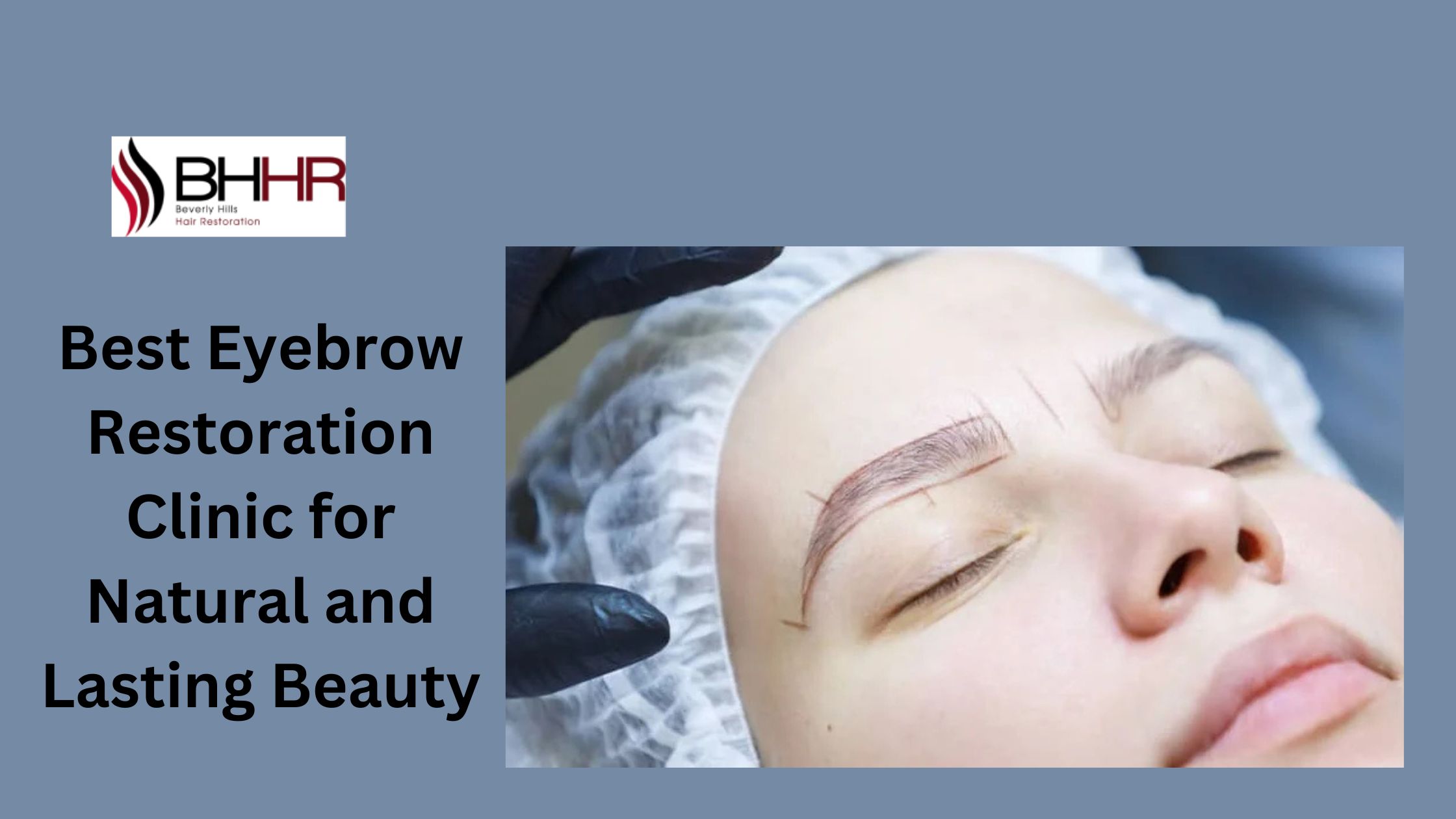
Eyebrows play an important role in shaping facial expressions and enhancing overall appearance. Thin, uneven, or patchy brows can affect confidence and make facial features appear less balanced. Many people experience eyebrow thinning due to overplucking, aging, genetics, or certain medical conditions. As beauty and cosmetic treatments continue to evolve, more individuals are exploring long-term solutions for achieving fuller and more natural-looking brows. Modern eyebrow restoration procedures are designed to create soft, natural results that complement each person’s facial structure. Unlike temporary makeup solutions, advanced eyebrow enhancement methods focus on lasting improvement. With personalized treatment planning and careful placement techniques, individuals can achieve fuller brows that look natural and blend seamlessly with existing hair.
Causes of Thin or Sparse Eyebrows
There are several reasons why people develop thin or sparse eyebrows over time. One of the most common causes is excessive plucking or waxing, which may damage hair follicles and prevent regrowth. Aging can also contribute to eyebrow thinning as hair naturally becomes finer and less dense with time. Genetics plays a major role as well, since some individuals naturally have lighter or thinner brows. In some cases, scars, burns, or skin injuries can create uneven patches in the eyebrow area.
Medical conditions and certain medications may also affect eyebrow growth. Hormonal changes, nutritional deficiencies, and stress can sometimes contribute to hair loss around the brows. Regardless of the cause, eyebrow thinning can impact self-confidence and daily beauty routines. Many individuals spend time filling in their brows with makeup products to achieve a fuller appearance, leading them to seek more permanent cosmetic solutions.
What Is Eyebrow Restoration?
Eyebrow restoration is a cosmetic procedure designed to improve the thickness, shape, and overall appearance of eyebrows using natural hair follicles. The treatment typically involves carefully transplanting healthy hair follicles into areas with thin or missing eyebrow hair. The goal is to create fuller, symmetrical brows that match the patient’s facial features and desired appearance.
During the procedure, specialists design the eyebrow shape based on facial proportions and personal preferences. Hair follicles are placed at precise angles to ensure natural-looking growth patterns. Since eyebrow hair grows differently from scalp hair, attention to detail is essential for achieving realistic results.
Modern techniques allow patients to enjoy softer and more refined outcomes than older cosmetic procedures. This approach is popular among individuals who want long-lasting improvement without relying heavily on makeup products or temporary beauty treatments.
Benefits of Modern Eyebrow Restoration Services
Modern eyebrow restoration services offer several advantages for people seeking fuller and more defined brows. One of the biggest benefits is achieving natural-looking brows that enhance facial harmony. Because the procedure uses the patient’s own hair follicles, the final appearance often blends smoothly with existing eyebrow hair.
Another major benefit is long-term improvement. Unlike eyebrow pencils, powders, or semi-permanent cosmetic treatments, eyebrow restoration provides results that can last for years with proper care. Patients can enjoy fuller eyebrows without needing daily touch-ups.
The treatment is also highly customizable. Specialists carefully design brow shapes based on facial structure, personal style, and desired density. Whether someone wants subtle enhancement or a more dramatic improvement, customized treatment planning helps create balanced and natural results.
Many individuals also appreciate the convenience of waking up with defined brows every day, reducing time spent on makeup routines and eyebrow maintenance.
The Treatment Process and Recovery
The eyebrow restoration process usually begins with a consultation to discuss the patient’s goals, medical history, and desired eyebrow shape. During this stage, specialists evaluate the eyebrow area and create a personalized treatment plan tailored to the individual’s facial features.
On the day of the procedure, healthy hair follicles are typically collected from a donor area and carefully implanted into the eyebrows. Each follicle is placed with attention to angle, direction, and density to achieve natural-looking growth. The procedure is generally performed with patient comfort in mind.
After treatment, mild redness or slight swelling may appear temporarily around the eyebrow area. Some transplanted hairs may shed during the early healing stage, which is considered a normal part of the process. Over time, new hair growth develops gradually, leading to fuller and more refined brows. Following proper aftercare instructions can help support smooth healing and long-lasting results.
Why Choose BHHR in Palm Desert
BHHR in Palm Desert offers personalized eyebrow enhancement services focused on creating natural and balanced results. Every patient has unique facial features and aesthetic goals, which is why individualized treatment planning plays an important role in the overall experience. Careful attention is given to eyebrow design, hair placement, and creating symmetry that complements each person’s appearance.
The team focuses on providing a comfortable and informative experience throughout the treatment journey. From the initial consultation to post-procedure care, patients receive guidance designed to help them feel confident and informed about the process.
Natural-looking outcomes remain a key priority during eyebrow procedures. By using modern techniques and customized treatment approaches, BHHR in Palm Desert helps individuals achieve fuller brows that enhance facial appearance while maintaining a soft and realistic look.
Tips for Maintaining Healthy Eyebrows After Treatment
Proper aftercare can help maintain healthy eyebrows and support long-lasting results after treatment. Patients should follow all instructions provided by their specialist during the healing process. Keeping the eyebrow area clean and avoiding unnecessary touching can help reduce irritation during recovery.
It is also important to avoid excessive plucking or waxing after the procedure, as this may affect the natural shape and density of the brows. Gentle skincare products should be used around the eyebrow area to prevent irritation. Staying hydrated and maintaining a healthy diet may also support healthy hair growth over time.
Regular trimming may occasionally be needed since transplanted hairs can grow differently from natural eyebrow hair. Protecting the skin from excessive sun exposure and attending follow-up appointments can also help maintain natural-looking and balanced results.
Conclusion
Full, well-shaped eyebrows can enhance facial balance and improve overall confidence. Modern cosmetic procedures now provide effective options for individuals dealing with thin or uneven brows caused by aging, genetics, overplucking, or other factors. With customized treatment planning and advanced techniques, natural-looking results are more achievable than ever. Eyebrow restoration offers a long-term solution for those seeking fuller and more defined brows without relying on daily makeup products. By choosing experienced professionals and following proper aftercare, individuals can enjoy lasting improvement and a more polished appearance for years to come.


 momin saudi