pakagristore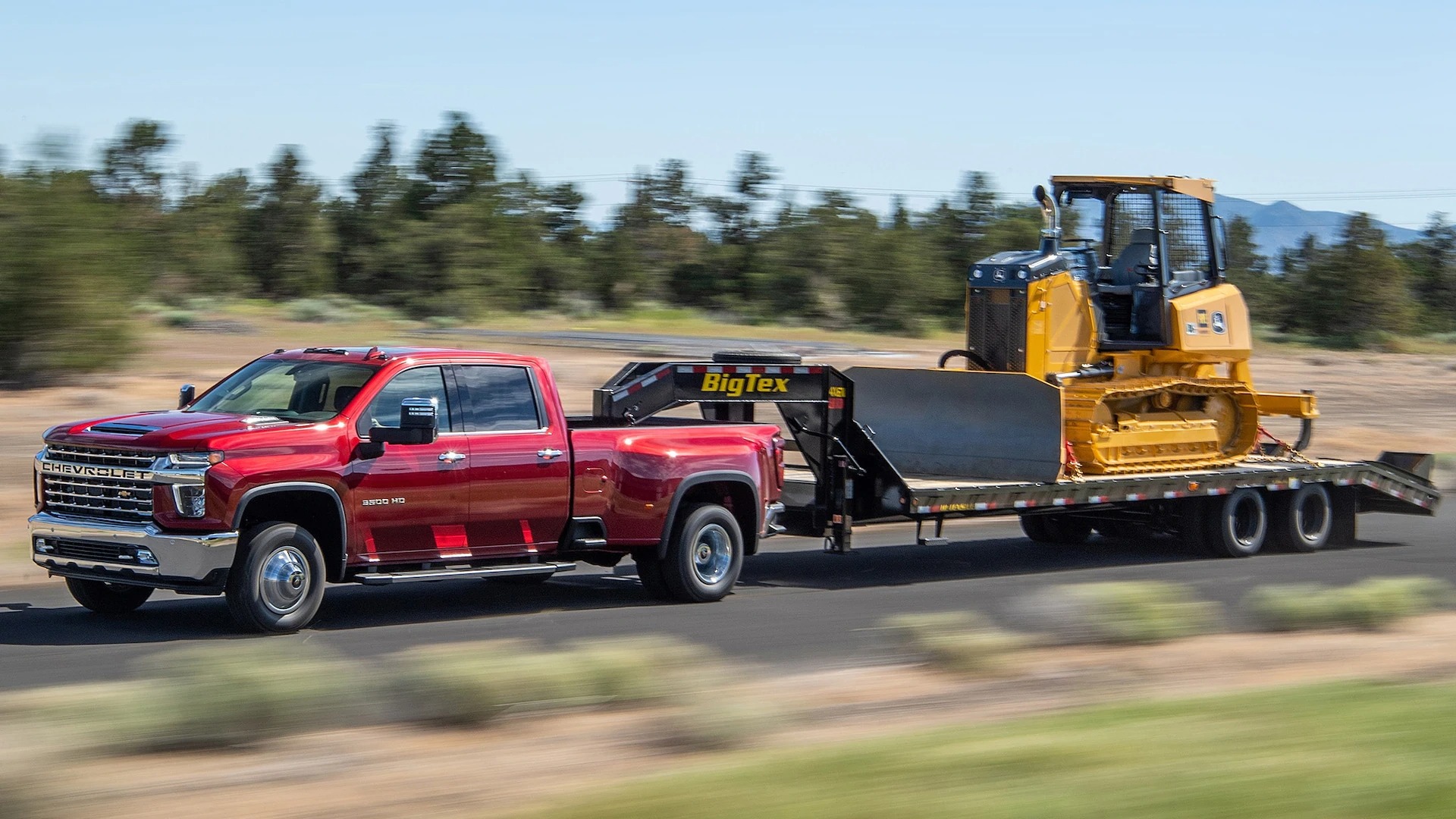
Hotshot trucking has become an important part of the U.S. freight market, particularly for time-sensitive loads that do not require a full-size tractor-trailer. But finding suitable freight is only one part of running a successful operation. Drivers and owner-operators also have to manage rate negotiations, broker communication, paperwork, route planning, scheduling, and compliance tasks. Hotshot Dispatch refers to the specialized coordination of these activities so drivers can spend more time focused on transportation and less time handling administrative work.
For independent carriers, the right dispatch approach can make daily operations more organized. It can also help reduce empty miles, improve communication with brokers, and identify freight that fits the truck, trailer, equipment, and operating area.
What Does a Hotshot Dispatcher Actually Do?
A hotshot dispatcher acts as a communication and coordination point between a carrier and the freight market. Their responsibilities can vary depending on the agreement with the carrier, but the work commonly includes searching for available loads, reviewing load details, communicating with brokers, negotiating rates, and helping organize a driver’s schedule.
A dispatcher may also check important details before a carrier accepts a load. These can include pickup and delivery locations, appointment times, commodity type, weight, dimensions, loading requirements, and equipment specifications.
For example, imagine a hotshot driver based in Dallas who needs a load heading toward Houston. A dispatcher can review available freight, compare the revenue and mileage involved, and check whether the load fits the driver’s equipment and schedule. The goal is not simply to find a load, but to evaluate whether it makes operational sense.
This distinction is important because a high-paying load is not automatically a profitable load. Fuel costs, deadhead miles, tolls, waiting time, and return opportunities can significantly affect the final result.
How Hotshot Dispatch Services Support Owner-Operators
Independent hotshot carriers often handle several jobs at once. They drive the truck, maintain equipment, communicate with customers, manage paperwork, monitor expenses, and search for the next load.
Professional hotshot dispatch services can take some of the communication and freight-search responsibilities away from the driver. This may allow an owner-operator to focus more closely on safe driving, equipment maintenance, and timely deliveries.
One practical benefit is improved load planning. Instead of accepting individual loads without considering the next destination, dispatch planning can look at a broader route. A driver traveling from Texas to Oklahoma, for instance, may want to evaluate whether another suitable shipment is available near the delivery area.
Good planning can help reduce unnecessary empty miles. However, dispatchers cannot eliminate market fluctuations. Freight availability changes according to season, region, commodity demand, weather, and broader economic conditions.
Another useful function is broker communication. A dispatcher can help organize rate confirmations, pickup instructions, appointment information, and other documents. Keeping these details organized can reduce confusion when a driver is working under time pressure.
Choosing a Hotshot Dispatcher Based on Real Needs
The phrase hotshot dispatcher covers a wide range of services, so carriers should understand what is actually included before entering an agreement.
Some dispatch arrangements focus primarily on load searching and negotiation. Others may include document management, route coordination, broker communication, and ongoing administrative support.
Equipment is another important consideration. A carrier operating a gooseneck trailer may have different freight opportunities from a carrier using a flatbed or another specialized setup. Dispatch decisions should therefore account for the actual truck and trailer combination rather than relying on generic load recommendations.
Geography matters as well. A carrier who prefers Texas, for example, may want dispatch planning centered around Texas freight lanes rather than constantly being sent across the country. Regional preferences should be discussed before loads are booked.
Carriers should also understand how fees are calculated, what communication is expected, and whether there are contractual requirements. Clear expectations can prevent disagreements later.
Why Texas Is an Important Market for Hotshot Trucking
Texas has a large and diverse freight market, making it a significant area for hotshot carriers. Industries such as energy, construction, manufacturing, agriculture, and oilfield services can generate demand for equipment, parts, materials, and other time-sensitive shipments.
For a carrier searching for a hotshot dispatch service in Texas, local market knowledge can be useful. Understanding major freight corridors and regional demand may help with planning, although no dispatcher can guarantee a specific number of loads or a particular rate.
Consider a driver operating between Houston, Dallas-Fort Worth, San Antonio, and the surrounding areas. A dispatcher familiar with these markets may evaluate available freight based not only on the current pickup but also on where the truck is likely to end up afterward.
This type of forward planning is especially relevant to hotshot trucking because smaller carriers can be more sensitive to deadhead mileage. A load that looks attractive on paper may become less appealing when a driver has to travel hundreds of unpaid miles to reach the next shipment.
What to Look for When Comparing Hotshot Dispatch Companies
There are many hotshot dispatch companies, but carriers should compare them based on practical service quality rather than marketing claims.
One useful question is how the company evaluates loads. Does it consider mileage, equipment requirements, pickup and delivery schedules, and the carrier’s preferred lanes? A thoughtful approach is generally more useful than simply sending every available load.
Communication is another factor. Drivers need accurate information, particularly when pickup times, broker instructions, or delivery appointments change. A dispatcher should have a clear process for communicating important updates.
Transparency around fees is equally important. Carriers should know whether dispatch fees are percentage-based, fixed, or structured in another way. Any additional charges should be explained before an agreement is signed.
Compliance awareness also matters. Dispatch support does not remove the carrier’s responsibility for operating legally and maintaining required records. The carrier remains responsible for its own regulatory obligations, safety practices, insurance, equipment, and financial decisions.
EverMark Dispatchers, for example, can be considered in the broader context of dispatch support for carriers looking to organize freight coordination and communication. As with any service provider, carriers should evaluate the actual services offered and determine whether they match their operating model.
A Practical Example of Effective Load Planning
Suppose a hotshot operator in Austin receives a potential shipment to Oklahoma City. The gross rate may initially appear attractive, but several questions should be answered before accepting it.
How many loaded miles are involved? How far is the truck from pickup? Is the trailer suitable for the commodity? What are the pickup and delivery appointment requirements? Are there likely reload opportunities near Oklahoma City? What fuel and operating costs should be expected?
These questions turn load selection into a business decision rather than a simple search for the highest advertised rate.
A dispatcher can help organize this information, but the carrier should remain involved in the decision-making process. The driver knows the condition of the equipment, preferred routes, available hours, and personal operating limits.
That shared responsibility can create a more realistic approach to freight planning. Dispatching works best when the carrier and dispatcher communicate clearly instead of treating the dispatcher as a replacement for business judgment.
Conclusion
Hotshot trucking requires more than finding freight. Successful day-to-day operations depend on planning, communication, accurate paperwork, route awareness, and careful evaluation of each load. Specialized dispatch support can help owner-operators manage these responsibilities while keeping attention on driving and delivering freight safely.
The value of Hotshot Dispatch is therefore not simply in locating another load. It is in creating a more organized process for evaluating freight, communicating with brokers, planning routes, and making decisions based on the carrier’s equipment and operating goals. For independent hotshot carriers across the USA, understanding how dispatch services work can help them choose a support model that fits the realities of their business.


 Anderi Rasel