weight loss clinic in Islamabad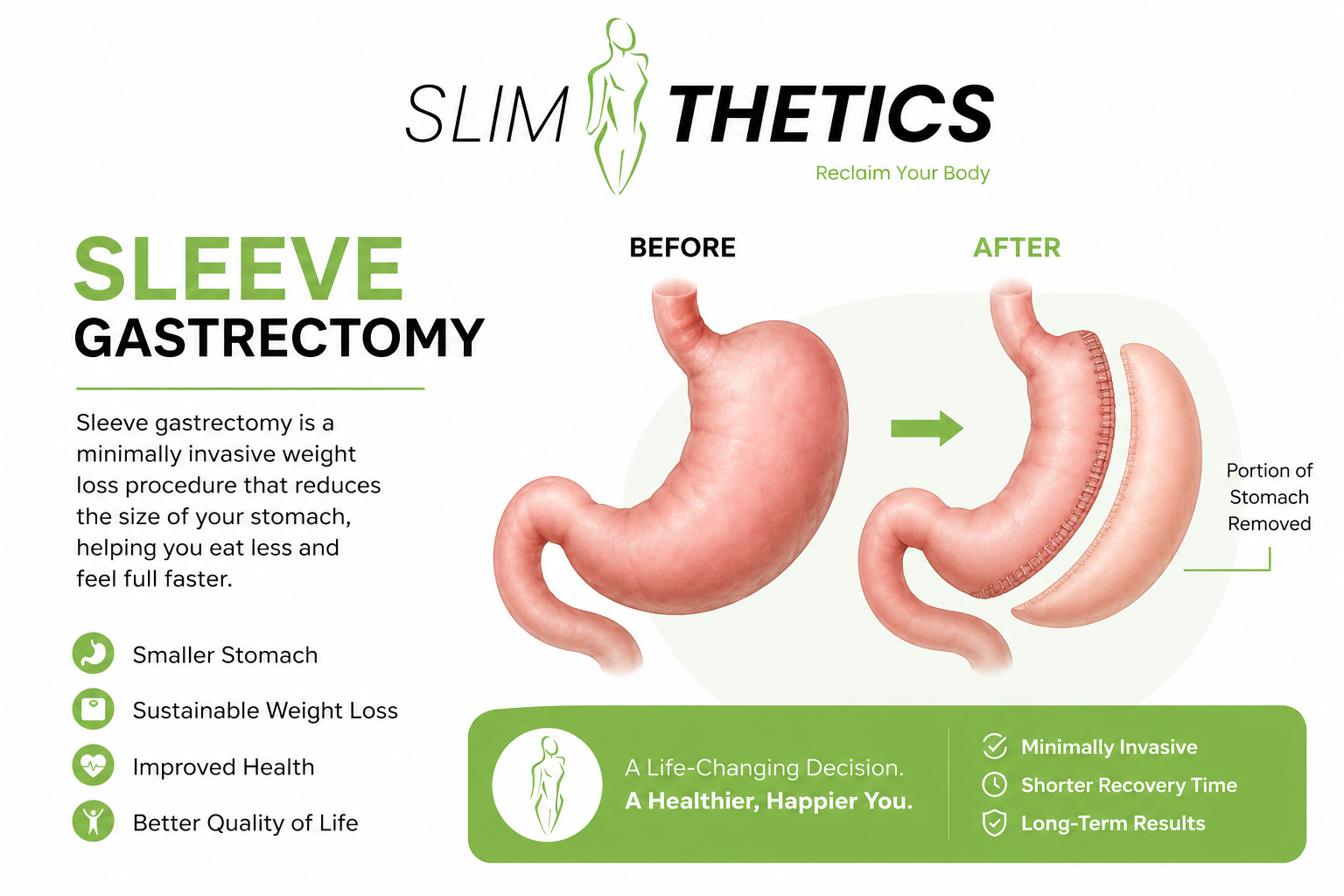
Recovering from sleeve gastrectomy involves more than the surgery itself. Your stomach needs time to heal and gradually adapt to smaller portions and different food textures. One of the most important stages of this journey is the pureed food stage, which usually comes after the initial liquid diet and before soft foods. Following the recommended diet progression can support healing, improve nutrition, and reduce digestive discomfort.
For patients undergoing Sleeve Gastrectomy in Islamabad, understanding what to eat during the pureed stage is an important part of preparing for recovery. Your bariatric surgeon or dietitian may recommend a specific timeline based on your individual condition, surgical technique, and recovery. Although dietary plans can vary, the general goal is to introduce smooth, nutrient-rich foods in small portions while avoiding foods that may irritate the healing stomach.
What Is a Pureed Diet After Sleeve Gastrectomy?
A pureed diet consists of foods that have been blended or processed until they become completely smooth, soft, and easy to swallow. The consistency is generally similar to a thick soup, smooth yogurt, or baby food without chunks.
- Smooth texture: Foods should contain no hard pieces, skins, seeds, or lumps.
- Small portions: Your newly reduced stomach can only accommodate limited amounts.
- Protein-focused: Protein is prioritized to support healing and preserve muscle.
- Easy digestion: Smooth foods can be easier for the stomach to tolerate during recovery.
Why Is Pureed Food Necessary?
After sleeve gastrectomy, the stomach has undergone significant surgical changes and requires time to heal. Introducing solid or difficult-to-digest foods too quickly may cause discomfort, nausea, vomiting, or other digestive problems.
- Gives the stomach time to heal.
- Gradually reintroduces food textures.
- Helps patients adjust to smaller meals.
- Makes portion control easier.
- Supports a gradual transition toward normal eating.
When Can You Start Pureed Foods After Sleeve Gastrectomy?
The timing varies from patient to patient. Many bariatric programs introduce pureed foods after an initial liquid phase, but the exact schedule should come from your surgeon and dietitian.
- Early recovery: Patients typically begin with approved liquids.
- Pureed stage: Smooth foods are introduced once the healthcare team considers it appropriate.
- Soft-food stage: More textured foods are gradually added later.
- Regular diet: Patients eventually transition toward healthy solid foods.
Do not advance your diet simply because you feel ready. Your surgical team should determine when your stomach is sufficiently healed for the next stage.
Best Pureed Foods After Sleeve Gastrectomy
The best pureed foods are generally nutrient-dense, low in added sugar, and rich in protein. You should avoid foods that contain chunks or are difficult to digest.
1. Pureed Lean Protein
Protein is particularly important during bariatric surgery recovery because it helps support tissue repair and maintain lean muscle mass.
- Skinless chicken blended with low-fat broth.
- Lean turkey blended until smooth.
- Fish such as tuna or other soft, boneless varieties.
- Eggs prepared into a smooth consistency.
- Low-fat cottage cheese blended if necessary.
- Plain Greek yogurt, if tolerated.
2. Pureed Vegetables
Vegetables can provide vitamins, minerals, and fiber. During the pureed stage, they should be cooked until very soft and then blended thoroughly.
- Cooked carrots.
- Pumpkin.
- Squash.
- Zucchini.
- Spinach.
- Cauliflower.
- Well-cooked potatoes in appropriate portions.
Avoid fibrous vegetables or vegetable pieces that remain chunky after blending.
3. Low-Fat Dairy Options
Some dairy products can provide both protein and calcium, although individual tolerance varies.
- Plain Greek yogurt.
- Low-fat yogurt without added sugar.
- Smooth cottage cheese.
- Low-fat milk if approved by your dietitian.
If dairy causes bloating, cramping, or diarrhea, discuss alternatives with your healthcare provider.
How to Prepare Pureed Meals
Proper preparation is important because even nutritious foods can be difficult to tolerate if they contain lumps or are too thick.
Step 1: Cook Food Until Soft
Protein and vegetables should be thoroughly cooked before blending.
- Remove bones, skin, seeds, and tough portions.
- Use steaming, boiling, or other approved cooking methods.
- Avoid excessive oil and heavy sauces.
Step 2: Blend Thoroughly
Place the cooked food into a blender or food processor and process until completely smooth.
- Add a small amount of approved low-calorie liquid if necessary.
- Check carefully for lumps.
- Avoid leaving chunks of meat or vegetables.
Step 3: Eat Slowly
Even pureed foods should not be consumed quickly.
- Take small spoonfuls.
- Eat slowly.
- Stop when you feel comfortably satisfied.
- Follow your healthcare team’s instructions regarding fluids around meals.
Sample Pureed Food Ideas
Patients often find it easier to follow the pureed stage when they have several simple meal options.
Breakfast
A small serving of smooth, protein-rich food may be appropriate depending on your dietary plan.
- Plain Greek yogurt.
- Smooth blended egg.
- Approved protein shake.
Lunch
A protein-centered puree can provide important nutrients without requiring solid food.
- Blended chicken with low-fat broth.
- Pureed fish with soft vegetables.
- Smooth lentil or bean puree if approved and tolerated.
Dinner
Dinner can follow the same protein-first approach.
- Pureed lean meat with cooked vegetables.
- Smooth chicken and vegetable soup.
- Pureed cottage cheese with an appropriate soft food.
Always follow the portion sizes and nutritional recommendations provided by your bariatric team.
Foods to Avoid During the Pureed Stage
Not every food becomes suitable simply because it has been placed in a blender. Some foods can remain difficult to tolerate or may provide excessive calories with limited nutritional value.
- Fried or greasy foods.
- High-sugar desserts.
- Carbonated beverages.
- Tough or fibrous meats.
- Foods containing seeds or skins.
- Large food pieces or lumps.
- Very spicy foods if they cause irritation.
- High-fat sauces and gravies.
- Sugary juices and sweetened beverages.
- Alcohol.
Why Should You Avoid Sugary Foods?
Foods and beverages high in added sugar can make it harder to achieve long-term weight-loss goals. They may also provide substantial calories without supplying the protein and nutrients your recovering body needs.
- Choose nutrient-dense foods.
- Prioritize protein.
- Limit added sugar.
- Follow your prescribed calorie and portion guidelines.
How Much Should You Eat?
Portion sizes after sleeve gastrectomy are much smaller than they were before surgery. Your exact portion should be determined by your bariatric team because tolerance and recovery differ between patients.
- Start with the amount recommended by your healthcare provider.
- Eat slowly and carefully.
- Do not force yourself to finish food.
- Stop if you experience discomfort or fullness.
Over time, your dietary team can guide you as portion sizes and food textures gradually increase.
Importance of Protein After Sleeve Gastrectomy
Protein deserves special attention during the recovery process. Your body needs protein for healing, maintaining muscle, and supporting overall nutritional health.
Good Protein Sources
Depending on your individualized plan, suitable options may include:
- Lean poultry.
- Fish.
- Eggs.
- Greek yogurt.
- Cottage cheese.
- Low-fat dairy.
- Approved protein supplements.
- Smoothly pureed legumes.
Your dietitian can calculate an appropriate protein target based on your health, weight, activity level, and recovery requirements.
What About Fluids?
Hydration remains an important part of recovery after sleeve gastrectomy. However, patients often need to adjust how and when they consume fluids because the stomach has significantly less capacity.
- Sip fluids gradually throughout the day.
- Follow your team’s recommendations about drinking around meals.
- Choose water and other approved calorie-free beverages.
- Avoid carbonated and sugary drinks unless specifically approved.
If you struggle to maintain adequate fluid intake or develop symptoms of dehydration, contact your healthcare provider.
Common Mistakes During the Pureed Stage
Even when patients understand the basic diet, several mistakes can interfere with recovery and weight-loss progress.
Eating Too Quickly
Rapid eating can cause discomfort because the reduced stomach has limited capacity.
- Take small bites or spoonfuls.
- Eat slowly.
- Give yourself enough time for meals.
Choosing High-Calorie Purees
Blending unhealthy foods does not make them healthy.
- Avoid excessive butter, cream, oil, and sugar.
- Focus on lean protein and nutrient-rich ingredients.
- Follow your dietitian’s calorie recommendations.
Advancing Food Texture Too Soon
Moving directly from liquids to solid foods can place unnecessary stress on the healing stomach.
- Follow the prescribed diet stages.
- Do not compare your recovery timeline with another patient.
- Ask your surgeon before introducing new textures.
What If You Feel Nauseous After Eating?
Mild digestive changes can occur during the recovery process, but persistent or severe symptoms should not be ignored.
- Stop eating if you experience significant discomfort.
- Review your eating speed and portion size.
- Contact your bariatric team if symptoms persist.
- Seek urgent medical attention for severe pain, persistent vomiting, difficulty keeping fluids down, or other concerning symptoms.
Your healthcare team can determine whether symptoms are related to diet, recovery, or another complication.
Transitioning From Pureed Foods to Soft Foods
The pureed stage is temporary. Once your surgeon or dietitian confirms that you are ready, you will gradually move toward soft foods.
Typical Progression
- Liquid foods: Focus on hydration and approved nutritional liquids.
- Pureed foods: Introduce smooth, protein-rich foods.
- Soft foods: Gradually add tender foods with more texture.
- Regular healthy foods: Slowly expand food choices according to your bariatric plan.
The exact schedule varies, so your individual medical instructions should take priority over any general online guide.
Frequently Asked Questions
Can I Eat Rice During the Pureed Stage?
Rice is generally not one of the first foods introduced during the pureed stage. Your dietitian can advise when and how it may be reintroduced based on your recovery.
Can I Eat Fruit After Sleeve Gastrectomy?
Some soft fruits may eventually be introduced, but during the pureed stage they should be prepared according to your dietary plan. Avoid fruit with tough skins, seeds, or large pieces.
Can I Eat Spicy Food?
Spicy foods may cause discomfort for some patients. It is generally better to introduce them cautiously and only when your healthcare team considers them appropriate.
How Long Will I Need Pureed Foods?
There is no universal timeline. Your surgeon and dietitian will determine when you should progress based on healing, tolerance, nutritional needs, and your overall recovery.
Final Thoughts
The pureed-food stage is an important bridge between the initial liquid diet and more textured foods after sleeve gastrectomy. Choosing smooth, protein-rich, nutrient-dense foods, eating slowly, maintaining hydration, and following your bariatric team’s instructions can make the transition more comfortable and support your long-term weight-loss journey.
For patients considering Sleeve Gastrectomy in Islamabad, choosing an experienced bariatric team can make a significant difference in preparation, surgery, nutritional guidance, and follow-up care. Slimthetics Clinic provides a patient-focused approach to weight management and bariatric care, helping patients understand each stage of their journey from initial consultation through recovery. Speak with the Slimthetics team to learn whether sleeve gastrectomy may be appropriate for your individual weight-loss goals and medical needs.


 momin saudi
 Amir Hamza