Tech Mogi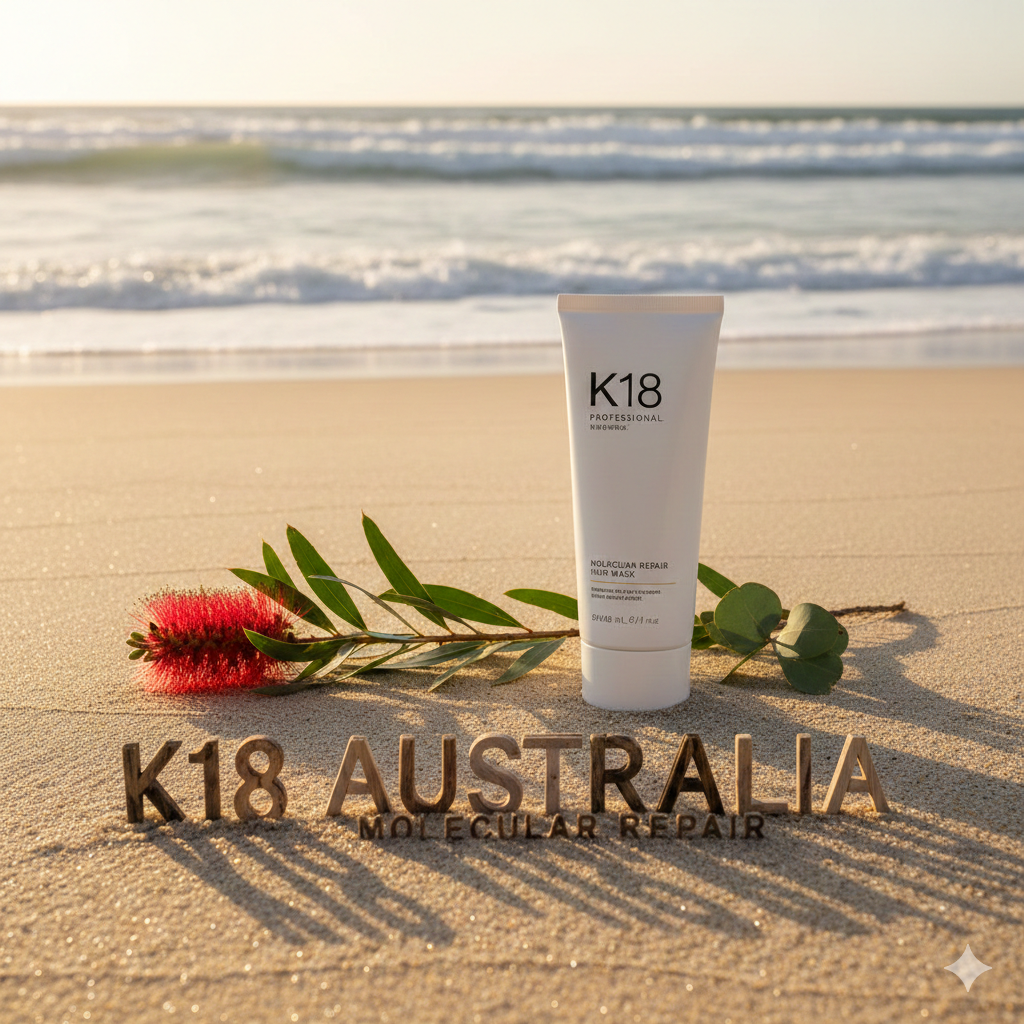
In recent years, the haircare world has been swept up by a new type of treatment promising to go beyond ordinary conditioners and traditional masks — specifically those that merely coat the hair surface. Among these, the K18 Molecular Repair Mask has become one of the most talked‑about products in Australia and globally. Boasting a biotech‑developed formula that targets damage at a molecular level, many people now view it as a game‑changer for hair repair. But what exactly is this product, how does it work, and is it worth the hype? This article explores the science, benefits, usage, and real‑world considerations around the K18 Molecular Repair Mask in the Australian context.
What Is the K18 Molecular Repair Mask?
The K18 Molecular Repair Mask is a leave‑in hair treatment designed to repair damaged hair from within the strand rather than simply smoothing the surface. It is formulated with a patented peptide — often referred to as K18PEPTIDE™ — that works to reconnect broken protein chains (polypeptide and disulfide bonds) inside hair fibers. These structural elements are commonly disrupted by chemical services, heat styling, bleaching, colour treatments, and environmental stress.
Unlike many traditional hair masks that coat the cuticle (outer layer) to provide softness and shine, the K18 mask aims to rebuild and strengthen the hair’s core structure. Its leave‑in design means there’s no rinsing required — users apply it after shampooing and wait for about four minutes before styling.
The Science Behind the Product
At the heart of the K18 Molecular Repair Mask is K18PEPTIDE™, a bioengineered sequence meant to mimic natural hair structure. This peptide is small enough to penetrate deep into the hair cortex — the thick interior where most of the structural damage occurs. Once inside, the peptide interlaces with broken keratin chains and disulfide bonds to help rebuild the internal architecture of the hair fiber.
The product is also pH‑optimized (about 5.0–6.0) to help hair proteins remain in their most resilient state. This acidic range helps reduce cuticle swelling, allowing the peptide to work more effectively.
This approach contrasts with many traditional conditioning treatments that primarily work on the hair’s surface. Because it targets deeper layers, the mask aims for more long‑lasting and meaningful changes in strength, elasticity, and manageability.
Key Benefits Explained
1. Repair from the First Use
One of the product’s hallmark claims is that it begins reversing damage from the very first application. The K18 peptide reconnects broken chains and reinforces hair structure during the four‑minute wait time post‑application.
2. Works on All Hair Types
Because the peptide acts at the fundamental structural level — where human hair shares the same chemistry — it is marketed as suitable for all hair types, whether straight, curly, fine, thick, treated, or natural.
3. Improved Strength and Elasticity
Users often report stronger, more resilient hair with improved elasticity. This can help reduce breakage and split ends that result from brittleness and over‑processing.
4. Leave‑In Convenience
Unlike traditional masks that require rinsing and conditioning time in the shower, the K18 mask is a leave‑in treatment. After shampooing and towel‑drying the hair, application takes just a few moments, followed by a short wait.
5. Vegan and Cruelty‑Free Formula
The mask is formulated without sulfates, parabens, silicones, and other potentially harsh ingredients, and its vegan, cruelty‑free profile resonates with many users seeking cleaner beauty options.
How to Use It: Step‑by‑Step
A typical usage routine for the K18 Molecular Repair Mask, as recommended by official sources and retailers in Australia, looks like this:
-
Shampoo only — condition should be skipped prior to applying the mask to ensure maximum penetration.
-
Towel‑dry hair thoroughly — hair should be damp, not sopping wet.
-
Apply the mask — start with 1–3 pumps depending on length and thickness, work from ends to roots.
-
Wait four minutes — this allows the peptide to work deeply within the hair structure.
-
Style as usual — you may follow with other styling products once the mask has set.
The product is typically most effective when used consistently over several washes after a damaging hair service such as colouring or bleaching.
Real‑World Experiences: Pros and Cons
While the science and claims are compelling, real‑world feedback from users in Australia and globally presents a mixed picture.
Positive Experiences
Many users report noticeable improvements in softness, shine, and overall manageability after a few uses. Some also notice that hair feels stronger and less prone to breakage, especially after heat styling or chemical treatments. These positive outcomes align with the product’s design to strengthen hair from within.
Challenges and Considerations
Not all experiences are uniformly positive. Some users find that using the mask without any conditioner can leave hair feeling dry or tangled, especially for those with very fine or fragile hair. In these cases, a light conditioning product applied after the four‑minute wait may help. Additionally, dosage is key — over‑application can lead to undesirable texture.
There are also occasional reports of counterfeit products being sold online, which may not perform as intended. Purchasing from reputable Australian retailers or directly from the brand’s official channels helps reduce this risk.
How It Compares to Traditional Hair Masks
Traditional hair masks typically work by coating the hair shaft with moisturising agents, oils, and conditioning ingredients. While this can temporarily improve smoothness and shine, it does not address underlying structural damage. The K18 Molecular Repair Mask’s claim to rebuild protein structures sets it apart from surface‑level conditioners.
However, this does not necessarily mean it replaces all other hair treatments. Some users find that layering products — for example, following the K18 treatment with a lightweight conditioner or styling product — provides the best balance of strength and softness.
Conclusion
The K18 Molecular Repair Mask has become a distinctive and scientifically intriguing hair treatment in Australia and beyond, thanks to its patented peptide technology and unique approach to repairing hair damage from the inside out. By targeting the molecular structure of hair, it promises long‑lasting and noticeable improvements in strength, elasticity, and overall health — benefits that go beyond what many traditional masks can offer.
That said, individual results can vary. Hair type, previous damage, usage routine, and product authenticity all influence outcomes. For those struggling with chemically or heat‑damaged hair, the K18 mask may be a valuable addition to a repair‑focused regimen. As with any specialised treatment, research, correct usage, and managing expectations will help ensure the best possible results.
If you’d like help understanding how to pair this mask with other haircare products or how often to use it for your specific hair type, feel free to ask!


 cortiez shop
 Ignition Tax