Muhammad Mehmood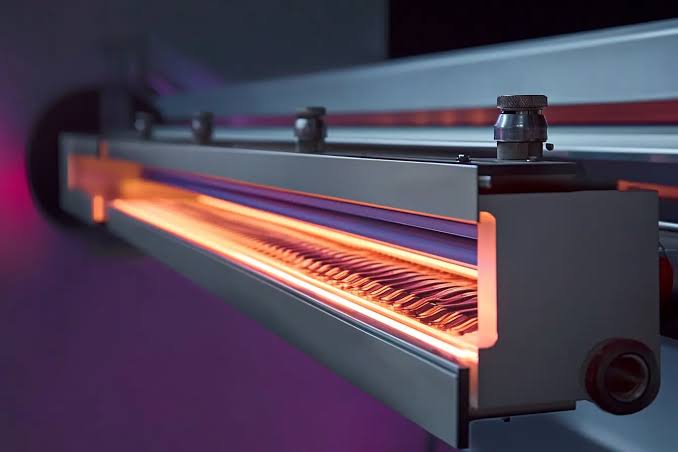
Modern manufacturing depends on drying systems that deliver consistent results without slowing production. Whether a facility coats metal components, prints packaging, finishes wood products, or cures specialty materials, choosing the right drying technology directly affects quality, energy consumption, and production speed. Understanding how infrared dryers work can help manufacturers evaluate drying methods that match their operational needs while reducing unnecessary waste.
Unlike conventional drying systems that rely primarily on heating the surrounding air, infrared technology transfers heat directly to the surface of the material. This targeted approach minimizes heat loss, shortens drying times, and often improves the consistency of the finished product. As manufacturers continue searching for efficient production methods, infrared drying has become an increasingly practical solution across many industries.
Understanding How Infrared Dryers Work
Infrared dryers generate electromagnetic radiation that converts directly into heat when absorbed by a material’s surface. Instead of warming large volumes of air first, infrared energy heats the product itself.
This process offers several advantages:
- Faster moisture evaporation
- Reduced energy consumption
- More consistent surface temperatures
- Better process control
- Smaller equipment footprint
Different infrared wavelengths perform better for specific materials. Short-wave infrared delivers rapid heating for metals and dense materials, while medium- and long-wave systems often work better for coatings, plastics, textiles, and moisture-sensitive products.
For example, in a powder coating facility, infrared heating quickly raises the coating temperature before convection ovens complete the curing process. This hybrid approach can significantly improve production efficiency.
A Practical Strategy for Choosing the Right Infrared Drying System
Selecting the appropriate infrared dryer requires more than comparing heating capacity. Manufacturers should evaluate the complete production process before making a decision.
Step 1: Understand the Material
Every material absorbs infrared energy differently.
Consider factors such as:
- Surface color
- Thickness
- Moisture content
- Thermal sensitivity
- Heat conductivity
Dark-colored surfaces generally absorb infrared energy more efficiently than reflective materials like polished aluminum.
Step 2: Identify Production Speed Requirements
Production line speed determines how much drying energy must be delivered within a specific timeframe.
A high-speed printing operation may require intense infrared output over a short exposure period, while slower manufacturing lines can utilize lower energy levels with longer exposure.
Step 3: Evaluate Product Uniformity
Consistent heating prevents defects.
Manufacturers should ensure infrared emitters provide even energy distribution across the entire product width. Uneven heating may create inconsistent drying, warping, discoloration, or coating defects.
Step 4: Integrate Process Controls
Modern infrared systems often include automated controls that monitor:
- Surface temperature
- Conveyor speed
- Energy output
- Production cycles
These controls help maintain repeatable results while reducing operator intervention.
Common Industrial Applications
Infrared drying technology supports numerous manufacturing sectors because of its flexibility.
Metal Finishing
Metal fabrication facilities use infrared dryers to:
- Dry primers
- Cure powder coatings
- Prepare surfaces between finishing stages
Fast heating minimizes production bottlenecks while maintaining coating adhesion.
Printing Industry
Commercial printing operations rely on infrared systems to dry inks rapidly without slowing press speeds.
Quick drying reduces smudging and allows immediate downstream processing such as cutting, folding, or packaging.
Wood Manufacturing
Furniture manufacturers often dry stains, sealers, and protective coatings using infrared energy.
The shorter drying cycle increases production capacity while helping maintain consistent finish quality.
Textile Processing
Fabric manufacturers use infrared heating for drying dyed materials, specialty coatings, and treated textiles.
Controlled heating reduces the risk of fabric damage while improving production efficiency.
Food Processing
Certain food manufacturing applications use infrared technology for controlled surface drying before additional processing steps.
Proper process design helps preserve product quality while reducing moisture efficiently.
Common Challenges When Using Infrared Dryers
Although infrared systems provide many benefits, successful implementation requires careful planning.
One common mistake is assuming all materials respond the same way to infrared energy. Different substrates absorb heat at different rates, making proper testing essential before full-scale production.
Another challenge involves excessive heating. Applying too much energy too quickly may damage heat-sensitive products, distort plastics, or create surface defects before internal moisture has time to escape.
Improper emitter placement also reduces efficiency. If heating elements sit too far from the product, energy transfer decreases. Positioning them too close may create localized hot spots.
Maintenance should not be overlooked either. Dust accumulation, damaged reflectors, or aging emitters can gradually reduce system performance. Routine inspections help maintain consistent drying quality over time.
Finally, some facilities underestimate the importance of ventilation. Even though infrared systems generate less wasted heat than convection dryers, evaporated moisture and process vapors still require proper exhaust management.
Expert Tips for Maximizing Performance
Manufacturers can improve drying efficiency by following several proven practices.
Start with small-scale production trials before installing a full production system. Testing different emitter types and exposure times helps identify the most effective configuration.
Measure actual product temperature instead of relying solely on air temperature. Since infrared energy directly heats the material, surface temperature provides a more accurate indicator of drying performance.
Keep products moving at a consistent conveyor speed. Variations in line speed can produce uneven drying and inconsistent product quality.
Clean reflectors and emitters regularly. Even a thin layer of contamination can reduce radiant efficiency over time.
When processing multiple product types, develop standardized operating recipes for each material. Documenting conveyor speed, emitter output, and drying time simplifies production changeovers and improves repeatability.
Many manufacturers also combine infrared technology with convection systems. Infrared rapidly heats the product surface, while convection completes moisture removal and temperature equalization. This hybrid approach often delivers excellent energy efficiency and consistent product quality.
Monitoring energy consumption before and after installation is another valuable practice. Comparing production metrics allows facilities to measure improvements in throughput, operating costs, and overall efficiency.
Finally, train operators to recognize early signs of uneven drying, discoloration, or overheating. Prompt adjustments prevent defects from affecting large production batches.
Conclusion
Infrared dryers have become an effective solution for manufacturers seeking faster drying times, better energy efficiency, and improved product quality. By transferring heat directly to the material rather than heating surrounding air, they reduce processing time while supporting more consistent production outcomes. Success depends on selecting the appropriate system, understanding material characteristics, maintaining proper equipment settings, and following proven operating practices. When integrated thoughtfully into a manufacturing process, infrared drying technology can help improve productivity, reduce waste, and deliver reliable results across a wide range of industrial applications.

 Tyres Flow
 Freya Parker