Freya Parker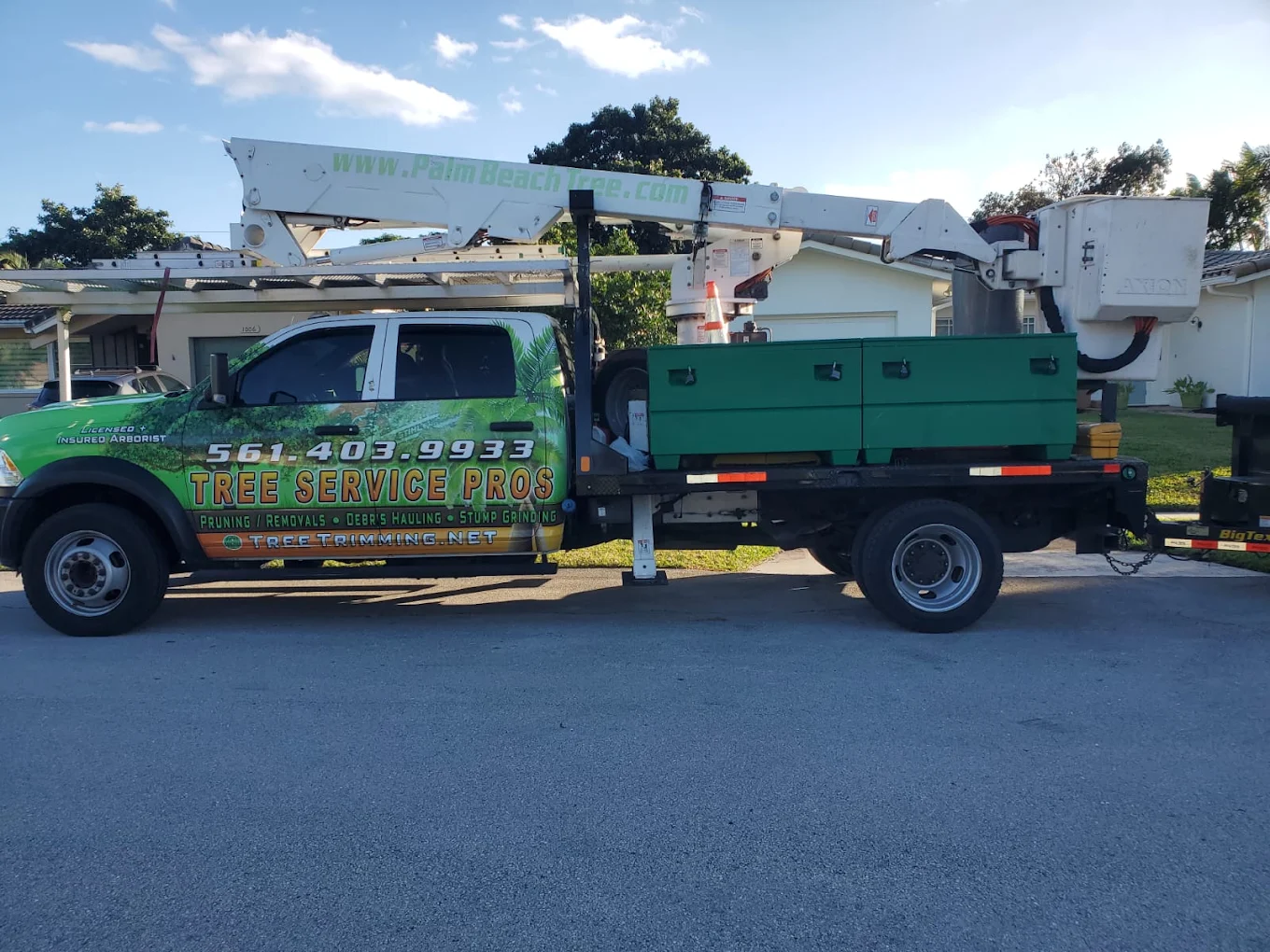
Trees make a property more beautiful, provide shade, improve air quality, and create a healthier outdoor space. Like any living plant, trees need regular care to stay healthy. One of the most important parts of tree care is tree trimming. Many people think trimming is only done to improve appearance, but it also helps trees grow stronger, stay healthier, and live longer.
Regular tree trimming removes unhealthy branches, supports healthy growth, and lowers the chance of damage caused by weak or broken limbs. Whether you have young trees or mature ones, proper trimming helps them remain safe and attractive throughout the year.
What Is Tree Trimming?
Tree trimming is the process of removing selected branches to improve a tree’s health, shape, and structure. It is different from removing a tree. The goal is to keep the tree growing in the right direction while removing branches that may cause problems.
Tree trimming may include removing:
- Dead branches
- Diseased limbs
- Broken branches
- Branches rubbing against each other
- Weak or overcrowded growth
- Low-hanging branches that create safety concerns
When done correctly, trimming helps trees use their energy more efficiently and supports healthy development.
Why Is Tree Trimming Important?
Healthy trees need enough sunlight, airflow, and nutrients. Overgrown or damaged branches can prevent a tree from growing properly. Regular trimming solves many of these problems before they become serious.
Some of the biggest benefits include:
- Better overall tree health
- Stronger branch structure
- Improved appearance
- Reduced safety risks
- Better resistance to storms
- Longer tree lifespan
Tree trimming is not only about how a tree looks. It also protects the tree and the surrounding property.
Helps Trees Grow Stronger
One of the main reasons to trim trees is to encourage healthy growth.
Dead and damaged branches continue to use the tree’s energy even though they no longer contribute to healthy growth. Removing these branches allows the tree to focus its nutrients on healthy limbs, leaves, and roots.
Young trees especially benefit from regular trimming because it helps them develop a strong framework that supports healthy growth as they mature.
Removes Dead and Diseased Branches
Dead branches can become a serious problem if left on a tree. They may attract insects, spread disease, or eventually fall without warning.
Diseased branches can also affect healthy parts of the tree. Removing them early helps reduce the chance of disease spreading throughout the entire tree.
Signs that a branch may need trimming include:
- No leaves during the growing season
- Cracked or peeling bark
- Fungal growth
- Soft or decaying wood
- Broken or hanging limbs
Early removal helps protect the health of the entire tree.
Improves Air Circulation
Dense tree canopies often block airflow.
Poor air circulation creates damp conditions where fungi, mold, and pests can grow more easily. By thinning crowded branches, air can move more freely through the canopy.
Better airflow helps leaves dry faster after rain and creates a healthier growing environment.
Allows More Sunlight
Sunlight plays an important role in healthy tree growth.
When branches become overcrowded, sunlight cannot reach the inner parts of the tree. This may lead to weak growth and fewer healthy leaves.
Proper trimming opens the canopy, allowing sunlight to reach more areas of the tree. It can also benefit grass, flowers, and other plants growing underneath.
Reduces the Risk of Falling Branches
Weak or damaged branches may fall unexpectedly.
Heavy rain, strong winds, and storms increase the risk even more. Falling branches can damage homes, vehicles, fences, roofs, power lines, or injure people.
Regular trimming removes hazardous branches before they become dangerous.
This preventive maintenance can save homeowners from expensive repairs later.
Protects Nearby Structures
Trees often grow close to homes, garages, driveways, sidewalks, and utility lines.
Without regular trimming, branches may:
- Scratch roofs
- Damage siding
- Block windows
- Interfere with power lines
- Hang over driveways
- Create obstacles for pedestrians
Keeping branches properly trimmed helps prevent these problems while allowing the tree to continue growing safely.
Encourages Better Fruit and Flower Production
Fruit trees and flowering trees often produce better results with proper trimming.
Removing weak or overcrowded branches helps the tree direct more energy toward producing healthy flowers and fruit.
Good pruning also improves sunlight exposure, which supports better harvests and healthier blooms.
Improves the Shape of the Tree
Healthy trees naturally develop attractive shapes, but uneven growth can affect their appearance.
Tree trimming helps maintain a balanced structure without harming the tree.
This is especially helpful for ornamental trees that add beauty to residential and commercial landscapes.
A well-shaped tree also grows more evenly and is less likely to develop structural weaknesses.
Helps Trees Recover After Storms
Storms can leave behind broken, cracked, or hanging branches.
Damaged limbs should be removed as soon as possible to prevent further injury to the tree.
Cleaning up storm damage also reduces the chance of insects and diseases entering through damaged wood.
Regular inspections after severe weather help identify branches that may need attention.
Prevents Pest Problems
Many insects are attracted to dead or decaying wood.
Termites, beetles, ants, and other pests may use damaged branches as nesting areas. Once pests become established, they can spread to healthy parts of the tree.
Removing dead wood reduces hiding places and helps maintain healthier trees.
Healthy trees are generally better able to resist insect attacks than stressed trees.
Makes Lawn Maintenance Easier
Low-hanging branches can make mowing, landscaping, and general yard work more difficult.
Proper trimming creates more open space beneath the tree, making it easier to:
- Mow the lawn
- Trim grass
- Plant flowers
- Walk safely
- Maintain landscaping
This improves both convenience and the appearance of the yard.
Supports Long-Term Tree Health
Trees can live for decades when they receive proper care.
Routine trimming removes problems before they become severe and helps maintain a strong structure throughout the tree’s life.
Regular maintenance reduces stress on the tree and helps it continue growing safely year after year.
When Should Trees Be Trimmed?
The best time depends on the tree species and its condition.
Many trees benefit from trimming during the dormant season because it reduces stress and allows healthy growth in spring.
However, dead, broken, or dangerous branches should be removed whenever they are noticed.
Seasonal inspections can help determine when trimming is needed.
How Often Should Trees Be Trimmed?
There is no single schedule for every tree.
Several factors affect trimming frequency, including:
- Tree species
- Age
- Growth rate
- Location
- Overall health
- Previous maintenance
Young trees may require more frequent shaping, while mature trees often need periodic inspections and maintenance.
Signs Your Tree May Need Trimming
A tree may benefit from trimming if you notice:
- Dead branches
- Broken limbs
- Branches touching your home
- Overcrowded growth
- Diseased limbs
- Branches hanging over sidewalks or driveways
- Weak branch connections
- Storm damage
- Reduced sunlight reaching the canopy
Addressing these issues early helps prevent larger problems later.
Can Too Much Trimming Harm a Tree?
Yes.
Removing too many branches at once can place unnecessary stress on a tree and slow its recovery.
Proper trimming focuses on removing only the branches that are unhealthy, unsafe, or interfering with healthy growth.
Careful planning helps preserve the tree’s natural structure while supporting long-term health.
Why Professional Tree Trimming Matters
Tree trimming may seem simple, but every cut affects how a tree grows.
Improper trimming can weaken branches, create unnecessary wounds, or lead to long-term health problems.
Professional tree care helps ensure that trimming is done safely and correctly while protecting the health of the tree.
If you need company tree trimming services, choosing an experienced team helps keep your trees healthy and your property safe. For homeowners and businesses based in Florida, regular tree trimming supports strong growth and helps trees handle the state’s changing weather conditions.
Frequently Asked Questions
Does tree trimming help trees grow faster?
Tree trimming does not make a tree grow faster, but it encourages healthier and stronger growth by removing dead or damaged branches and allowing the tree to use its energy more efficiently.
Is tree trimming necessary every year?
Not every tree needs yearly trimming. The right schedule depends on the tree’s species, age, health, and location. Regular inspections can help determine when trimming is needed.
Can trimming prevent storm damage?
Yes. Removing weak, damaged, or overgrown branches lowers the chance of limbs breaking during strong winds or heavy storms.
What happens if trees are never trimmed?
Without trimming, trees may develop weak branches, become overcrowded, attract pests, spread disease, and create safety hazards around the property.
Is tree trimming only for large trees?
No. Trees of all sizes benefit from proper trimming. Young trees especially benefit because trimming helps build a strong structure that supports healthy growth as they mature.
Final Thoughts
Tree trimming is one of the most important steps in maintaining healthy, safe, and attractive trees. It removes dead or damaged branches, improves airflow and sunlight, supports strong growth, and reduces the risk of storm damage. Regular maintenance also helps prevent diseases, discourages pests, and extends the life of your trees.
By trimming trees at the right time and using proper techniques, property owners can protect both their landscape and their investment. Healthy trees continue to provide shade, beauty, and environmental benefits for many years, making regular tree trimming an important part of responsible property care.

 Daniel Jack