Mark Dawson
A few years ago, most customers paid very little attention to packaging. As long as their order arrived safely, that was usually enough. Today, things are different. People notice whether a parcel is wrapped in layers of unnecessary plastic or packed using materials that can be recycled, reused, or disposed of more responsibly. For businesses, choosing sustainable packaging is no longer simply about being environmentally conscious. It is about finding practical materials that protect products, create a good first impression, and make sense for everyday operations.
What Should You Use for Delicate and Premium Products?
White Acid Free Tissue
Not all tissue paper is created for the same purpose. White acid free tissue is often chosen when businesses need to protect items that are sensitive to discolouration or surface damage.
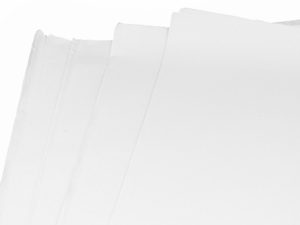
You will commonly find it used for:
- Jewellery and watches
- Artwork and prints
- Luxury clothing
A small jeweller wrapping sterling silver pieces, for example, may choose acid-free tissue to help keep products looking their best while adding a premium touch to the packaging.
Coloured Acid Free Tissue
Sometimes, packaging is about more than protection. It is also part of the customer experience. That is where coloured acid free tissue comes into its own.
Many businesses use it for:
- Gift packaging
- Boutique retail orders
- Seasonal collections
Think about a gift shop preparing Christmas orders. The product inside might be the same, but coloured tissue instantly makes the parcel feel more thoughtful and personal.
Which Sustainable Materials Help Prevent Damage?
Biodegradable Bubble Wrap
Anyone who ships fragile products knows there is a balance to strike. Customers want less plastic, but they also expect their purchases to arrive intact.
That is why biodegradable bubble wrap has become such a popular option.
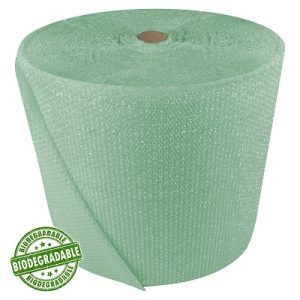
It is regularly used for:
- Ceramics and pottery
- Glassware
- Home décor items
Many independent makers have embraced biodegradable cushioning because it provides the protection they need without relying entirely on conventional plastic packaging.
Paper Bubble Wrap
Paper bubble wrap has become increasingly popular among businesses looking to reduce plastic use wherever possible.
It works particularly well for:
- Books and stationery
- Framed prints
- Lightweight products
For online retailers shipping products that require moderate protection, paper-based cushioning often offers a sensible alternative while remaining easy for customers to recycle at home.
How Can Paper-Based Packaging Reduce Waste?
Kraft Paper
Walk into almost any packing area, and there is a good chance you will find kraft paper somewhere nearby. It has remained popular because it is simple, versatile, and surprisingly effective.
Businesses often use it for:
- Wrapping products
- Filling empty spaces in cartons
- Adding an extra protective layer
Many clothing retailers prefer kraft paper because it keeps packaging straightforward while still protecting products during transit.
ECOFLO Loose Fill
Some products do not fit neatly into standard packaging. Odd shapes and fragile items often require extra cushioning.
ECOFLO loose fill is frequently used for:
- Fragile products
- Mixed-item orders
- Delicate homeware
Unlike traditional polystyrene chips, plant-based loose fill offers a more environmentally responsible option while still helping to prevent movement inside the box.
What About Larger Shipments?
Gummed Paper Tape
A package is only as secure as the materials holding it together. Gummed paper tape has become a popular choice among businesses moving away from plastic-based sealing products.
It is regularly chosen for:
- Cardboard cartons
- E-commerce packaging
- Sustainable shipping operations
Many warehouse teams appreciate that it creates a strong seal while fitting neatly into a paper-based packaging strategy.
Pallet Wrap
Sustainability conversations often focus on small parcels, but many businesses also move products in bulk. This is where pallet wrap still plays an important role.
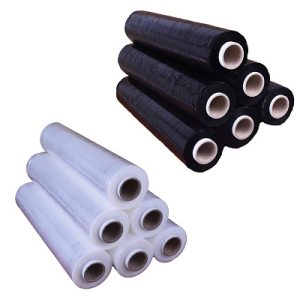
It is commonly used for:
- Warehouse dispatches
- Distribution centres
- Bulk deliveries
While companies continue looking for ways to reduce packaging boxes waste, securing palletised goods remains essential. A poorly wrapped pallet can result in damaged stock, unnecessary returns, and additional transport emissions caused by replacement shipments.
Another point worth considering is customer perception. Many businesses have discovered that sustainable packaging often generates positive feedback without any extra marketing effort. Customers appreciate receiving orders that feel thoughtfully packed, particularly when recyclable or biodegradable materials are used. Small details can leave a surprisingly lasting impression.
Final Thoughts
There is no single packaging material that works for every business. A jewellery retailer has very different requirements from a ceramic maker, while a warehouse shipping pallet load faces challenges that an online gift shop never encounters. The best approach is usually a combination of materials chosen for the products being packed. white acid free tissue and coloured acid free tissue help present delicate items beautifully, biodegradable bubble wrap protects fragile goods, kraft paper and loose fill reduce unnecessary waste, and pallet wrap keeps larger shipments secure. Sustainable packaging works best when it is practical, reliable, and suited to the job at hand. That is why the right choice often starts with understanding what you ship every day rather than following the latest packaging trend.

 Daniel Jack