David Marshh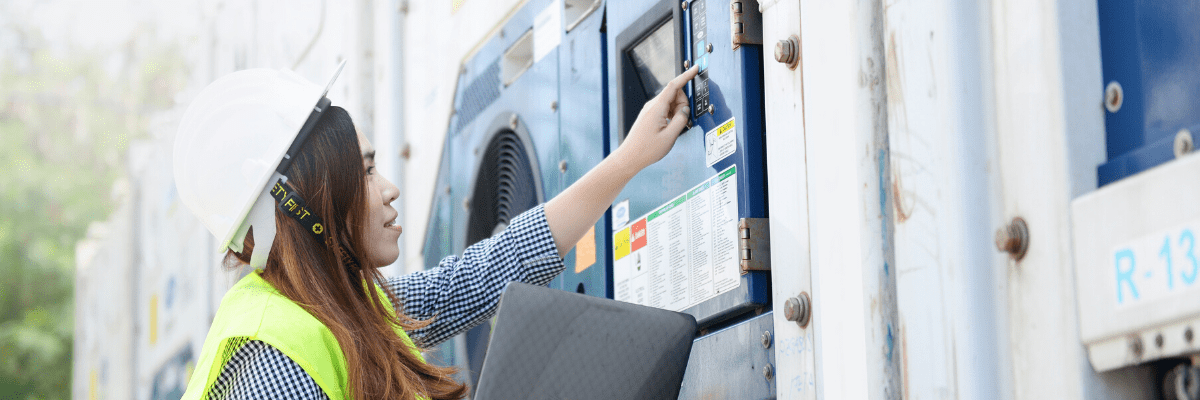
Transport refrigeration plays a critical role in maintaining temperature-controlled supply chains for food, pharmaceuticals, and other sensitive goods. As demand for cold chain logistics grows, so does the need for skilled technicians. Whether you are just starting or advancing your career, understanding the differences between entry-level and senior roles in transport refrigeration jobs can help you plan your path and set realistic expectations.
Understanding Transport Refrigeration Roles
Transport refrigeration technicians install, maintain, and repair refrigeration units used in trucks, trailers, and containers. These roles require both mechanical and electrical knowledge, along with the ability to troubleshoot complex systems. Regardless of experience level, technicians are expected to inspect equipment, diagnose issues, perform repairs, and ensure systems operate efficiently. However, task complexity increases with experience.
What to Expect in Entry-Level Positions?
Entry-level roles are designed for individuals who are new to the field or have completed basic technical training.
Training and Skill Development
New technicians typically work under supervision, learning how to handle tools, understand system components, and follow safety procedures. On-the-job training is a key part of early career development.
Basic Maintenance Tasks
Entry-level responsibilities often include routine inspections, cleaning components, checking refrigerant levels, and assisting with minor repairs. These tasks help build foundational knowledge.
Lower Starting Salaries
Compensation at this stage is generally modest but increases as skills and experience grow. Many employers offer opportunities for advancement through training programs and certifications.
What to Expect in Senior-Level Positions?
Senior technicians bring years of experience and a deeper understanding of refrigeration systems.
Advanced Diagnostics and Repairs
Experienced professionals handle complex system failures, electrical troubleshooting, and major component replacements. They are often responsible for identifying root causes and implementing long-term solutions.
Leadership and Mentorship
Senior technicians may supervise junior staff, provide training, and ensure work meets quality and safety standards. Their role often includes guiding team performance and maintaining efficiency.
Higher Earning Potential
With experience comes higher pay, better benefits, and access to specialized roles. Senior technicians may also work on high-value equipment or in supervisory positions.
Key Differences Between Entry-Level and Senior Roles
The main differences lie in responsibility, independence, and expertise.
Skill Level and Autonomy
Entry-level workers rely on supervision, while senior technicians operate independently and make critical decisions.
Scope of Work
Junior roles focus on basic tasks, while senior roles involve complex diagnostics, system optimization, and leadership responsibilities.
Career Progression in Transport Refrigeration
Advancement in this field depends on experience, certifications, and continuous learning. Technicians can move from entry-level roles to senior positions by gaining hands-on experience, completing specialized training, and staying up to date with new technologies. Certifications in HVAC or refrigeration systems can also improve career prospects.
Conclusion
Transport refrigeration offers clear career progression from entry-level positions to senior roles with greater responsibility and higher pay. By understanding what each stage involves, individuals can prepare for growth and success in this essential industry. With increasing demand for temperature-controlled logistics, skilled technicians will continue to find strong opportunities for long-term career development.


 pakagristore