Small vs Commercial Bouncy Castle: What You Need to Know Before Buying

Bouncy castles have come a long way from simple backyard toys. Today they range from compact home inflatables to large scale commercial units built for events, rental businesses, and schools. And while they might look similar at first glance, the differences between a small bouncy castle and a commercial bouncy castle are significant in size, durability, cost, and purpose.

If you’re about to spend money on one, this guide will make sure you spend it on the right one.

What Is a Small Bouncy Castle?

A small bouncy castle is a compact inflatable designed for home use, backyard play, and small gatherings. It’s built around convenience, easy to inflate, easy to store, and easy on the budget.

Typical specs include a footprint of around 10×10 ft to 13×13 ft, a capacity of 2 to 4 kids at a time, and suitability for children aged 2 to 10. Most units inflate in under two minutes, feature mesh safety netting on the sides, and are light enough for one person to carry and set up alone.

Think of it as a personal entertainment solution for families, something you can pull out for a birthday party, set up in the garden or living room, and pack away again without any hassle.

What Is a Commercial Bouncy Castle?

A commercial bouncy castle is a heavy duty inflatable built for high volume, repeated use. These are the units you see at school fairs, outdoor festivals, shopping mall events, and professional rental operations.

They’re built differently from the ground up. Sizes typically start at 15×15 ft and can exceed 40 ft for larger obstacle course configurations. They’re made from industrial grade PVC vinyl, designed to handle continuous jumping from large groups, and built to last years of regular use without significant wear. Capacity can range from 6 to 15 or more users at a time depending on the unit.

If a small bouncy castle is a family car, a commercial one is a delivery truck with the same basic concept, completely different build standard.

Key Differences: Small vs Commercial

  • Size and Space

    1. Small bouncy castles are designed to fit in real world home spaces: a backyard, a villa garden, or even a large indoor room. Commercial units require open outdoor areas with significant clearance on all sides. If space is limited, a commercial inflatable simply won’t work for you regardless of budget.
  • Materials and Durability

    1. Small castles typically use lightweight PVC or nylon perfectly adequate for occasional home use, but not built for daily wear. Commercial castles use reinforced industrial PVC vinyl with double or triple stitching at all stress points. They’re engineered to handle constant jumping, rough handling during transport, and years of outdoor exposure. If durability is the priority, commercial wins without question.
  • Price

    1. Small bouncy castles are accessible for most families a genuine one-time purchase that pays for itself quickly in party and entertainment value. Commercial units are a serious business investment with a price tag to match. Unless you’re generating income from the inflatable, commercial-grade spending rarely makes financial sense for personal use.
  • Setup and Maintenance

    1. Small units are plug-and-play. One person, a blower, and a few minutes is all it takes. Commercial inflatables require a heavy duty blower, typically two to three people to lay out and anchor properly, and dedicated transport and storage solutions. They’re not difficult to manage professionally, but they’re not designed for casual solo setup.
  • Safety Standards

  1. Both types must be used safely, but commercial units are generally built to comply with stricter certification standards such as ASTM safety guidelines, which matter when you’re operating publicly or commercially. That said, the single biggest safety factor for either type isn’t the castle itself  its proper anchoring, adult supervision, and sensible capacity management.

Pros and Cons at a Glance

Small Bouncy Castle

Affordable upfront cost, easy for one person to set up, portable and storable, works indoors and outdoors, great for younger children. On the downside, limited capacity, lower durability under heavy use, and not suitable for commercial or high traffic environments.

Commercial Bouncy Castle

Extremely durable, high user capacity, built for daily use, often includes additional features like slides, obstacle sections, and climbing walls, and delivers genuine ROI for rental businesses. The downsides are significant upfront cost, heavy and difficult to transport without proper equipment, and storage requirements that most homes can’t accommodate.

Which One Is Right for You?

The decision really comes down to a single question: are you buying this for your family, or for your business?

Choose a small bouncy castle if you’re buying it for your kids, you have a standard home setup, usage will be occasional, and you want something simple to manage. It will serve you well for years without overcomplicating things.

Choose a commercial bouncy castle if you’re launching or running an inflatable rental business, supplying events and schools, expecting heavy daily usage, or looking for a long term income-generating asset. The investment only makes sense if it’s working for you financially.

What to Check Before You Buy

Regardless of which type you’re going for, these are the things worth verifying before handing over money:

  • Material quality: look for reinforced stitching, thick PVC, and fire-resistant material. These details separate well-made inflatables from cheap ones that fail quickly.
  • Weight and user capacity: make sure the unit is rated for the number of kids or users you’re expecting. Overloading is one of the leading causes of damage and injury.
  • Blower quality: a weak or underpowered blower means poor inflation, sagging walls, and a real safety risk. Always check the blower wattage relative to the castle’s size.
  • Safety features: mesh side walls, solid anchoring points, and non-slip surfaces are non-negotiable on any quality inflatable.
  • Your actual space: measure the area before you buy, not after. This applies especially to commercial units, where the setup footprint is much larger than the inflatable’s quoted dimensions.

The Bottom Line

There’s no universally better option here, only the right fit for your situation. A small bouncy castle delivers excellent value for families who want easy, fun, and affordable entertainment at home. A commercial bouncy castle is a business tool, and should be evaluated as one. For more info visit Toyzinn.

 

  • Freya Parker

    Hi, I’m Freya Parker, a car expert from Melbourne. I share simple, practical advice to help you sell your car with confidence and get the best value.

    Related Posts

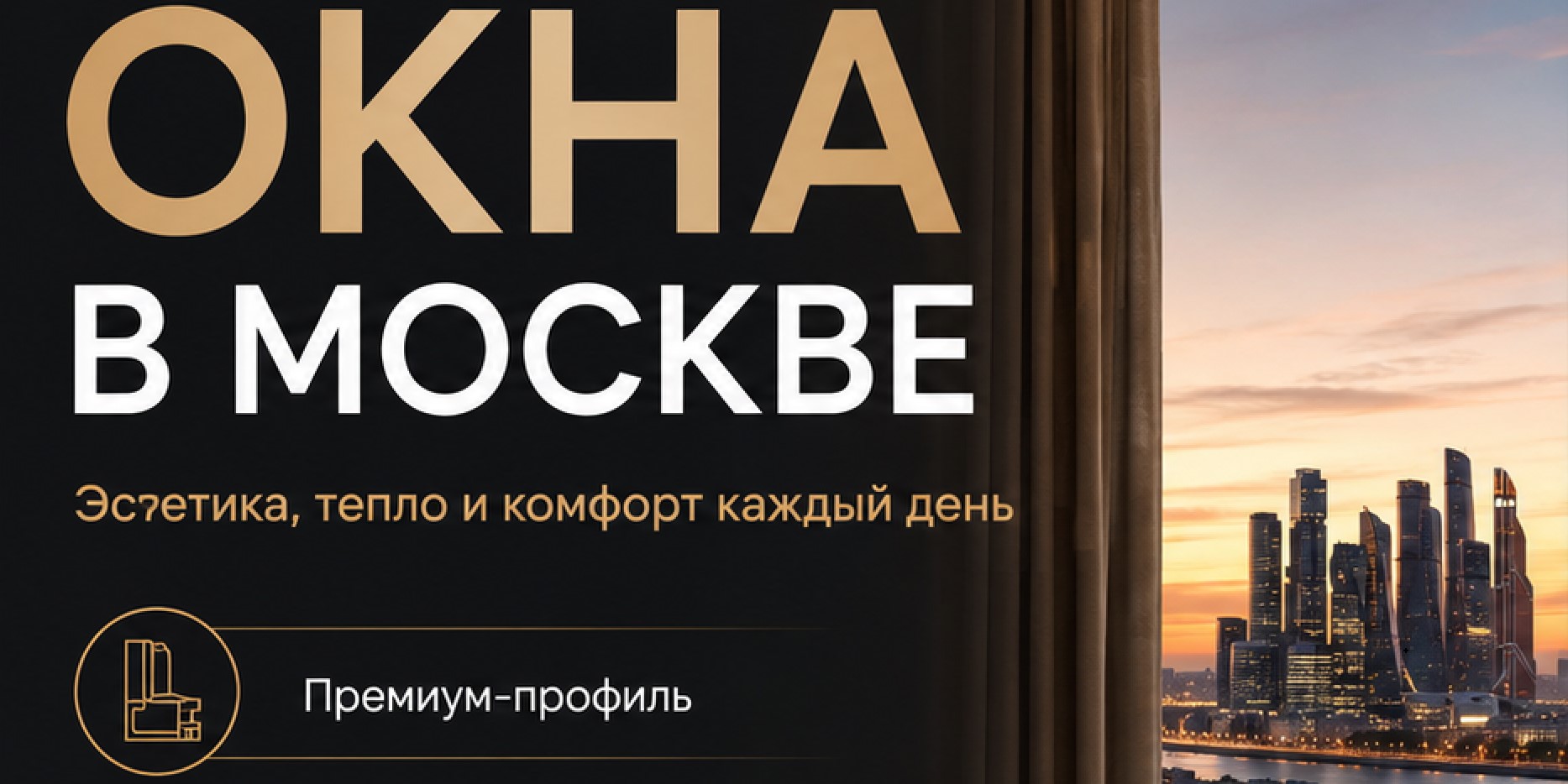
    Окна в Москве после установки: пять фраз, которые лучше не произносить через месяц

    Представим, что ремонт закончен. Новые окна в москве уже установлены, откосы готовы, мебель вернулась на свои места, строительная пыль убрана. Технически всё работает, но через несколько недель хозяева начинают замечать…

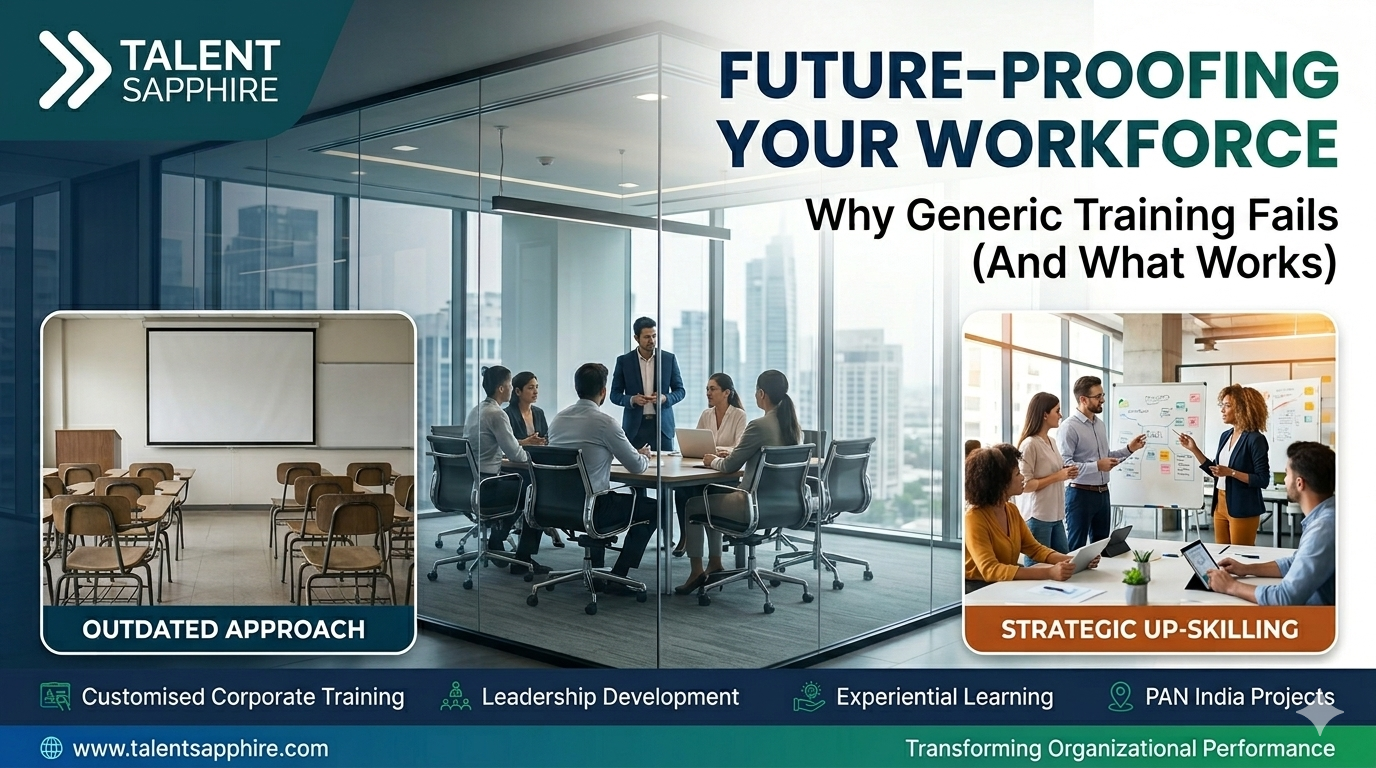
    The modern corporate landscape is moving faster than ever. Between the rapid adoption of automation, shifting workplace values across generations, and the constant demand for operational efficiency, human resource leaders face a critical challenge: How do you build a workforce that doesn’t just keep up, but actively drives market growth? Many organizations pour significant portions of their annual budget into standard, off-the-shelf workshops. Yet, a few weeks after the session, employees often slip right back into old habits. The truth is that generic training fails because it treats unique business ecosystems with a one-size-fits-all brush. To see a genuine return on your investment, your upskilling strategy needs to be as dynamic and tailored as your business goals. Here is a look at why traditional training models are broken, and how modern organizations are restructuring their learning and development (L&D) strategies for lasting success. The Pitfall of the “One-Size-Fits-All” Workshop Every organization features its own distinct internal culture, operational pain points, and cross-functional friction. When you deploy a rigid, pre-packaged training program, it fails to address the specific day-to-day challenges your employees experience on the ground. True workforce capability development requires a partner capable of building a custom architecture. Working with a dedicated provider to engineer customised corporate training solutions ensures that every module is directly aligned with your operational priorities, industry vertical, and specific skill gaps. Bridging the Leadership Gap for First-Time Managers One of the most frequent organizational missteps is promoting an exceptional technical performer or individual contributor to a managerial role without providing a proper transition framework. Managing people requires an entirely different skill set than managing tasks. Without targeted development, new leaders often struggle with delegation, team motivation, and constructive feedback loops. Implementing a structured first-time managers training program bridges this gap early, equipping emerging leaders with the behavioral tools they need to reduce team turnover and maintain high performance. For organizations aiming to cultivate long-term strategic vision at executive levels, a comprehensive leadership development program in India ensures your leadership pipeline remains robust and future-ready. Beyond Technical Know-How: The Power of Behavioral and Soft Skills Technical expertise can get your foot in the door, but behavioral alignment and communication keep the business moving forward. From handling high-stakes client negotiations to managing workplace conflict, soft skills are the silent engine of productivity. A modern L&D strategy must treat these competencies as measurable, essential skills. Investing in professional soft skills training services and targeted corporate behavioral skills training directly impacts how your teams collaborate across departments, leading to fewer project bottlenecks and smoother execution. Activating Engagement Through Experiential Learning Sitting in a conference room staring at slide decks rarely inspires behavioral change. For teams to truly absorb organizational values and learn how to collaborate under pressure, they need to experience it. This is why forward-thinking organizations are moving toward experiential models. Utilizing structured corporate team building programs or getting teams out of the office for corporate outbound & OBT training program services places employees in dynamic, hands-on scenarios. These environments break down workplace silos, build trust, and teach real-time problem-solving far more effectively than traditional lectures. Scaling Consistency Across PAN-India Operations For enterprises with regional offices, manufacturing plants, or distributed teams across the country, maintaining a uniform standard of training is incredibly difficult. Local nuances, varying trainer quality, and logistical hurdles often lead to an fragmented learning experience. To counter this, scaling organizations require a partner with deep infrastructural reach. Partnering with an organization capable of executing PAN India training projects ensures that whether your employees are based in Delhi-NCR, Mumbai, or remote locations, they receive the exact same high standard of content delivery and facilitator expertise. The Bottom Line Training shouldn’t be a check-the-box exercise to fill an HR calendar. It is a strategic business driver. When you shift away from generic presentations and focus on customized, behavior-driven learning paths, you don’t just train your employees—you elevate your entire organizational capability. If you are looking to audit your current workforce capabilities and design a high-impact learning intervention, explore the tailored programs offered by Talent Sapphire, a premier corporate training company in India dedicated to transforming organizational performance from the ground up.

    The modern corporate landscape is moving faster than ever. Between the rapid adoption of automation, shifting workplace values across generations, and the constant demand for operational efficiency, human resource leaders…

    Leave a Reply

    Your email address will not be published. Required fields are marked *

    You Missed

    California Cannabis Delivery: Convenience, Selection, and What to Know

    Окна в Москве после установки: пять фраз, которые лучше не произносить через месяц

    Окна в Москве после установки: пять фраз, которые лучше не произносить через месяц

    The modern corporate landscape is moving faster than ever. Between the rapid adoption of automation, shifting workplace values across generations, and the constant demand for operational efficiency, human resource leaders face a critical challenge: How do you build a workforce that doesn’t just keep up, but actively drives market growth? Many organizations pour significant portions of their annual budget into standard, off-the-shelf workshops. Yet, a few weeks after the session, employees often slip right back into old habits. The truth is that generic training fails because it treats unique business ecosystems with a one-size-fits-all brush. To see a genuine return on your investment, your upskilling strategy needs to be as dynamic and tailored as your business goals. Here is a look at why traditional training models are broken, and how modern organizations are restructuring their learning and development (L&D) strategies for lasting success. The Pitfall of the “One-Size-Fits-All” Workshop Every organization features its own distinct internal culture, operational pain points, and cross-functional friction. When you deploy a rigid, pre-packaged training program, it fails to address the specific day-to-day challenges your employees experience on the ground. True workforce capability development requires a partner capable of building a custom architecture. Working with a dedicated provider to engineer customised corporate training solutions ensures that every module is directly aligned with your operational priorities, industry vertical, and specific skill gaps. Bridging the Leadership Gap for First-Time Managers One of the most frequent organizational missteps is promoting an exceptional technical performer or individual contributor to a managerial role without providing a proper transition framework. Managing people requires an entirely different skill set than managing tasks. Without targeted development, new leaders often struggle with delegation, team motivation, and constructive feedback loops. Implementing a structured first-time managers training program bridges this gap early, equipping emerging leaders with the behavioral tools they need to reduce team turnover and maintain high performance. For organizations aiming to cultivate long-term strategic vision at executive levels, a comprehensive leadership development program in India ensures your leadership pipeline remains robust and future-ready. Beyond Technical Know-How: The Power of Behavioral and Soft Skills Technical expertise can get your foot in the door, but behavioral alignment and communication keep the business moving forward. From handling high-stakes client negotiations to managing workplace conflict, soft skills are the silent engine of productivity. A modern L&D strategy must treat these competencies as measurable, essential skills. Investing in professional soft skills training services and targeted corporate behavioral skills training directly impacts how your teams collaborate across departments, leading to fewer project bottlenecks and smoother execution. Activating Engagement Through Experiential Learning Sitting in a conference room staring at slide decks rarely inspires behavioral change. For teams to truly absorb organizational values and learn how to collaborate under pressure, they need to experience it. This is why forward-thinking organizations are moving toward experiential models. Utilizing structured corporate team building programs or getting teams out of the office for corporate outbound & OBT training program services places employees in dynamic, hands-on scenarios. These environments break down workplace silos, build trust, and teach real-time problem-solving far more effectively than traditional lectures. Scaling Consistency Across PAN-India Operations For enterprises with regional offices, manufacturing plants, or distributed teams across the country, maintaining a uniform standard of training is incredibly difficult. Local nuances, varying trainer quality, and logistical hurdles often lead to an fragmented learning experience. To counter this, scaling organizations require a partner with deep infrastructural reach. Partnering with an organization capable of executing PAN India training projects ensures that whether your employees are based in Delhi-NCR, Mumbai, or remote locations, they receive the exact same high standard of content delivery and facilitator expertise. The Bottom Line Training shouldn’t be a check-the-box exercise to fill an HR calendar. It is a strategic business driver. When you shift away from generic presentations and focus on customized, behavior-driven learning paths, you don’t just train your employees—you elevate your entire organizational capability. If you are looking to audit your current workforce capabilities and design a high-impact learning intervention, explore the tailored programs offered by Talent Sapphire, a premier corporate training company in India dedicated to transforming organizational performance from the ground up.

    The modern corporate landscape is moving faster than ever. Between the rapid adoption of automation, shifting workplace values across generations, and the constant demand for operational efficiency, human resource leaders face a critical challenge: How do you build a workforce that doesn’t just keep up, but actively drives market growth?  Many organizations pour significant portions of their annual budget into standard, off-the-shelf workshops. Yet, a few weeks after the session, employees often slip right back into old habits.  The truth is that generic training fails because it treats unique business ecosystems with a one-size-fits-all brush. To see a genuine return on your investment, your upskilling strategy needs to be as dynamic and tailored as your business goals.  Here is a look at why traditional training models are broken, and how modern organizations are restructuring their learning and development (L&D) strategies for lasting success.  The Pitfall of the “One-Size-Fits-All” Workshop Every organization features its own distinct internal culture, operational pain points, and cross-functional friction. When you deploy a rigid, pre-packaged training program, it fails to address the specific day-to-day challenges your employees experience on the ground. True workforce capability development requires a partner capable of building a custom architecture. Working with a dedicated provider to engineer customised corporate training solutions ensures that every module is directly aligned with your operational priorities, industry vertical, and specific skill gaps.  Bridging the Leadership Gap for First-Time Managers One of the most frequent organizational missteps is promoting an exceptional technical performer or individual contributor to a managerial role without providing a proper transition framework. Managing people requires an entirely different skill set than managing tasks. Without targeted development, new leaders often struggle with delegation, team motivation, and constructive feedback loops. Implementing a structured first-time managers training program bridges this gap early, equipping emerging leaders with the behavioral tools they need to reduce team turnover and maintain high performance. For organizations aiming to cultivate long-term strategic vision at executive levels, a comprehensive leadership development program in India ensures your leadership pipeline remains robust and future-ready.  Beyond Technical Know-How: The Power of Behavioral and Soft Skills Technical expertise can get your foot in the door, but behavioral alignment and communication keep the business moving forward. From handling high-stakes client negotiations to managing workplace conflict, soft skills are the silent engine of productivity. A modern L&D strategy must treat these competencies as measurable, essential skills. Investing in professional soft skills training services and targeted corporate behavioral skills training directly impacts how your teams collaborate across departments, leading to fewer project bottlenecks and smoother execution.  Activating Engagement Through Experiential Learning Sitting in a conference room staring at slide decks rarely inspires behavioral change. For teams to truly absorb organizational values and learn how to collaborate under pressure, they need to experience it. This is why forward-thinking organizations are moving toward experiential models. Utilizing structured corporate team building programs or getting teams out of the office for corporate outbound & OBT training program services places employees in dynamic, hands-on scenarios. These environments break down workplace silos, build trust, and teach real-time problem-solving far more effectively than traditional lectures.  Scaling Consistency Across PAN-India Operations For enterprises with regional offices, manufacturing plants, or distributed teams across the country, maintaining a uniform standard of training is incredibly difficult. Local nuances, varying trainer quality, and logistical hurdles often lead to an fragmented learning experience. To counter this, scaling organizations require a partner with deep infrastructural reach. Partnering with an organization capable of executing PAN India training projects ensures that whether your employees are based in Delhi-NCR, Mumbai, or remote locations, they receive the exact same high standard of content delivery and facilitator expertise.  The Bottom Line Training shouldn’t be a check-the-box exercise to fill an HR calendar. It is a strategic business driver. When you shift away from generic presentations and focus on customized, behavior-driven learning paths, you don’t just train your employees—you elevate your entire organizational capability.  If you are looking to audit your current workforce capabilities and design a high-impact learning intervention, explore the tailored programs offered by Talent Sapphire, a premier corporate training company in India dedicated to transforming organizational performance from the ground up.

    What Great PTO Services Look Like for Solar Installers

    What Great PTO Services Look Like for Solar Installers

    BB Glow Cream for a Fresh and Luminous Look

    BB Cream with SPF for Natural Coverage & Glowing Skin