FDA Lawyers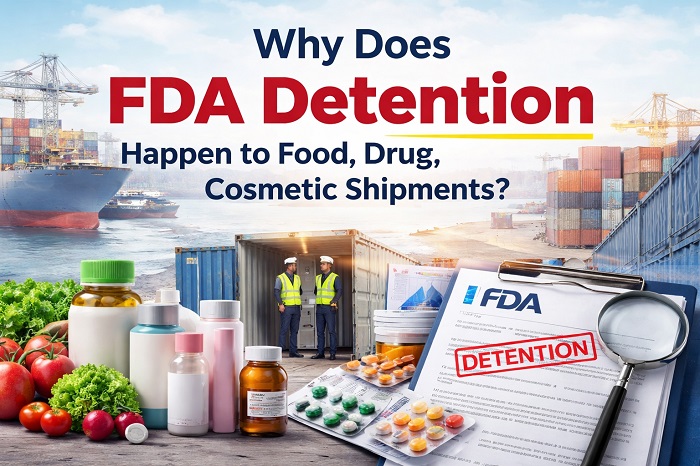
Introduction
When businesses import products into the United States, they must comply with strict regulatory standards enforced by the Food and Drug Administration (FDA). One of the most disruptive enforcement actions an importer can face is an FDA detention. This occurs when imported goods are held at the port of entry because the FDA believes they may violate safety, labeling, or compliance requirements under federal law.
An FDA detention does not always mean the product is unsafe or illegal, but it does indicate that the FDA requires additional review before allowing the shipment to enter U.S. commerce. For importers, this process can lead to delays, financial losses, storage charges, and in some cases, refusal or destruction of goods.
Understanding why an FDA detention happens is essential for importers, manufacturers, distributors, and compliance teams. Many detention cases are preventable with proper preparation, documentation, and regulatory awareness. This article provides a comprehensive breakdown of the most common reasons for FDA detention of imported goods, how the process works, and what businesses can do to minimize risk.
Understanding FDA Detention in the Import Process
Before analyzing the reasons, it is important to understand what an FDA detention actually involves and how it fits into the import regulatory system.
What Is FDA Detention?
An FDA detention is a formal action taken by the agency when imported goods appear to violate FDA regulations or raise safety concerns. When a shipment is detained, it is physically held at the port of entry and cannot be released into U.S. commerce until the issue is resolved.
The importer is typically notified and given a chance to respond with evidence, documentation, or testing results. This response is critical because it can determine whether the goods are released, re-exported, or destroyed.
FDA Detention vs Refusal of Entry
It is important to distinguish between detention and refusal:
- FDA detention is the initial hold for review
- Refusal of entry occurs when the FDA determines the product is non-compliant after review
Not every detention leads to refusal, but unresolved issues often escalate to stricter enforcement.
Why FDA Detention Matters for Importers
An FDA detention can have serious business consequences:
- Delays in product delivery and distribution
- Increased storage and demurrage costs
- Disruption of supply chains
- Loss of customer trust and contracts
- Increased scrutiny of future shipments
- Potential regulatory penalties or import alerts
Because of these risks, importers must understand the root causes of detention and implement strong compliance systems.
1. Product Adulteration and Safety Concerns
One of the most common reasons for an FDA detention is the suspicion that imported goods are adulterated or unsafe for consumption or use.
What Does Adulteration Mean?
Under FDA law, a product is considered adulterated if it:
- Contains harmful substances
- Has been produced under unsanitary conditions
- Contains illegal or unsafe ingredients
- Has been contaminated during production, storage, or transport
Types of Contamination That Trigger FDA Detention
The FDA frequently detains products due to:
- Microbiological contamination such as Salmonella or Listeria
- Chemical contamination from pesticides or industrial residues
- Heavy metals such as lead, arsenic, or mercury
- Physical contamination like glass, metal fragments, or plastic particles
Even if contamination is suspected rather than confirmed, an FDA detention may still be issued until laboratory testing is completed.
High-Risk Imported Goods
Certain categories are more likely to face detention due to higher risk exposure, including:
- Seafood and fish products
- Fresh produce
- Dairy-based imports
- Herbal supplements
- Spices and dried foods
Importers in these categories must implement strict quality assurance systems to reduce risk.
2. Misbranding and Labeling Violations
Labeling issues are another leading cause of FDA detention. The FDA requires all imported goods to have accurate, transparent, and compliant labeling.
What Is Misbranding?
Misbranding occurs when product labels are false, misleading, or incomplete under FDA regulations.
Common Labeling Problems
Products may be detained due to:
- Missing ingredient declarations
- Inaccurate nutritional facts
- Failure to declare allergens such as peanuts, soy, or milk
- False health or therapeutic claims
- Incorrect net weight or volume statements
- Labels not written in English where required
Even small inconsistencies can trigger an FDA detention if they create potential consumer risk.
Health Claims and Regulatory Sensitivity
One of the most common mistakes importers make is using unauthorized health claims. Statements suggesting a product can cure, treat, or prevent disease are heavily restricted and often lead to detention.
3. Presence of Unapproved or Restricted Ingredients
Imported goods may also be detained if they contain ingredients that are not approved for use in the United States.
Unapproved Ingredients and Additives
The FDA strictly regulates which substances can be used in food, drugs, cosmetics, and supplements. Products may face FDA detention if they include:
- Non-approved food additives
- Artificial colors not permitted in the U.S.
- Experimental or novel ingredients without FDA review
- Pharmaceutical compounds in non-drug products
Dietary Supplements and Complex Formulations
Dietary supplements are particularly vulnerable to detention due to their complex formulations. Many international products contain herbal blends or proprietary ingredients that are not recognized by FDA standards.
Prescription Substances in Consumer Products
A major red flag for FDA inspectors is the presence of prescription-only ingredients in over-the-counter products, which often leads to immediate detention.
4. Manufacturing Facility Non-Compliance
The condition and regulatory status of the manufacturing facility can directly impact whether an FDA detention occurs.
FDA Registration Requirements
All foreign facilities that manufacture, process, or pack FDA-regulated goods must be properly registered. Failure to register can result in detention.
Good Manufacturing Practices (GMP) Violations
The FDA enforces Good Manufacturing Practices to ensure product safety. Detention may occur if facilities:
- Lack proper sanitation systems
- Fail to maintain quality control records
- Do not implement hazard analysis procedures
- Have a history of inspection violations
Foreign Supplier Verification Program Issues
Importers are responsible for verifying that their foreign suppliers meet U.S. safety standards. Missing or incomplete verification records are a common reason for FDA detention.
5. Failure to Submit Proper Prior Notice
Prior Notice is a mandatory requirement for imported food products entering the United States.
What Is Prior Notice?
Prior Notice is an advance notification submitted to the FDA before a shipment arrives. It includes detailed information about the product and shipment.
Common Prior Notice Errors
Many detention cases occur due to administrative mistakes such as:
- Late submission of Prior Notice
- Incorrect product description
- Missing shipment details
- Inconsistent information between shipping documents and FDA records
- Failure to update changes before arrival
Because Prior Notice is time-sensitive, even small errors can lead to an FDA detention.
6. Import Alerts and Automatic Detention
Some products are subject to Import Alerts, which significantly increase the likelihood of detention.
What Are Import Alerts?
Import Alerts are FDA enforcement tools that allow automatic detention of products from certain manufacturers, regions, or product categories.
Why Products Are Placed on Import Alert
Products may be listed due to:
- Repeated safety violations
- History of contamination
- False documentation
- GMP non-compliance
- Failure to respond to previous FDA concerns
Once listed, shipments are often detained without physical inspection, requiring significant documentation to resolve.
7. Incomplete or Inaccurate Documentation
Documentation errors are one of the most preventable causes of FDA detention, yet they occur frequently.
Required Import Documents
Importers typically must provide:
- Commercial invoice
- Packing list
- Bill of lading
- Certificates of analysis
- Manufacturing and sourcing records
- FDA registration confirmation
Common Documentation Issues
Detention may result from:
- Missing or incomplete records
- Inconsistent product descriptions
- Incorrect country of origin
- Lack of laboratory testing data
- Mismatched quantities between documents and shipment
Accurate documentation is essential for proving compliance during FDA review.
8. Health Risk History and Product Complaints
The FDA also considers historical safety data when evaluating imported goods.
Risk-Based Monitoring System
The agency uses risk-based systems to identify products that may require additional scrutiny. Products with prior safety concerns are more likely to be detained.
Triggers for Increased Scrutiny
An FDA detention is more likely if:
- The product category has a history of recalls
- There are consumer complaints linked to similar products
- Previous shipments were found non-compliant
- Adverse health events are associated with the product type
Even if a current shipment appears compliant, past issues can still trigger detention.
9. Improper Packaging or Storage Conditions
In some cases, packaging and storage conditions can also lead to detention.
Packaging Violations
Products may be detained if packaging:
- Is damaged or compromised
- Does not protect against contamination
- Fails to meet labeling placement requirements
- Shows evidence of tampering
Temperature and Storage Issues
Perishable goods may face detention if there is evidence of:
- Improper temperature control
- Spoilage during transit
- Inadequate cold chain management
10. Fraudulent or Suspicious Import Activity
The FDA actively monitors for fraudulent activity in imported goods.
Examples of Fraud-Related Detention
- Misrepresentation of product identity
- False manufacturer information
- Altered shipping documentation
- Concealment of restricted ingredients
Such cases often lead to immediate detention and potential long-term import restrictions.
How Importers Can Reduce FDA Detention Risk
While an FDA detention can be disruptive, most cases are preventable with proper compliance systems.
Best Practices for Compliance
Importers should:
- Conduct pre-shipment testing and verification
- Ensure accurate labeling and documentation
- Register all manufacturing facilities properly
- Maintain updated FDA compliance records
- Submit accurate Prior Notice filings
- Work with qualified regulatory professionals
Importance of Legal and Regulatory Support
Many importers choose to work with FDA regulatory specialists or attorneys to ensure compliance. Expert guidance can help:
- Reduce detention risk
- Respond effectively to FDA holds
- Prepare strong documentation packages
- Resolve import issues faster
Conclusion
An FDA detention is a serious regulatory action that can significantly impact imported goods and business operations. The most common causes include contamination concerns, labeling violations, unapproved ingredients, facility non-compliance, Prior Notice errors, Import Alerts, documentation issues, and historical safety risks.
Understanding these triggers allows importers to take proactive steps to ensure compliance and reduce delays. In most cases, detention is not random; it is a result of identifiable regulatory gaps that can be corrected with proper preparation.
For businesses engaged in global trade, compliance is not optional. It is a critical part of maintaining market access in the United States.
Final Call to Action
If your business is dealing with an FDA detention or you want to avoid future import disruptions, seeking professional FDA regulatory guidance can be a strategic investment. With the right compliance approach, importers can protect shipments, reduce risk, and ensure smooth entry into the U.S. market.


 edwin noah
 Daniel Jack