Saad Afzal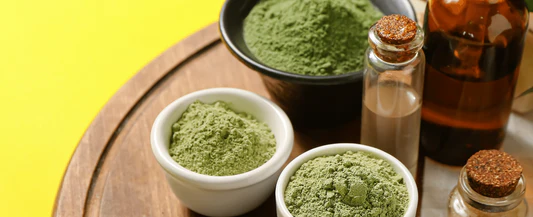
Henna has been a timeless part of beauty, culture, and tradition across Pakistan for centuries. From weddings to everyday hair care, natural henna powder holds a special place in households due to its versatility and chemical-free nature. Whether used for hair conditioning or intricate body art, henna continues to be one of the most trusted natural remedies available.
What is Henna?
Henna is a plant-based powder derived from the dried leaves of the Lawsonia inermis plant. These leaves are finely ground to create a green powder that releases a natural dye when mixed with liquid. This dye is responsible for the rich reddish-brown color commonly associated with henna designs and hair treatments.
In Pakistan, henna is widely used not only for cosmetic purposes but also for cultural celebrations like weddings, Eid, and other festive occasions.
Benefits of Natural Henna Powder
1. Chemical-Free Hair Coloring
One of the main reasons people prefer henna is its natural coloring ability. Unlike synthetic dyes, henna does not damage the hair shaft. Instead, it coats the hair, giving it a rich tone while maintaining hair health.
2. Strengthens Hair
Henna helps improve hair texture by strengthening the strands. Regular use can reduce breakage and make hair appear thicker and shinier.
3. Natural Conditioner
Henna acts as a deep conditioning treatment. It smooths the hair cuticle, reducing frizz and leaving hair soft and manageable.
4. Scalp Health
Henna has cooling and antimicrobial properties that help soothe the scalp. It can reduce dandruff and itchiness, which are common issues in Pakistan due to weather conditions and dust.
5. Body Art and Cultural Significance
Henna is an essential part of Pakistani traditions, especially for brides. Intricate henna designs symbolize joy, celebration, and beauty.
Types of Henna Available in Pakistan
1. Pure Natural Henna
This is 100% organic henna powder with no additives. It is ideal for both hair and skin applications.
2. Compound Henna
Compound henna contains added chemicals to enhance color or speed up the dyeing process. While convenient, it is less safe compared to natural henna.
3. Herbal Henna Mixes
These blends include herbs like amla, shikakai, and neem to boost hair benefits.
How to Use Henna for Hair
Step-by-Step Application
Step 1: Prepare the Paste
Mix henna powder with warm water in a bowl until you get a smooth, yogurt-like consistency. You can also add ingredients like lemon juice, tea water, or yogurt for added benefits.
Step 2: Let It Rest
Allow the mixture to sit for 6–8 hours or overnight. This helps release the dye for better results.
Step 3: Apply to Hair
Section your hair and apply the paste evenly from roots to tips. Make sure all strands are covered.
Step 4: Leave It On
Leave the henna on your hair for 2–4 hours depending on the desired color intensity.
Step 5: Rinse Thoroughly
Wash your hair with plain water until all the henna is removed. Avoid shampoo for at least 24 hours to let the color develop fully.
How to Use Henna for Skin
Making Henna Paste for Designs
To create henna for body art:
- Mix henna powder with lemon juice and a small amount of sugar.
- Let it sit for several hours.
- Fill the paste into a cone for easy application.
Application Tips
- Clean and dry the skin before applying henna.
- Leave the design on for at least 6–8 hours for a deep stain.
- Avoid water contact immediately after removing dried henna.
Tips for Best Results
Use Fresh Henna
Always use fresh henna powder for better color and effectiveness. Old henna may lose its dye strength.
Avoid Metal Bowls
Use glass or plastic bowls when mixing henna, as metal can react with the paste and affect results.
Add Natural Ingredients
Enhance your henna mixture with natural additives like:
- Amla powder for darker tones
- Coffee or tea for richer color
- Yogurt for extra conditioning
Perform a Patch Test
Before applying henna to hair or skin, do a patch test to ensure you are not allergic.
Common Mistakes to Avoid
Using Chemical Henna
Many products labeled as “black henna” contain harmful chemicals like PPD, which can cause skin reactions. Always choose natural henna.
Not Allowing Dye Release
Skipping the resting time can result in weak color payoff.
Overuse
Using henna too frequently can lead to dryness. Limit usage to once every 3–4 weeks for hair.
Why Henna is Popular in Pakistan
Henna is deeply rooted in Pakistani culture. From mehndi nights at weddings to Eid celebrations, it represents joy and beauty. Additionally, with growing awareness about harmful chemicals in beauty products, many people in Pakistan are returning to natural solutions like henna.
Its affordability and easy availability in local markets also make it a practical choice for people across different regions.
Conclusion
Henna remains one of the most trusted natural beauty solutions in Pakistan. Whether you want to color your hair, condition it, or create beautiful designs for special occasions, natural henna powder offers a safe and effective option.
By choosing pure henna and using it correctly, you can enjoy its full benefits without any side effects. With proper care and application techniques, henna can become an essential part of your beauty routine.
Embrace the natural power of henna and experience healthier hair and timeless beauty traditions.

 bemoyih927 bemoyih927
 corteiz clothing