Monika Shrivastav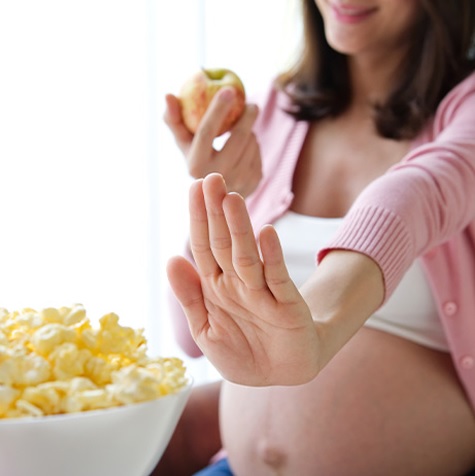
Pregnancy is a time when diet helps both the woman and the baby to grow healthy. Just as important as eating a well-rounded diet is knowing which foods and eating habits to avoid. Pregnancy triggers natural changes in the immune system that make women more vulnerable to certain food-borne infections, and some foods may contain substances that can influence foetal development. By understanding these risks, women can make safer, more informed choices without going on unnecessary dietary restrictions.
Jalandhar has emerged as a major hub for pregnancy care with greater emphasis on personalised antenatal nutrition and preventive care. Search for a gynecologists near me, Jalandhar to get dietary guidance as per your stage of pregnancy, nutritional needs and any medical conditions.
Why Food Safety Matters During Pregnancy
Pregnancy reduces the body’s ability to fight some infections, so food hygiene is as important as food quality. Bacteria such as Listeria and Salmonella and parasites such as Toxoplasma may not make every adult very ill, but when an expectant mother is infected, it increases the risk of miscarriage, premature birth or infection in the baby. Fortunately, many of these risks can be reduced through careful food choices and safe cooking practices.
Foods Best Avoided During Pregnancy
Some foods are more likely to be contaminated or contain substances that may not be safe in pregnancy. These may include:
- Raw or undercooked eggs, meat, chicken and seafood.
- Unpasteurised milk and milk products.
- Cold processed meats that have not been cooked thoroughly.
- Raw sprouts can contain harmful bacteria.
- Fish with high mercury content such as shark and swordfish.
- Alcohol, in any quantity.
It is also advisable to avoid food sold by unhygienic street vendors, especially foods made with raw ingredients or those that have been left out too long.
Foods That Should Be Limited
Not all foods are to be avoided altogether. Some should be consumed in moderation. For example:
- Tea and coffee (total caffeine intake should normally not exceed 200 mg/day)
- Packaged snacks and sugary drinks that add extra calories and have little nutritional value.
- Foods high in salt, particularly if you have swelling or high blood pressure.
- Liver and liver products; these are rich in preformed vitamin A, which can be harmful in large doses during pregnancy.
Rather than cutting out foods unnecessarily, emphasise variety, portion size, and balanced nutrition.
Everyday Habits That Keep Food Safe
Healthy eating during pregnancy is also about how food is prepared and stored. Simple precautions include:
- Wash fruits and vegetables thoroughly before eating.
- Eat freshly cooked meals whenever possible.
- Drink clean, hygienic water throughout the day.
- Check expiry dates before consuming packaged foods.
- Do not take herbal supplements or traditional remedies without your obstetrician’s approval.
These habits significantly reduce the risk of food-borne illnesses.
When Your Diet Needs Individual Attention
Every pregnancy is unique. Women who need a more personalised meal plan than can be provided by general dietary advice include women with gestational diabetes, anaemia, thyroid disorders, food allergies and multiple pregnancies.
A simple online search for gynecologists near me can help you find experienced professionals who can assess your nutritional needs and suggest a diet that is good for your health and the development of your baby. Regular antenatal visits also help to identify nutritional deficiencies before they affect pregnancy outcomes.
The Cloudnine Advantage
Cloudnine focuses on pregnancy nutrition that should be practical, personalised, and well-balanced. Their experienced team of obstetricians work closely with experienced nutritionists to provide dietary counselling, monitor healthy weight gain, identify nutritional deficiencies, and support women with conditions such as gestational diabetes or anaemia through customised nutrition plans.
If you live in or around Jalandhar, guidance from trusted maternity hospitals in Jalandhar such as Cloudnine ensures that you receive complete antenatal care, expert nutritional advice, routine pregnancy check-ups and coordinated care under one roof to help women make informed decisions on their diet throughout pregnancy.
Conclusion
Good nutrition in pregnancy is not about avoiding long lists of foods or following restrictive diets. This is about choosing safely and in balance to reduce unnecessary risks while providing the nutrients needed for healthy foetal growth. Just as important as choosing nutritious ingredients is paying attention to food hygiene, cooking methods and moderation. With the right advice and regular antenatal care, healthy eating is an important way to support a safe and healthy pregnancy.

 vashu sharma
 Amir Hamza