gatevalve manufacturer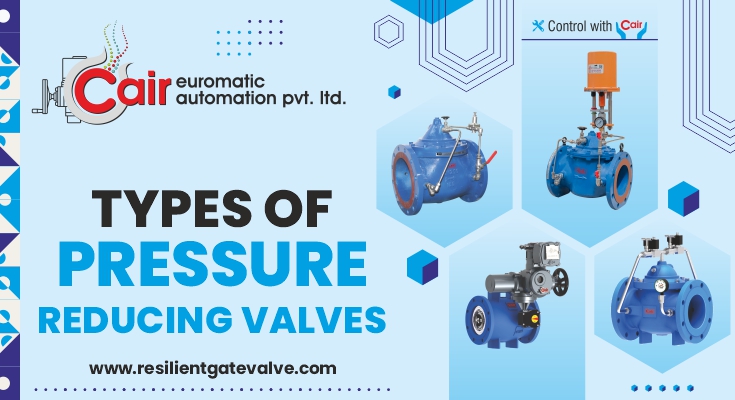
In modern pipeline systems, controlling pressure is essential for safe and efficient operation. High pressure in pipelines can damage pipes, pumps, fittings, and other equipment. To prevent such problems, industries use Pressure Reducing Valves (PRVs) that automatically lower high inlet pressure to a stable and controlled downstream pressure.
Understanding the types of pressure reducing valves is important for engineers, plant operators, and infrastructure planners. Choosing the right PRV ensures reliable flow control, improves system efficiency, and protects valuable equipment.
This comprehensive industrial guide explains the working principles, types, applications, advantages, and selection factors of pressure reducing valves used in water supply systems, industrial plants, and infrastructure projects.
What is a Pressure Reducing Valve?
A Pressure Reducing Valve (PRV) is an automatic control valve designed to maintain a constant downstream pressure in a pipeline system. It reduces high upstream pressure to a lower, stable level regardless of fluctuations in the inlet pressure.
PRVs operate using mechanical or pilot-based control mechanisms that automatically adjust the valve opening to maintain the desired pressure.
These valves are widely used in:
-
Municipal water supply networks
-
Industrial processing plants
-
Irrigation systems
-
Steam distribution systems
-
Oil and gas pipelines
-
Fire protection systems
Without proper pressure regulation, pipelines may experience leaks, pipe bursts, equipment failure, or unsafe operating conditions.
Why Pressure Reducing Valves Are Important in Industrial Systems
Industrial pipelines often operate under high pressure conditions. If this pressure is not controlled, it can lead to severe operational issues.
Equipment Protection
PRVs protect pumps, pipes, and valves from excessive pressure damage.
Energy Efficiency
Maintaining optimal pressure reduces energy consumption in pumping systems.
Safety Improvement
Controlling pressure reduces the risk of accidents and system failures.
Longer Pipeline Life
Stable pressure conditions increase the lifespan of pipeline infrastructure.
Because of these benefits, pressure reducing valves are considered critical components in industrial fluid control systems.
Main Types of Pressure Reducing Valves
There are several types of PRVs designed for different industrial conditions. Each type works differently depending on system size, pressure requirements, and fluid characteristics.
1. Direct Acting Pressure Reducing Valve
A Direct Acting Pressure Reducing Valve is one of the simplest and most commonly used pressure control devices. It uses a spring mechanism to regulate pressure.
How It Works
In this valve, a spring pushes against a diaphragm or piston connected to the valve seat. When downstream pressure increases, the valve partially closes to reduce flow and maintain the set pressure.
Key Features
-
Simple and compact design
-
Quick response to pressure changes
-
No external power required
-
Easy installation and maintenance
Applications
Direct acting PRVs are typically used in:
-
Residential water systems
-
Small commercial buildings
-
Low-flow industrial pipelines
-
Laboratory systems
Advantages
-
Low cost
-
Simple construction
-
Fast response time
However, these valves are generally not suitable for large industrial pipelines with high flow demand.
2. Pilot Operated Pressure Reducing Valve
A Pilot Operated Pressure Reducing Valve is designed for larger and more complex pipeline systems. It uses a smaller pilot valve to control the main valve opening.
How It Works
The pilot valve monitors downstream pressure. When pressure changes, the pilot adjusts the main valve opening, ensuring stable pressure control.
Key Features
-
High pressure accuracy
-
Suitable for large pipelines
-
Stable operation under varying pressure conditions
Applications
Pilot-operated PRVs are widely used in:
-
Municipal water distribution systems
-
Industrial processing plants
-
Irrigation networks
-
Water treatment plants
Advantages
-
Precise pressure regulation
-
High flow capacity
-
Excellent stability
Because of their reliability, pilot-operated PRVs are commonly used in large-scale infrastructure systems.
3. Steam Pressure Reducing Valve
Steam systems operate at extremely high temperatures and pressures. A Steam Pressure Reducing Valve is specially designed to reduce steam pressure safely.
Key Features
-
High temperature resistance
-
Durable construction materials
-
Precise steam pressure control
Applications
Steam PRVs are used in:
-
Power plants
-
Chemical processing industries
-
Food processing plants
-
Pharmaceutical manufacturing facilities
Advantages
-
Reliable operation in extreme conditions
-
High durability
-
Stable steam flow control
These valves are essential for safe steam distribution systems.
4. Water Pressure Reducing Valve
A Water Pressure Reducing Valve is specifically designed for water supply and distribution systems.
Applications
These valves are commonly used in:
-
City water supply systems
-
Residential plumbing networks
-
Irrigation systems
-
Industrial water pipelines
Advantages
-
Prevents water leakage
-
Protects plumbing systems
-
Improves water distribution efficiency
Water PRVs help maintain consistent pressure across large distribution networks.
5. Adjustable Pressure Reducing Valve
An Adjustable Pressure Reducing Valve allows operators to manually set the desired outlet pressure using an adjustment screw or control mechanism.
Key Features
-
Flexible pressure control
-
Adjustable settings
-
Suitable for variable operating conditions
Applications
These valves are commonly used in:
-
Industrial plants
-
Manufacturing facilities
-
Water treatment systems
-
Chemical processing plants
Advantages
-
Adjustable pressure settings
-
Versatile applications
-
Easy operation
Comparison of Pressure Reducing Valve Types
| Type | Best Application | Pressure Control | Flow Capacity |
|---|---|---|---|
| Direct Acting PRV | Small pipelines | Moderate | Low |
| Pilot Operated PRV | Municipal systems | Very Accurate | High |
| Steam PRV | Steam pipelines | High precision | Medium |
| Water PRV | Water distribution | Stable | Medium |
| Adjustable PRV | Industrial systems | Flexible | Medium |
This comparison helps engineers select the most suitable valve for their specific system requirements.
Factors to Consider When Selecting a PRV
Selecting the right pressure reducing valve requires careful evaluation of several factors.
Pipeline Pressure
The valve must be capable of handling the maximum inlet pressure.
Flow Rate
PRV size should match the required pipeline flow capacity.
Fluid Type
Different fluids require specific materials such as cast iron, ductile iron, stainless steel, or carbon steel.
Temperature Range
High-temperature systems require specialized valve materials.
Maintenance Requirements
Choosing a valve with easy maintenance improves long-term system performance.
Maintenance Tips for Pressure Reducing Valves
Regular maintenance ensures reliable valve performance.
Inspect Regularly
Check for leaks, corrosion, or pressure fluctuations.
Clean Strainers
Debris can affect valve operation.
Monitor Pressure
Pressure gauges help ensure correct valve performance.
Replace Worn Components
Internal parts such as seals and diaphragms may require replacement over time.
Proper maintenance can extend valve lifespan and improve system reliability.
Industrial Applications of PRVs
Pressure reducing valves are used in many industries.
Municipal Water Supply
PRVs maintain stable water pressure across large distribution systems.
Industrial Manufacturing
Factories use PRVs to regulate pressure in production lines.
Irrigation Systems
Agricultural irrigation networks rely on PRVs for efficient water flow.
Water Treatment Plants
Pressure regulation ensures efficient filtration and treatment.
Power Generation
Steam PRVs regulate pressure in turbine systems.
Conclusion
Pressure reducing valves play a critical role in maintaining safe and efficient pipeline operation. By controlling excessive pressure, PRVs protect equipment, improve system reliability, and enhance operational safety.
Understanding the different types of pressure reducing valves — including direct acting, pilot operated, steam, water, and adjustable PRVs — helps engineers and system designers select the right valve for their applications.
With proper selection, installation, and maintenance, pressure reducing valves can provide long-term performance and reliable pressure control in industrial and infrastructure systems.


 mark nelson
 Daniel Jack