pakagristore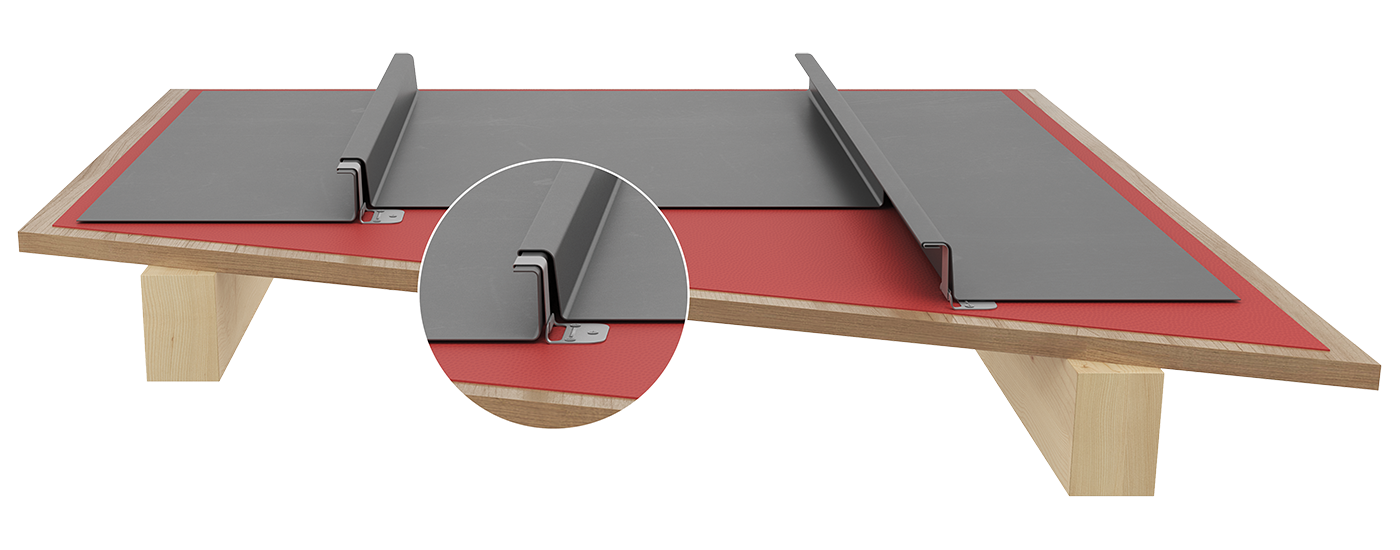
When architects, builders, and property owners want a roofing system that combines clean architectural lines with long-term performance, standing seam roofing is an increasingly popular choice. Its concealed fixing system, flexible panel design, and wide selection of architectural metals make it suitable for contemporary homes, commercial buildings, façades, and specialised architectural projects.
Roofing Group specialises in architectural roofing and cladding systems, including standing seam solutions manufactured from zinc, copper, aluminium, COLORBOND®, Corten, and stainless steel. Their standing seam system is designed for both roofing and wall cladding applications, giving architects considerable freedom when developing distinctive building envelopes.
What Is Standing Seam Roofing?
Standing seam roofing is a flat-tray metal roofing system featuring raised seams between individual panels. Roofing Group’s system uses a 25 mm raised seam and concealed stainless-steel clips rather than exposed fasteners.
The concealed fixing approach creates a clean, uninterrupted appearance while allowing the panels to accommodate expansion and contraction caused by temperature changes. This is particularly important for long metal panels exposed to Australia’s changing weather conditions.
For roofing applications, the system can use a double-lock seam, while single-lock standing seam can be used for wall cladding and other architectural applications.
Why Choose Standing Seam Roofing?
1. Clean Architectural Appearance
One of the biggest advantages of standing seam roofing is its minimalist appearance. The raised seams create consistent architectural lines across the roof or façade without visible screws interrupting the design.
This makes standing seam particularly suitable for contemporary residential architecture, commercial developments, extensions, and high-end architectural projects.
2. Concealed Fixings
Traditional metal roofing systems may use exposed fasteners that are visible across the roof surface. Standing seam takes a different approach.
The panels are secured using concealed stainless-steel clips. Fixed and sliding clips can be incorporated into the installation to accommodate thermal expansion and contraction.
The result is a cleaner appearance and a roofing system designed around the natural movement of metal panels.
3. Flexible Panel Design
Standing seam is not restricted to one standard panel width. Roofing Group states that panel widths can be customised to suit the requirements of a project.
Panels can also be configured for horizontal, vertical, diagonal, and curved applications depending on the selected material and design.
This flexibility allows architects to develop façades and roofs with distinctive patterns, proportions, and visual lines.
Standing Seam Roofing Materials
A major advantage of architectural standing seam systems is the range of materials available.
Zinc
VMZINC is a premium architectural material composed primarily of zinc with copper and titanium. According to Roofing Group, it develops a natural protective patina over time and can provide a lifespan of approximately 50–80 years depending on location.
Copper
Copper is another premium option for architectural roofing and cladding. Its surface naturally oxidises and develops a protective patina. Depending on environmental conditions, the appearance can gradually change from nut-brown to blue-green.
Aluminium
Aluminium provides a lightweight architectural metal option. Roofing Group offers aluminium panels with a PVDF paint system and states a lifespan of approximately 40–60 years depending on location.
COLORBOND®
COLORBOND® steel offers Australian-made architectural metal roofing with a broad range of design possibilities. Roofing Group notes that the product is manufactured to relevant Australian Standards and has been tested in Australian conditions over many years.
Corten
Corten, also known as weathering steel, develops a distinctive rust-like appearance when exposed to the weather. Its weathered surface creates a strong architectural aesthetic that can work particularly well with contemporary buildings and natural landscaping.
Standing Seam Roofing for Different Applications
Standing seam is not limited to residential roofs.
The system can be used for:
- Architectural residential roofing
- Commercial roofing
- Wall cladding
- Architectural façades
- Soffits
- Contemporary extensions
- Heritage-inspired architectural projects
- Curved architectural surfaces
- Custom roof and wall designs
The ability to use continuous seam lines between roofing and wall cladding can also help architects create a visually integrated building envelope.
Double-Lock vs Single-Lock Standing Seam
Standing seam systems can be designed differently depending on their intended application.
Double-Lock Standing Seam
Double-lock standing seam is commonly used for roofing applications. Roofing Group specifies a minimum 3-degree pitch for its standing seam roofing system.
The double-lock approach provides a mechanically secured seam designed for roofing applications where weather resistance is critical.
Single-Lock Standing Seam
Single-lock standing seam is particularly useful for wall cladding. Panels can be installed vertically, horizontally, or diagonally and can also be curved for more complex architectural designs.
This makes single-lock standing seam an excellent option for creating distinctive façades and feature walls.
Standing Seam Installation Requirements
Proper installation is essential to the performance of an architectural standing seam system.
Roofing Group specifies continuous roof or wall top hats, rafters, or studs at a maximum 600 mm spacing. For roofing, a minimum 3-degree pitch is required.
The system also uses a breathable waterproofing membrane. For roofing applications where a non-combustible build-up is required, Roofing Group specifies an 18 mm plywood or suitable sheet substrate, while wall cladding can use a 15 mm substrate in relevant applications.
Standing seam clips are installed at maximum 300 mm distances, with fixed and sliding clips used to accommodate panel movement.
Is Standing Seam Roofing Right for Your Project?
Standing seam roofing is particularly valuable when appearance, design flexibility, concealed fixings, and architectural performance are priorities.
It can provide a refined alternative to conventional exposed-fastener metal roofing while giving architects greater freedom over panel width, direction, material, and geometry.
For projects involving complex roofs, façades, curved panels, premium metals, or integrated roofing and cladding, specialist design and installation expertise are especially important.
Final Thoughts
Standing seam roofing offers a combination of architectural appearance and practical metal roofing performance. With options including zinc, copper, aluminium, COLORBOND®, Corten, and stainless steel, the system can be tailored to a wide range of architectural styles.
Its concealed fixing system, customisable panel dimensions, and ability to accommodate both roofing and cladding make it a versatile choice for modern Australian construction.
If you are planning an architectural roofing or cladding project, Roofing Group can help you determine the appropriate standing seam material, panel configuration, substrate, and installation approach for your design.

 Anderi Rasel