The Hamble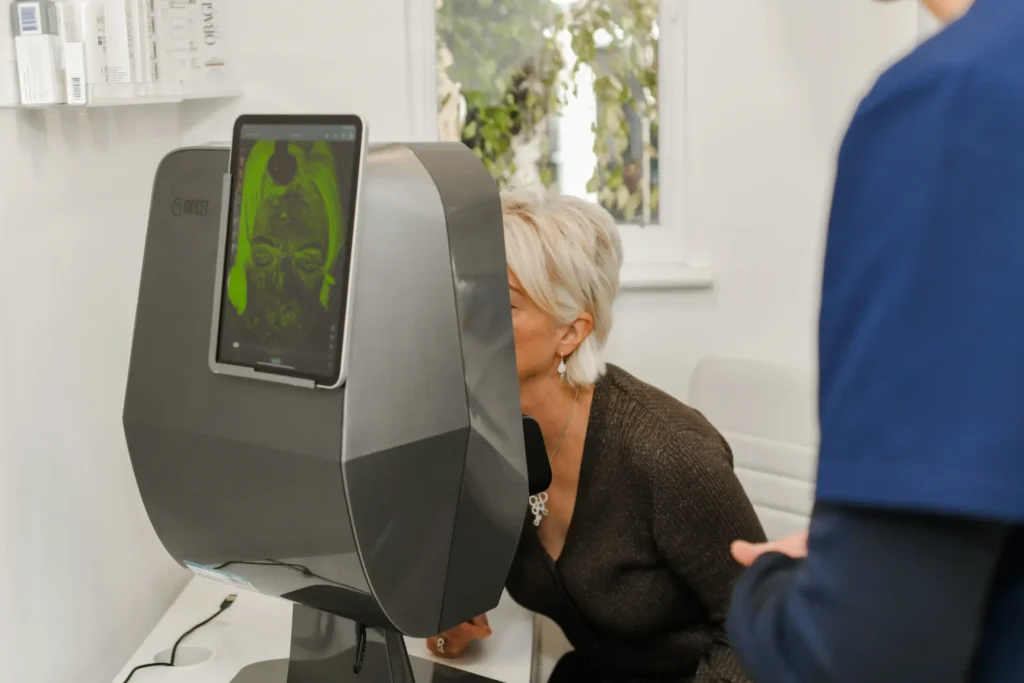
Healthy-looking skin is not always about having a completely flawless complexion. Uneven texture, enlarged pores, acne scarring, fine lines, pigmentation and gradual loss of firmness are common concerns that can become more noticeable over time.
For people looking for a non-surgical way to improve overall skin quality, microneedling is one treatment worth understanding. It uses controlled micro-injuries to stimulate the skin’s natural repair response, encouraging collagen and elastin production.
What Is Microneedling?
Microneedling, sometimes called collagen induction therapy, uses a professional device containing very fine sterile needles. These create tiny, controlled channels in the skin.
The controlled injury activates the body’s natural healing process. As the skin repairs itself, collagen and elastin production can be stimulated, potentially improving firmness, texture and overall skin quality.
Unlike surgical procedures, microneedling is minimally invasive and generally involves limited downtime.
What Skin Concerns Can Microneedling Address?
One reason microneedling has become popular is its versatility. Depending on the individual and the treatment plan, it may be used to improve the appearance of:
- Fine lines and early wrinkles
- Acne scars
- Surgical scars
- Enlarged pores
- Uneven skin texture
- Certain types of pigmentation
- Sun-related skin changes
- Stretch marks
- Loss of firmness
The treatment is not designed to completely remove every skin concern. Results vary according to the condition being treated, skin type and individual response.
How Does Microneedling Stimulate Collagen?
Collagen is an important structural protein that helps give skin its firmness and strength. As we age, natural collagen production gradually changes, which can contribute to fine lines and reduced elasticity.
Microneedling creates controlled micro-channels that trigger a wound-healing response. This process can encourage new collagen formation and skin remodelling over time.
Because collagen production takes time, improvements are generally gradual rather than immediate. Some people may notice an initial glow within days, while more significant changes can develop over several weeks.
Can Microneedling Help With Acne Scars?
Acne scars can remain long after active breakouts have disappeared. Certain types of depressed or uneven scars may respond to treatments that stimulate collagen and encourage skin remodelling.
Microneedling may be considered as part of a treatment plan for acne scarring, although the depth and type of scarring matter. Deeper or tethered scars may require a different or combined approach.
A proper skin assessment is therefore important before deciding which treatment is most appropriate.
What Happens During a Microneedling Treatment?
A professional treatment generally begins with a consultation to assess the skin and discuss the patient’s concerns and goals.
The practitioner can then determine the appropriate treatment approach and needle depth for the individual’s skin.
The treatment itself typically takes around 30–60 minutes. The Hamble Clinic states that topical numbing can be used where appropriate and that patients may experience temporary redness or mild swelling following treatment.
The skin may look similar to a mild sunburn immediately afterwards, but this generally settles over the following days.
How Many Microneedling Sessions Are Needed?
The number of sessions depends on the concern being treated and the individual’s response.
For general skin rejuvenation, The Hamble Clinic notes that three to four sessions spaced approximately four to six weeks apart are common. More established scarring may require a longer course.
A consultation is useful because treatment should be based on the patient’s skin rather than following a fixed number of sessions for everyone.
What Is the Recovery Like?
One of the attractions of microneedling is that it generally involves relatively little downtime compared with more invasive procedures.
Temporary redness, sensitivity or mild swelling can occur after treatment. Good aftercare is important while the skin is recovering.
Patients may be advised to:
- Avoid unnecessary sun exposure
- Use gentle, hydrating skincare
- Avoid exfoliating acids and retinoids for several days
- Keep the skin clean and moisturised
- Avoid makeup immediately after treatment where advised
- Use appropriate sun protection
Following professional aftercare advice can help support the skin during recovery.
Is Microneedling Suitable for Everyone?
Microneedling can be suitable for many people, but it is not appropriate in every situation.
Active acne, certain skin conditions, infections or other medical factors may mean treatment needs to be delayed or avoided. This is why a proper consultation should take place before treatment.
A qualified practitioner can assess the skin, discuss medical history and explain whether microneedling is suitable or whether another option would be more appropriate.
Choosing Professional Microneedling
The quality and safety of a microneedling treatment depend on factors such as the device, treatment technique, hygiene standards and practitioner’s experience.
For anyone considering microneedling in Aylesbury, The Hamble Clinic describes its treatment as using professional equipment and a personalised approach, with a consultation and skin assessment before treatment.
This type of assessment can help establish realistic expectations and determine whether microneedling is the right option for the specific skin concern.
Final Thoughts
Microneedling offers a minimally invasive approach to improving skin texture, firmness and overall appearance by stimulating the body’s natural healing response.
It may be useful for concerns ranging from fine lines and enlarged pores to acne scarring and uneven texture, but results are not identical for everyone. The most appropriate treatment plan depends on the condition of the skin, the desired outcome and individual suitability.
If you are considering professional microneedling treatment, a consultation with a qualified practitioner can help you understand what the procedure involves, how many sessions may be appropriate and whether another treatment could better address your particular concern.

 The Face
 SCULPT MD