
 Doyove David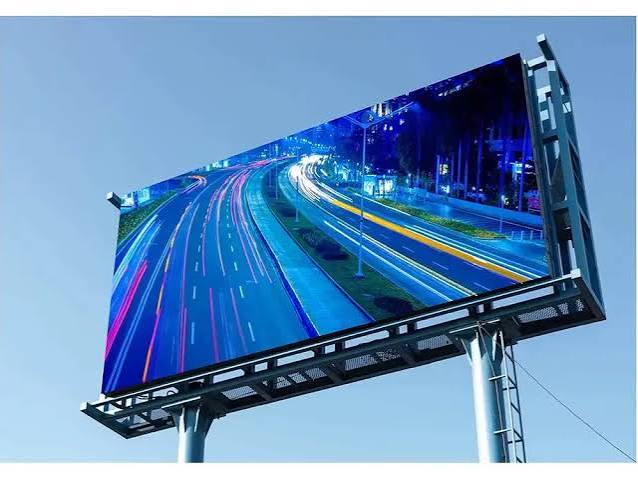
Walk through any major city and you’ll notice something has changed. The static billboards that once dominated skylines are giving way to vivid, dynamic outdoor LED screens—displaying tailored content that shifts with the time of day, the weather, and even the crowd passing by. This isn’t coincidence. It’s the result of programmatic Digital Out-of-Home (DOOH) advertising reshaping how brands connect with audiences in the physical world.
For advertisers and publishers alike, the shift is significant. Programmatic DOOH combines the visual impact of large-format outdoor displays with the precision and automation of digital advertising. The result? Smarter campaigns, better targeting, and measurable outcomes that traditional outdoor ads simply couldn’t deliver.
This post unpacks what programmatic DOOH actually is, why it’s gaining serious momentum, and what it means for the future of outdoor advertising.
What is Programmatic DOOH?
Traditional Digital Out-of-Home advertising involves buying fixed time slots on digital screens—think airport displays, roadside billboards, or shopping centre panels. The process is largely manual, requiring direct negotiation with media owners and limited flexibility once a campaign is live.
Programmatic DOOH flips that model. Using automated technology and real-time bidding (RTB), advertisers can purchase ad placements across a network of digital screens without ever picking up the phone. Campaigns can be activated, paused, or adjusted instantly based on live data signals.
The core difference lies in targeting capability. Where traditional DOOH relies on estimated footfall and broad demographics, programmatic DOOH draws on data sources—mobile location data, weather feeds, traffic patterns, audience profiles—to serve the right message at the right moment. It’s the same logic that powers online display advertising, applied to the physical environment.
Key Benefits for Advertisers
Dynamic content that responds to the real world
One of the most compelling features of programmatic DOOH is contextual flexibility. Creative assets can be set up to change automatically based on external conditions. A hot drinks brand might serve warm coffee ads on cold mornings and pivot to iced beverages when temperatures rise. A retailer can promote umbrellas the moment a rain event is forecast nearby.
This level of responsiveness was impossible with static or pre-booked digital placements. Now, it’s a standard feature of sophisticated programmatic campaigns.
Better ROI through data-driven targeting
Programmatic DOOH significantly improves how advertisers measure performance. Rather than relying on estimated audience figures, campaigns can be tied to real-world outcomes—foot traffic uplift, mobile ad retargeting, and cross-channel attribution. According to a study by JCDecaux and Benchmarketing, DOOH advertising delivered a 15% uplift in brand consideration when combined with mobile retargeting.
For brands used to the rigorous accountability of online advertising, this level of measurement brings outdoor media firmly into the performance marketing conversation.
Cost efficiency at scale
Programmatic buying also reduces wastage. Advertisers only pay for impressions delivered to relevant audiences at relevant times, rather than funding a blanket broadcast to whoever happens to walk past. This efficiency makes programmatic DOOH accessible to a broader range of brands—not just those with the budget to dominate a prime billboard for a full month.
Impact on the Outdoor LED Screen Market
The rise of programmatic buying is accelerating demand for connected, smart outdoor infrastructure. Screen owners and media operators are investing heavily in upgrading their networks to support programmatic trading, which requires screens to be digitally connected and compatible with demand-side platforms (DSPs).
This is reshaping the outdoor LED screen market in two important ways. First, there’s growing pressure on media owners to modernise legacy inventory. Screens that can’t participate in programmatic ecosystems risk being sidelined as advertisers move budget toward more flexible, data-enabled placements.
Second, programmatic DOOH is increasingly integrated with mobile and online strategies. Advertisers can now build cohesive cross-channel campaigns that serve a billboard ad to a consumer on their morning commute, then follow up with a targeted social or display ad later in the day. The outdoor screen becomes one touchpoint in a joined-up customer journey rather than a standalone medium.
Major programmatic platforms—including Verizon Media (now Yahoo DSP), The Trade Desk, and Hivestack—have expanded their DOOH capabilities considerably, making it easier for advertisers to plan and activate campaigns across multiple screen networks from a single interface.
Challenges and Considerations
Standardisation remains a work in progress
Despite rapid growth, the programmatic DOOH industry still faces fragmentation. Unlike online advertising, where standardised formats and measurement frameworks are well established, DOOH lacks universal metrics. Screen sizes, audience measurement methodologies, and data inputs vary significantly between markets and media owners. Industry bodies like DPAA and OAAA are working towards greater standardisation, but full alignment is still some way off.
Privacy and data collection
As with any data-driven advertising channel, programmatic DOOH raises legitimate questions about consumer privacy. The use of mobile location data and audience profiling must comply with GDPR and other regional data protection regulations. Advertisers and platforms operating in this space need to ensure their data practices are transparent, consent-based where required, and regularly audited.
Infrastructure requirements
Not every screen network is ready for programmatic. Connecting outdoor displays to real-time bidding infrastructure requires robust technical integration—reliable internet connectivity, compatible software, and ongoing maintenance. For smaller media owners, the upfront investment can be a significant barrier.
Where Programmatic DOOH is Headed
The outdoor LED screen market is projected to grow substantially over the coming years, with programmatic trading expected to account for an increasing share of total DOOH spend. According to MAGNA Global, programmatic DOOH revenues are forecast to grow at double-digit rates through the late 2020s as more inventory becomes available and advertiser confidence builds.
Emerging technologies are set to deepen the channel’s capabilities further. Artificial intelligence will enable more sophisticated contextual targeting—moving beyond weather and time triggers to incorporate sentiment analysis, event-based signals, and predictive audience modelling. Real-time creative optimisation will allow campaigns to test and refine messaging dynamically, applying learnings mid-flight rather than waiting for a post-campaign review.
For advertisers, the implication is clear: now is the time to build programmatic DOOH into media planning frameworks. Those who develop the expertise, creative infrastructure, and measurement strategies today will be best positioned to capitalise as the channel matures.
The Outdoor Advertising Landscape Has Changed—Here’s What to Do Next
Programmatic DOOH represents a genuine step change for outdoor advertising. The combination of dynamic creative, real-time targeting, and cross-channel integration brings a level of precision and accountability that was previously the exclusive domain of digital media. For brands willing to invest in understanding the channel, the opportunity is substantial.
If you’re exploring how programmatic solutions can enhance your outdoor LED screen strategy, start by auditing your current DOOH activity and identifying where automated buying could improve efficiency and performance. The infrastructure is in place. The platforms are ready. The question is whether your brand is.

 Daniel Jack
 jaiclublogin Jaiclublogin