George Buttler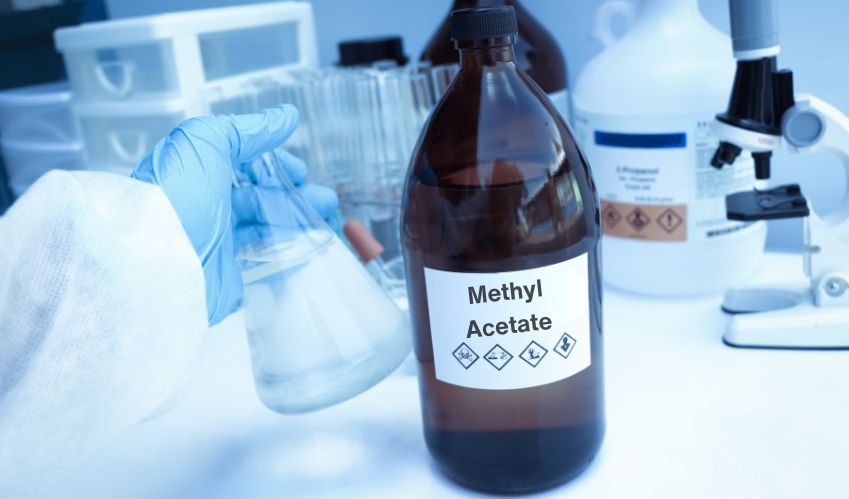
Methyl acetate is an important chemical solvent used across several industrial applications, including paints and coatings, adhesives, printing inks, cosmetics, and chemical processing. Its favorable solvent properties and relatively fast evaporation rate make it useful in formulations where manufacturers require efficient processing and drying. As industrial production expands, demand for versatile solvents is creating new opportunities for the methyl acetate market.
According to the latest analysis by Expert Market Research, the global methyl acetate market reached a volume of 2004.21 KMT in 2025. The market is estimated to grow at a CAGR of 4.10% between 2026 and 2035, reaching a projected volume of 2995.37 KMT in 2035. This expansion is supported by increasing industrial activity and demand from major end-use sectors.
Growing Demand from Paints and Coatings
The paints and coatings industry is one of the important application areas for methyl acetate. It can be used as a solvent in coating formulations, helping dissolve various resins and other components while supporting efficient evaporation.
Construction activity, infrastructure development, and industrial manufacturing are increasing the need for paints and protective coatings. As these sectors expand, demand for solvents used in coating formulations can also increase.
Manufacturers are also focusing on coating products that offer improved application characteristics and comply with evolving environmental requirements. This is encouraging continued research into solvent formulations and production technologies.
Expansion of the Adhesives Industry
Methyl acetate is also used in adhesives and sealants because of its solvent properties. Adhesives are increasingly important across packaging, construction, automotive, furniture, electronics, and consumer goods manufacturing.
The growing use of lightweight materials and advanced bonding technologies is supporting adhesive consumption across different industries. Methyl acetate can contribute to formulations requiring efficient drying and suitable solvent performance.
As manufacturers develop new adhesive products for specialized applications, demand for appropriate solvents may increase alongside overall production.
Printing Inks Supporting Market Demand
The printing industry represents another application area for methyl acetate. Solvents are essential components in many printing ink formulations, influencing viscosity, drying behavior, and application performance.
Packaging remains a major source of printing demand as companies require printed materials for food, beverages, pharmaceuticals, consumer products, and industrial goods.
The expansion of flexible packaging and other printed materials can therefore contribute to solvent demand. Methyl acetate may continue to find applications where its performance characteristics align with specific ink formulations.
Use in Chemical Processing
Methyl acetate is also relevant to chemical processing and manufacturing. Its solvent characteristics allow it to be used in various industrial formulations and chemical processes.
Growing production of specialty chemicals, intermediates, and formulated products can increase demand for industrial solvents. Manufacturers require solvents that provide predictable performance and can be integrated effectively into production processes.
As chemical industries expand in developing economies, demand for industrial solvents is likely to benefit from broader manufacturing growth.
Demand from Cosmetics and Personal Care
The cosmetics and personal care sector is another potential area of application. Solvents are used in various formulations, including products requiring the effective dissolution and mixing of ingredients.
Rising consumer spending on personal care products and expanding product ranges are supporting growth in the cosmetics industry. Manufacturers are also investing in improved formulations and production processes.
Where methyl acetate meets the technical and regulatory requirements of specific applications, this industrial growth can create additional demand opportunities.
Industrialization in Emerging Economies
Rapid industrialization in emerging markets is creating new opportunities for methyl acetate producers. Expanding manufacturing sectors, construction activity, automotive production, packaging, and chemical processing are increasing demand for industrial raw materials and solvents.
Countries investing heavily in industrial infrastructure can become important markets for solvent suppliers. Local production capacity and efficient distribution networks can help manufacturers meet increasing regional demand.
The expansion of manufacturing in Asia and other developing regions is therefore expected to remain an important factor influencing the market.
Focus on Efficient Solvent Solutions
Industrial manufacturers are increasingly focused on improving production efficiency. Solvents can influence processing speed, formulation performance, drying time, and overall product quality.
Methyl acetate’s relatively fast evaporation characteristics can make it suitable for applications where rapid drying is desirable. This can be particularly relevant in coatings, inks, adhesives, and other formulated products.
As manufacturers seek to optimize production processes, demand for solvents with suitable performance characteristics can increase.
Environmental Considerations and Product Development
Environmental regulations are influencing solvent selection across several industries. Manufacturers are increasingly evaluating solvents based on factors such as emissions, worker safety, formulation performance, and regulatory requirements.
This is encouraging chemical companies to invest in improved formulations and production processes. Methyl acetate can benefit in applications where its technical properties align with environmental and regulatory objectives.
However, manufacturers must continue to ensure that products meet applicable safety standards and industry-specific requirements.
Technological Improvements in Production
Advances in chemical manufacturing are helping producers improve process efficiency, quality control, and resource utilization. Modern production technologies can support consistent methyl acetate quality while optimizing raw material consumption.
Automation and digital monitoring can also improve manufacturing operations by allowing producers to track production conditions and identify potential inefficiencies.
Continued investment in production technology can help manufacturers respond to growing industrial demand while maintaining product consistency.
Supply Chain and Distribution Opportunities
The growth of the methyl acetate market is also creating opportunities throughout the chemical supply chain. Reliable transportation, storage, distribution, and inventory management are important for serving industrial customers.
Producers with strong regional distribution networks can respond more effectively to changing demand. Strategic production locations can also help reduce transportation costs and improve supply reliability.
As international trade in chemicals expands, efficient logistics will remain an important part of market competitiveness.
Challenges Facing the Methyl Acetate Market
Despite positive growth prospects, the market faces several challenges. Fluctuations in raw material prices can affect production costs and profitability. Changes in energy prices, supply chain disruptions, and transportation costs can also influence market conditions.
Chemical manufacturers must additionally comply with safety, handling, storage, and environmental regulations. Meeting these requirements can increase operational costs but is essential for responsible market development.
Competition from alternative solvents can also influence demand. Producers therefore need to focus on product quality, application performance, cost efficiency, and reliable supply.
Future Outlook
Industrial expansion is expected to remain a major factor supporting the methyl acetate market. Paints and coatings, adhesives, printing inks, chemicals, and other manufacturing sectors will continue to require effective solvent solutions.
According to Expert Market Research, the global methyl acetate market is projected to increase from 2004.21 KMT in 2025 to 2995.37 KMT by 2035, expanding at a CAGR of 4.10%.
This projected growth indicates continued opportunities for producers that can respond to changing industrial requirements, improve production efficiency, and maintain reliable supply chains.
Conclusion
Industrial demand is playing a central role in the growth of the methyl acetate market. Expanding paints and coatings, adhesives, printing, chemical processing, cosmetics, and manufacturing industries are creating sustained demand for versatile solvent solutions.
At the same time, environmental considerations, technological advancements, and changing regulatory requirements are influencing product development and production practices.
With the global methyl acetate market expected to reach 2995.37 KMT by 2035, manufacturers and suppliers have opportunities to strengthen their position by focusing on quality, efficient production, application-specific solutions, and dependable distribution.


 pakagristore
 Daniel Jack