fareya fareya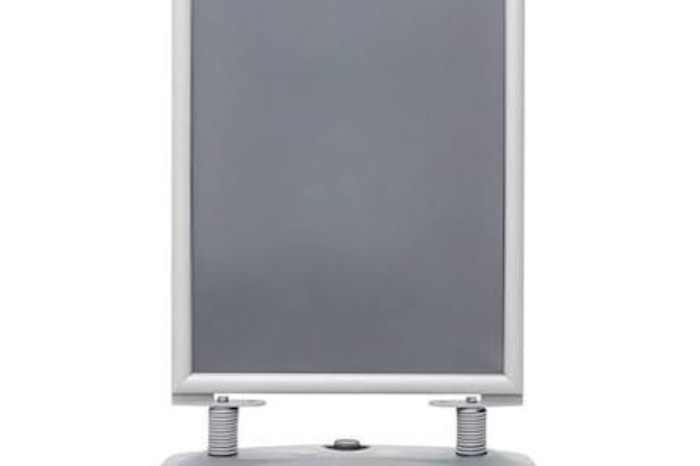
What Is a Stoep Board?
A shopboard is a sign placed near a shop, cafe, office, event space, or other business. A business can use this sign to share a short message with people who walk past. A message can show a sale, menu, service, event, opening time, or special offer. Since people can see a sign while walking, a business can share information without asking people to enter first.
Many businesses use pavement signs because they can move them from one place to another. A shop can place a sign near an entrance in morning and move it later when customer traffic change. A cafe can use one sign for a lunch menu and change message when a new offer start. This simple way of outdoor advertising can help a business connect with people near its location.
Common Uses of a Stoepbord
A stoepbord can work for many types of business. A cafe can show food and drink options. A restaurant can promote a daily meal. A retail shop can tell people about a discount. A salon can share a service price or booking message. A school can use a pavement sign to guide visitors during an event. An office can also use one to show where people need to go.
Events can also benefit from this type of sign. A business can use a sign to point visitors toward a meeting room, entrance, registration desk, or display area. Short messages work best because people may only have a few seconds to read a sign while walking.
How a Stoepbord Helps a Business
A pavement sign can help a business communicate with people who may not search online first. A person walking near a store can notice a clear message and decide to stop. This can help create more foot traffic without using a large advertising setup.
A sign can also support local marketing. Online ads can reach people in many places, while a pavement sign focus on people near a business. This makes outdoor signage useful for shops that depend on local customers. A business can also change its message based on season, stock, event, or customer demand.
Another benefit comes from repeat use. A well-made sign can serve for many campaigns. Staff can update a printed insert, poster, menu, or message instead of replacing a complete display. This can make signage useful for businesses that change offers often.
Choosing Size and Material
Size matters when choosing a stoepbord. A sign should have enough space for a short message without making text hard to read. A very small sign may not work well from a distance. A very large sign may take up too much space near a walkway. Businesses should check available space before choosing a size.
Material also matters. Outdoor signs may face wind, rain, sunlight, dust, and regular movement. A business should choose a display made for its intended use. A strong frame can help support daily use, while a suitable print surface can help keep text and images clear.
Weight also needs attention. A sign placed outside should stay stable when people walk past or when wind move through an area. Businesses should follow local rules for pavement signs and make sure displays do not block paths, doors, ramps, or other access points.
Design and Message Tips
Good sign design does not need many words. A person should understand the main message with a quick look. Use a short heading, clear offer, price, service name, or call to action. Avoid placing too much information on one display because small text can become hard to read.
Font choice also matters. Use simple text that people can read from a distance. Keep enough space between words and sections. A clear layout can help people find the main message faster. Images can support a message, but too many images can make a sign look busy.
A business should also keep brand details consistent. Use brand colors, logo, contact details, or other elements when they help people identify the business. For a promotion, show one main offer instead of many offers at once. A clear message can have more value than a crowded design.
Where to Place a Stoepbord
Placement can affect how many people notice a sign. A business should place a display where people can see it before they reach an entrance. Avoid hiding a sign behind plants, cars, furniture, or other objects. A clear view can help people read a message while walking.
A sign should also leave enough room for people to pass. Do not place a display where it can create a safety problem. Check local rules before placing outdoor signage. Some areas may have rules about size, location, walking space, or public paths.
Businesses can test different positions during normal opening hours. If many people pass from one direction, place a sign where those people can see the message early. Staff can also check whether sunlight, shadows, or other objects affect visibility.
How Q Print Can Help
Q Print can support businesses that need printed signage and display material for marketing or local promotion. A business can plan its message first, select suitable print details, and then prepare artwork based on the purpose of its sign.
For shops, cafes, offices, and event teams, good print planning can help keep signage clear and useful. Before placing an order, check size, material, print area, message length, and outdoor use. These details can help avoid common problems such as small text, poor layout, or a display that does not suit its location.
Final Thoughts
A stoepbord can serve as a simple way to share information with people near a business. A shop can use one for sales, a cafe can show a menu, and an event team can use one for directions. Good size, readable text, useful placement, and a short message can make outdoor signage easier to notice and understand.
Before buying or printing a pavement sign, think about where people will see it, how often the message will change, and what type of outdoor conditions may affect use. With proper planning, a simple sign can become a useful part of local marketing and customer communication.

 mark nelson
 essentailhoodie essentailhoodie