Muhammad Mehmood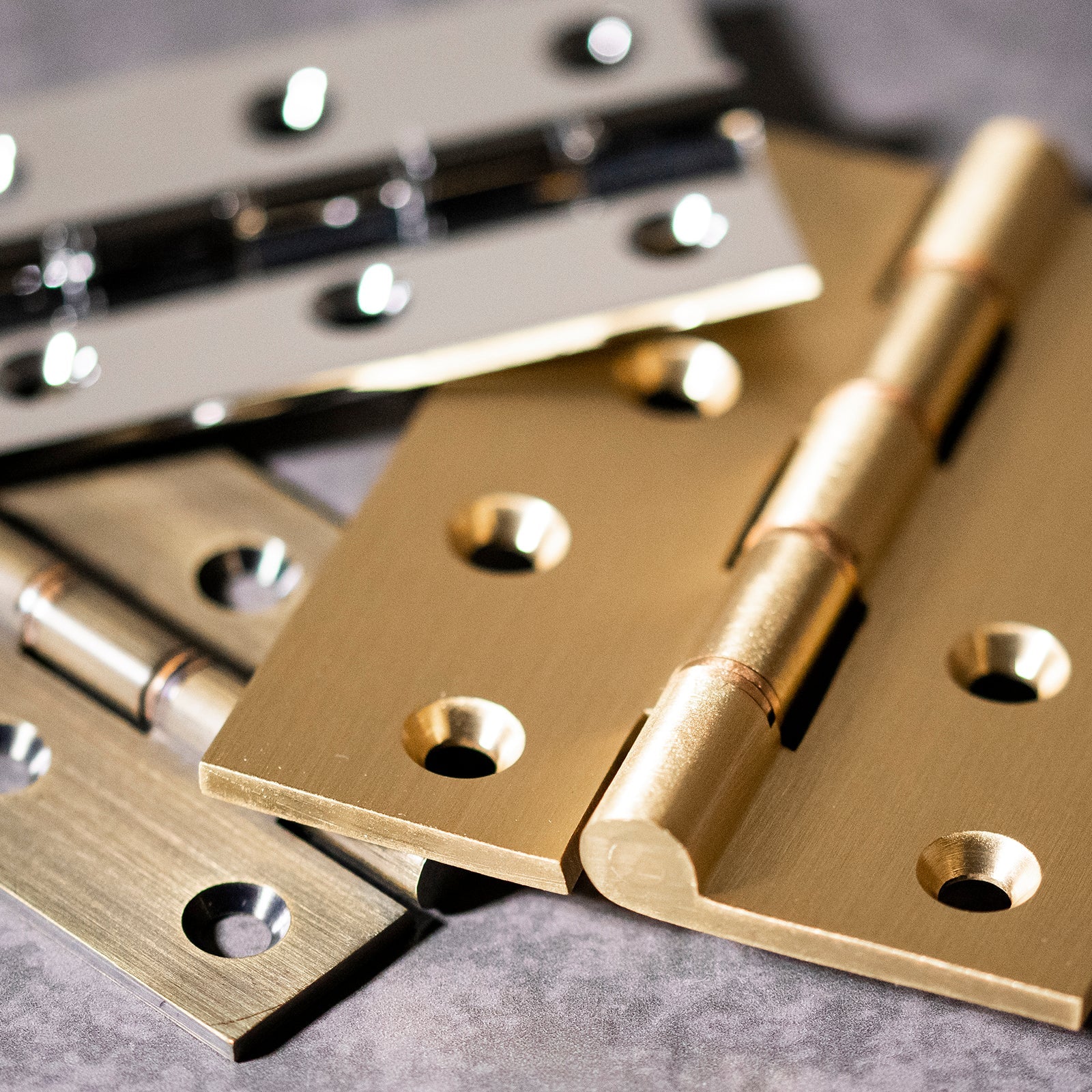
Doors, gates, cabinets, industrial enclosures, and specialized equipment all rely on hinges to operate safely and efficiently. While standard hinges work well for lightweight applications, demanding environments require stronger hardware that can withstand constant use, heavier loads, and harsh conditions. Understanding how heavy duty hinges function can help readers make informed decisions when selecting hardware for residential, commercial, or industrial projects.
The right hinge improves more than just durability. It contributes to smoother operation, better safety, lower maintenance costs, and a longer service life for the entire installation. Whether you’re installing a warehouse door, building custom furniture, or upgrading a metal gate, selecting the correct hinge from the beginning prevents unnecessary repairs and premature replacement.
Understanding Heavy Duty Hinges
Heavy duty hinges are engineered to support significantly greater weight than conventional hinges. They are commonly manufactured from durable materials such as stainless steel, carbon steel, brass, or reinforced alloys. Many are designed with thicker leaves, stronger pins, and precision bearings to reduce friction during operation.
These hinges serve a wide variety of industries, including:
- Commercial buildings
- Manufacturing facilities
- Agricultural structures
- Security doors
- Metal gates
- Industrial machinery
- Large cabinets and storage systems
- Marine and outdoor applications
Unlike decorative hinges, heavy duty models prioritize strength, stability, and long-term reliability under demanding conditions.
A properly selected hinge distributes weight evenly across the door or panel, reducing stress on the frame while maintaining smooth movement over thousands of opening and closing cycles.
How to Choose the Right Heavy Duty Hinges
Selecting the proper hinge requires evaluating several important factors rather than focusing only on appearance.
Determine the Load Capacity
The first step is calculating the total weight of the door or panel. Every hinge has a recommended load rating that should never be exceeded.
For example, a steel security door weighing 250 pounds requires a completely different hinge than a lightweight wooden interior door.
Always include additional weight from accessories such as glass panels, handles, locking systems, or insulation.
Consider the Material
Different environments demand different materials.
Stainless steel performs exceptionally well in humid, coastal, and food-processing environments because it resists corrosion.
Carbon steel offers outstanding strength for heavy industrial use but may require protective coatings.
Brass works well in decorative commercial settings where moderate strength and appearance are both important.
Evaluate the Operating Environment
Environmental conditions directly affect hinge lifespan.
Outdoor gates experience rain, dust, and temperature changes.
Industrial equipment may face vibration, chemicals, or constant movement.
Cold storage facilities expose hardware to moisture and freezing temperatures.
Selecting corrosion-resistant finishes or sealed bearings significantly improves long-term performance.
Select the Correct Bearing Type
Bearing design influences both durability and ease of operation.
Ball-bearing hinges reduce friction, making them ideal for frequently used commercial doors.
Plain bearing hinges are suitable for lighter applications with less frequent movement.
For high-cycle installations, bearing quality often matters more than appearance.
Step-by-Step Installation Strategy
Proper installation is just as important as choosing the right hinge.
Step 1: Measure Carefully
Verify the door dimensions, frame thickness, hinge spacing, and weight before purchasing hardware.
Incorrect measurements often lead to poor alignment and uneven load distribution.
Step 2: Choose the Correct Number of Hinges
Heavier doors typically require three or more hinges.
Adding an extra hinge distributes the weight more evenly and reduces stress on individual mounting points.
For oversized industrial doors, engineers often specify four or more hinges depending on weight and height.
Step 3: Use Proper Fasteners
High-strength hinges deserve equally strong mounting hardware.
Always use screws or bolts recommended for the hinge material and the mounting surface.
Weak fasteners frequently become the first point of failure rather than the hinge itself.
Step 4: Verify Alignment
After installation, check that the door swings freely without binding or dragging.
Even minor misalignment creates uneven wear that shortens hinge life.
Step 5: Perform Routine Maintenance
Inspect hinges periodically for loose fasteners, corrosion, unusual wear, or lack of lubrication.
Simple maintenance extends service life while preventing unexpected failures.
Real-World Example
A distribution warehouse replaced standard hinges on its loading-area access doors with stainless steel heavy duty hinges featuring ball bearings.
Previously, the doors required adjustment every few months because of sagging.
After upgrading to properly rated hinges, maintenance calls decreased substantially, and the doors continued operating smoothly despite frequent daily use.
This example demonstrates that selecting hardware based on actual operating conditions delivers measurable long-term benefits.
Common Mistakes When Selecting Heavy Duty Hinges
Many installation problems result from avoidable mistakes.
One common error is underestimating door weight. Builders sometimes calculate only the main panel while overlooking added hardware and insulation.
Another mistake involves choosing hinges based solely on dimensions rather than load ratings. Two hinges may appear identical while supporting very different weight capacities.
Improper installation also causes premature failure. Misaligned hinges increase friction, making doors harder to open while placing unnecessary stress on mounting points.
Using indoor-rated hinges outdoors creates corrosion issues that weaken structural integrity over time.
Finally, many property owners neglect routine inspections. Loose fasteners, worn bearings, and surface corrosion are easier and less expensive to address before they become serious problems.
Practical Tips From Industry Experience
Professionals who regularly install commercial and industrial doors follow several best practices that improve reliability.
Always match hinge specifications with the manufacturer’s recommended load capacity instead of estimating.
Choose corrosion-resistant materials whenever moisture is present, even if initial costs are slightly higher.
Invest in ball-bearing hinges for entrances that experience continuous daily traffic, such as schools, hospitals, warehouses, and office buildings.
Keep spare hinges and matching fasteners available for facilities where downtime affects operations.
When replacing existing hardware, inspect the surrounding frame for cracks, warping, or structural damage. Installing new hinges on a weakened frame rarely solves the underlying problem.
Document maintenance schedules for high-use doors. Regular inspections help identify wear before it affects safety or performance.
Finally, prioritize quality over price. Lower-cost hardware may seem attractive initially, but premature replacement often results in higher lifetime expenses.
Conclusion
Heavy duty hinges play a critical role in supporting large doors, gates, cabinets, and industrial equipment. Selecting the proper material, load capacity, bearing type, and installation method ensures smooth operation while minimizing maintenance and extending service life. By carefully evaluating environmental conditions, using quality mounting hardware, and performing routine inspections, property owners and contractors can achieve dependable performance for years. A thoughtful hinge selection today prevents costly repairs tomorrow and contributes to safer, more reliable operation in every application.


 Freya Parker
 JR's Houston Gutters, Sidings and Roofing